
Lubricant Technology
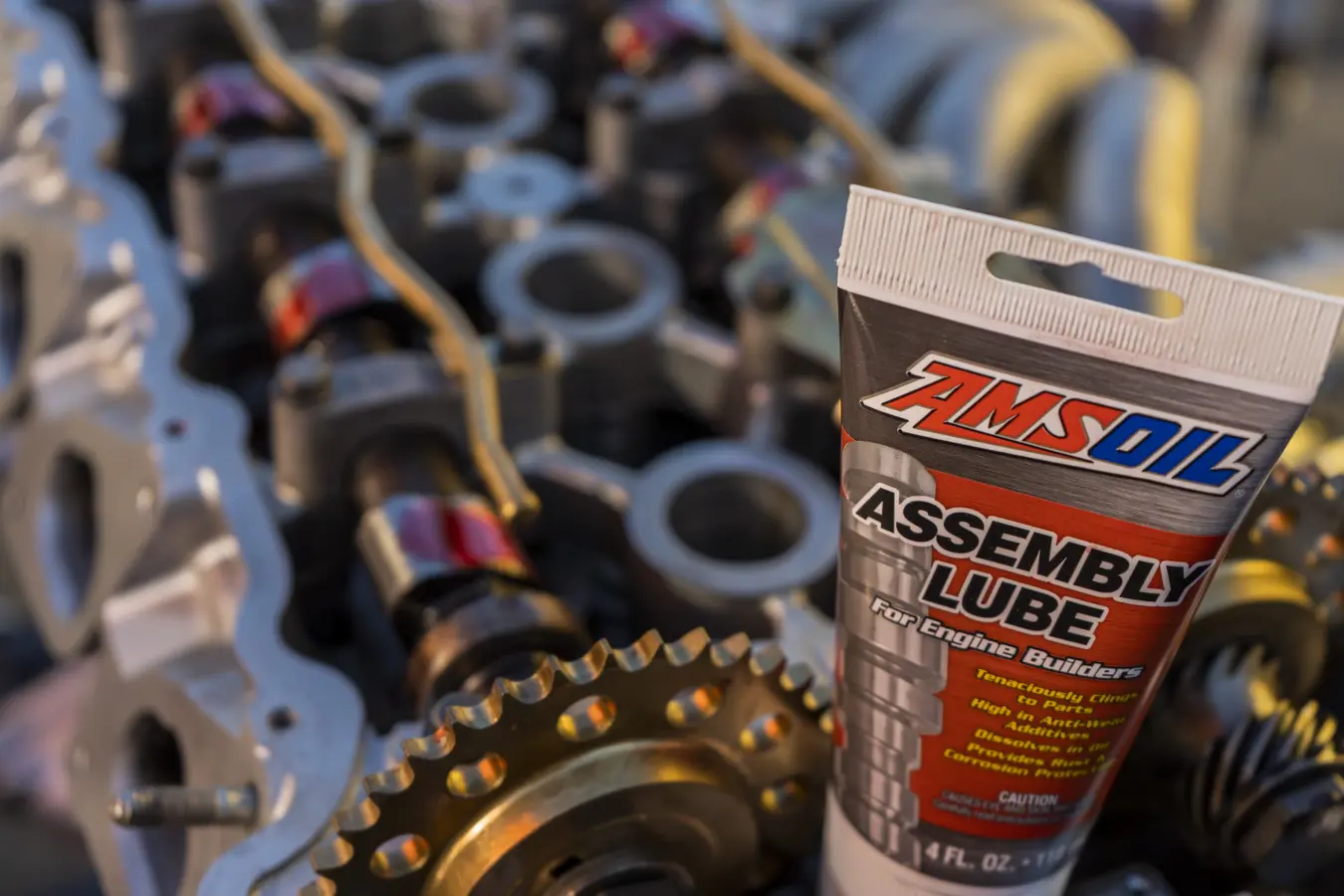
Why Use Assembly Lube?
Why engine builders use assembly lube instead of ordinary motor oil or grease to protect critical components during assembly and first start.
AMSOIL Knowledge Centre
Explore lubricant technology, product information, industry standards, application advice and updates from AMSOIL Australia. Whether you are choosing the correct oil specification, comparing lubricant types or looking for the latest product news, the AMSOIL Knowledge Centre brings together practical information in one place.
What do engine oil additives actually do?
Base oil is only the beginning. Explore the detergents, dispersants, anti-wear agents, antioxidants and other chemistry that turn base oil into a finished engine lubricant.
Lubricant Technology
Why engine builders use assembly lube instead of ordinary motor oil or grease to protect critical components during assembly and first start.
Additives
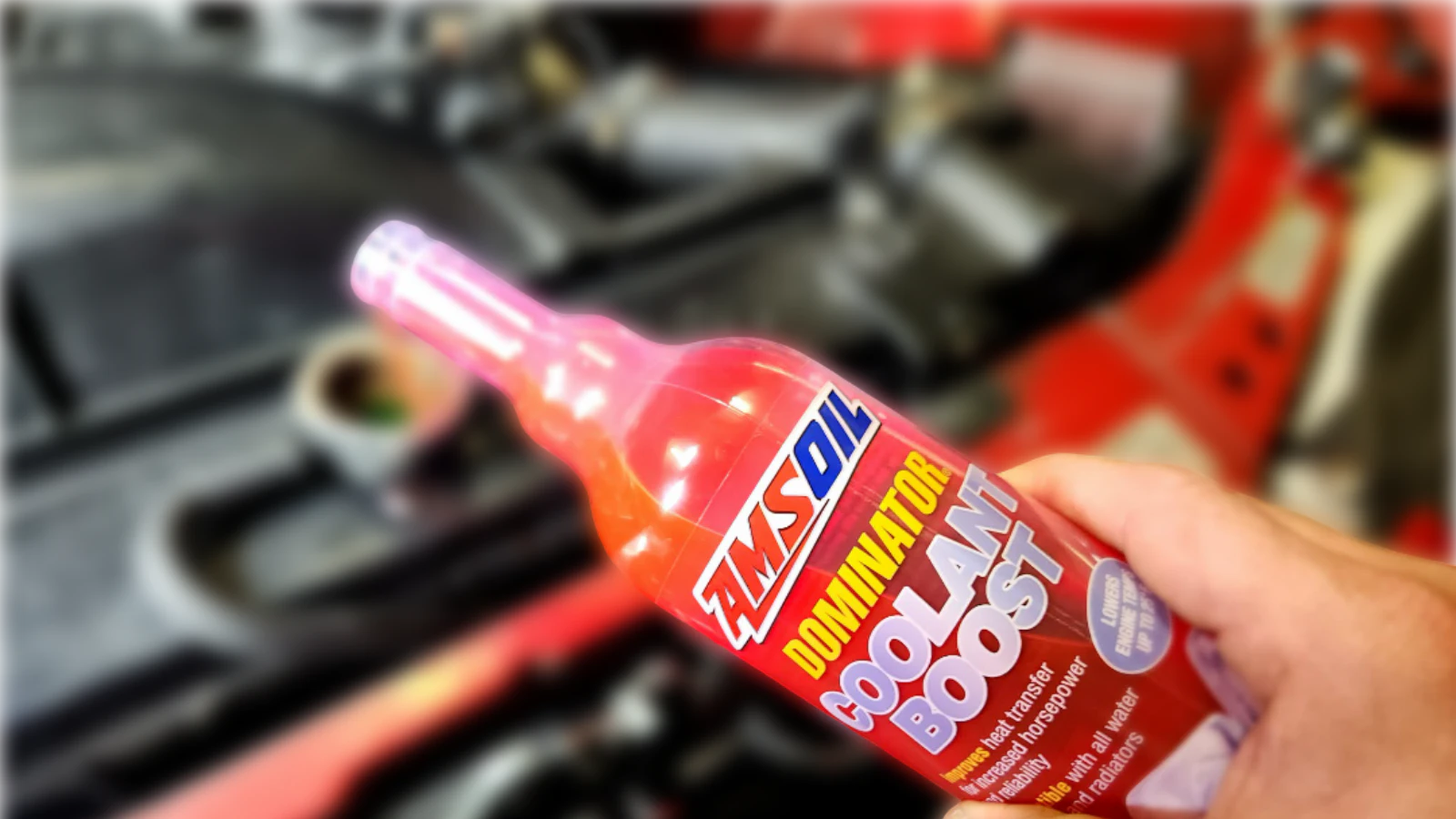
How can a coolant additive help an engine warm up faster and run cooler? Learn how AMSOIL DOMINATOR Coolant Boost uses surfactant technology to improve heat transfer and cooling-system performance.
Engine Oil
What allows some synthetic oils to safely remain in service longer? Learn what causes engine oil to degrade and how AMSOIL validates extended drain intervals.

Engine Oil
Is 0W-20 really too thin? Learn how oil viscosity, engine load, temperature and bearing speed interact - and why thicker oil isn't automatically better.
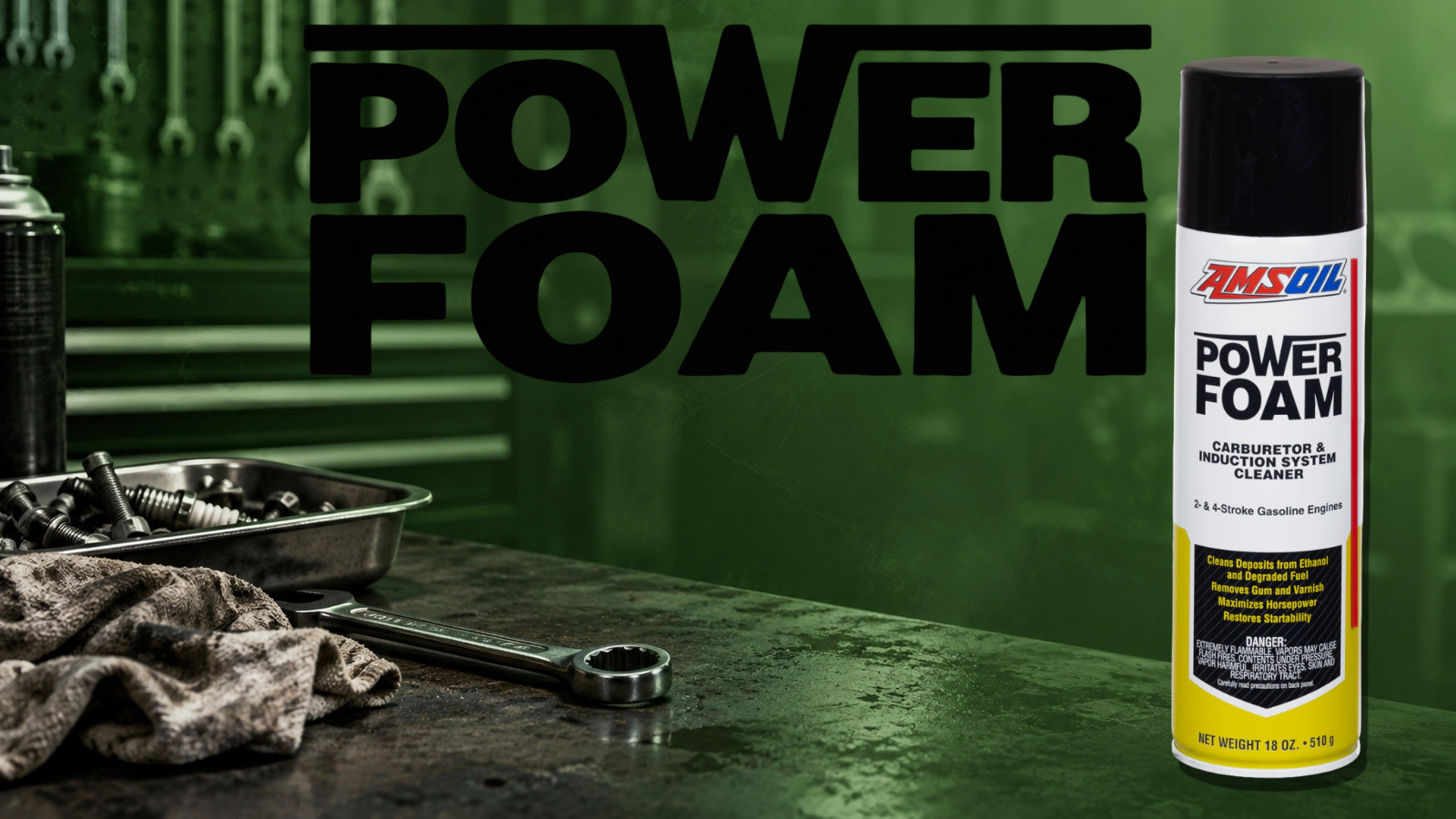
Maintenance
AMSOIL Power Foam removes stubborn carbon, gum and varnish from petrol engines. Learn how it is used in carburettors, induction systems and engine rebuilds.
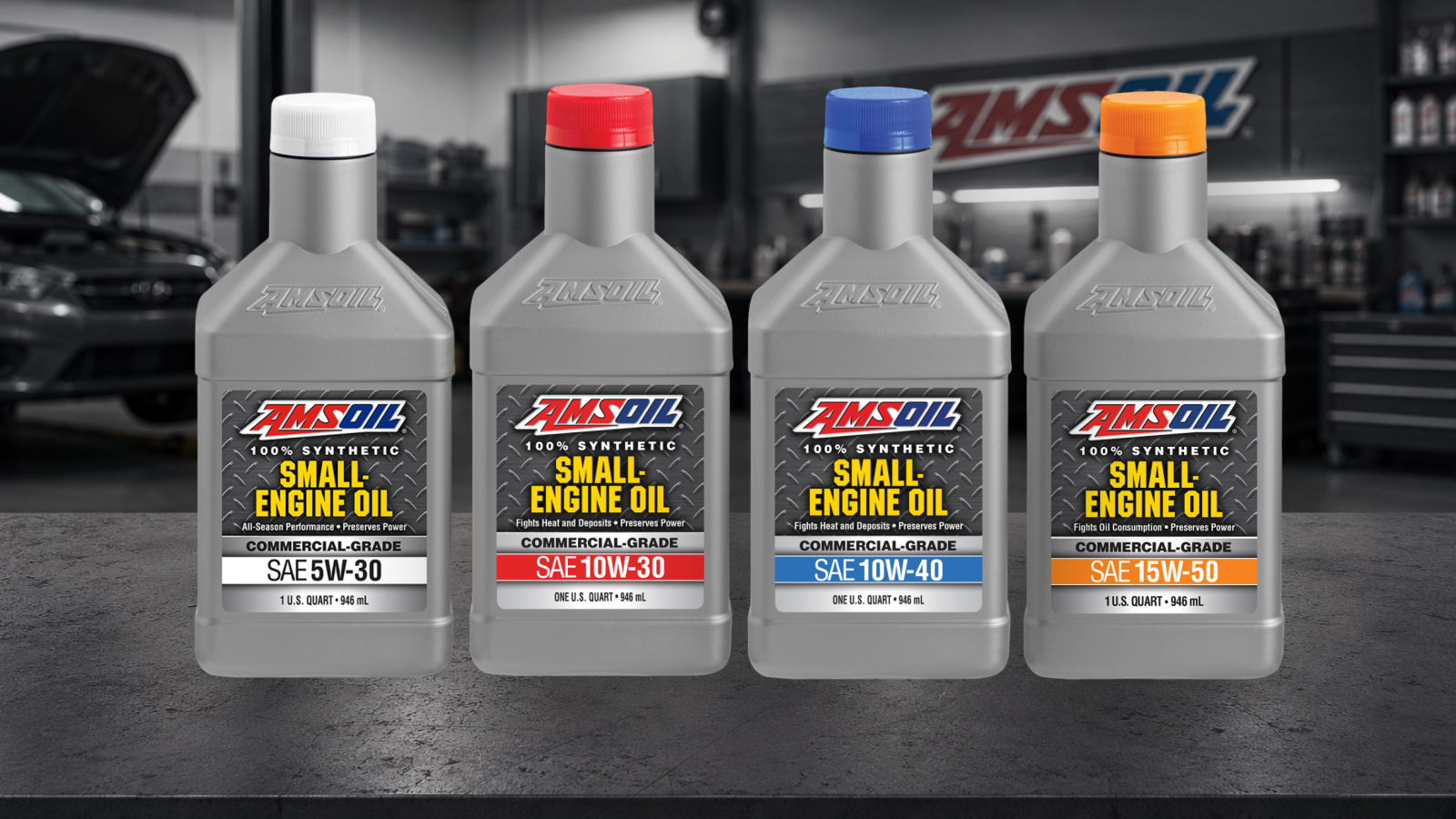
Small Engine
Small engines can place surprisingly high demands on engine oil. Learn what counts as a small engine, why operating conditions differ from automotive engines and why the correct oil matters.
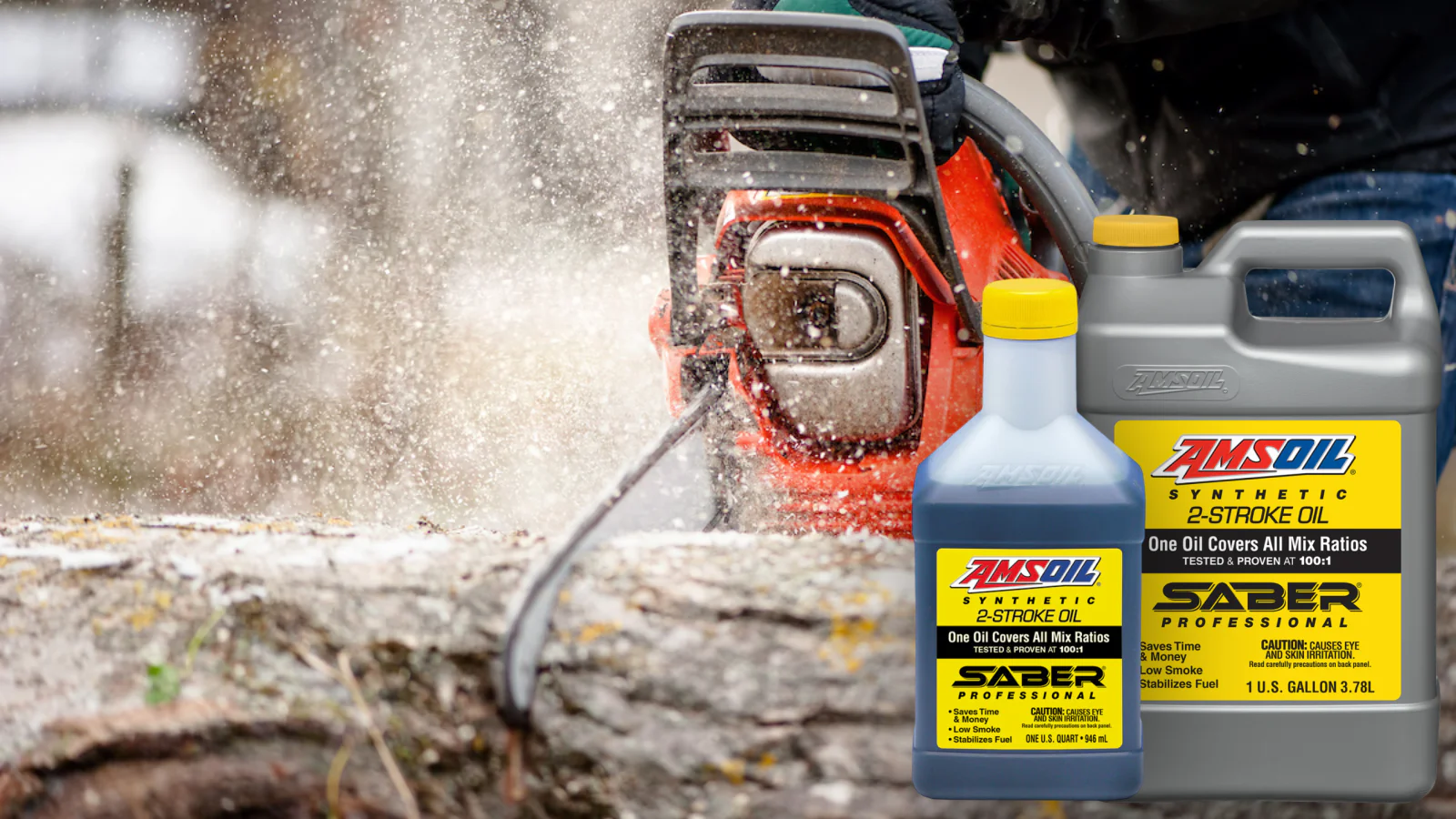
Small Engine
AMSOIL SABER Professional can be mixed at ratios up to 100:1 in suitable two-stroke equipment. Learn how it works and why more oil isn't automatically better.

Lubricant Technology
Learn how the five base oil groups work, the difference between Group III and Group IV (PAO) base oils, and why base oil type alone doesn't determine lubricant quality.
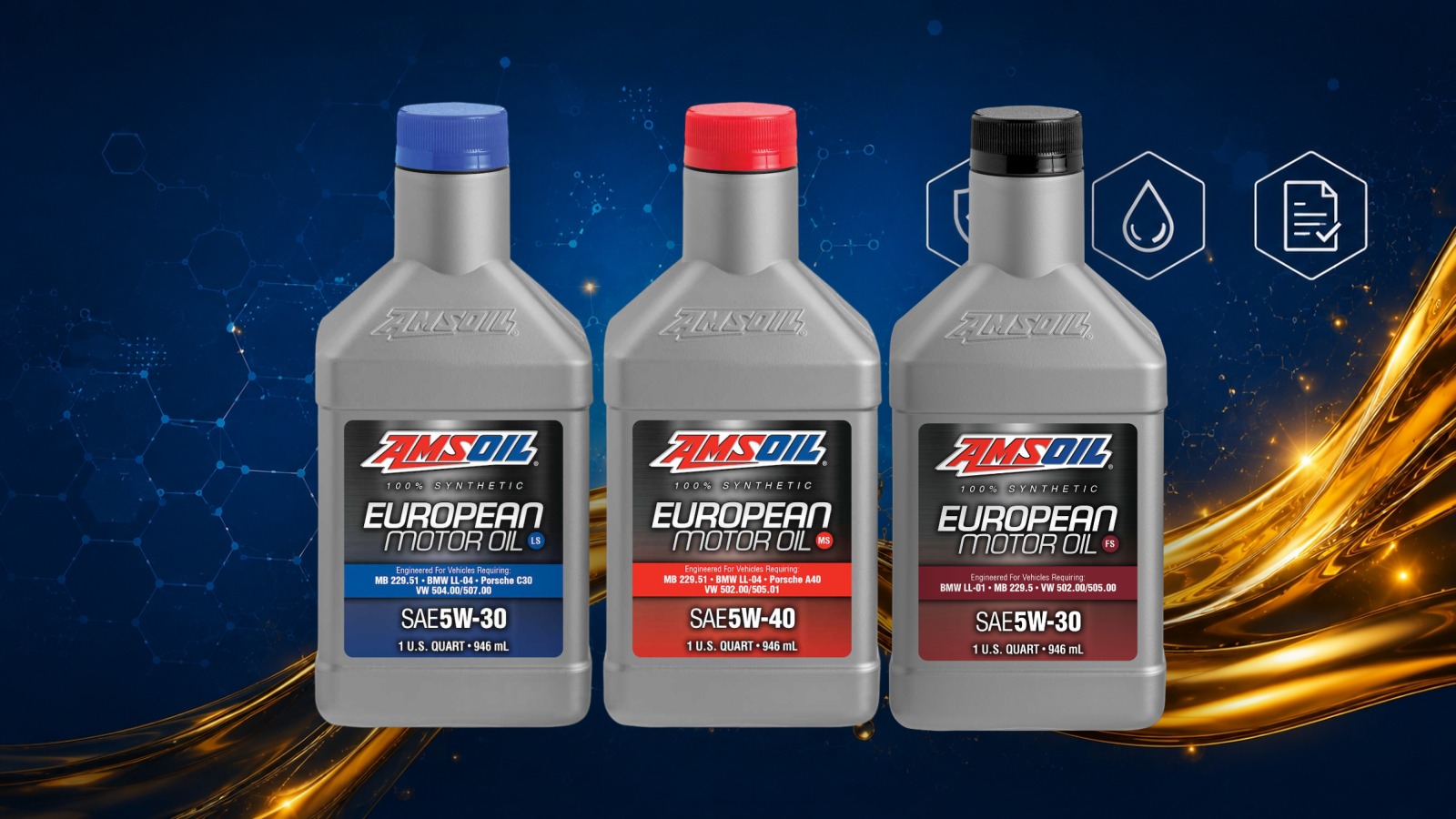
Lubricant Technology
Learn what sulphated ash, phosphorus and sulphur (SAPS) are, why they are found in engine oil and why modern emissions systems require careful control of them.
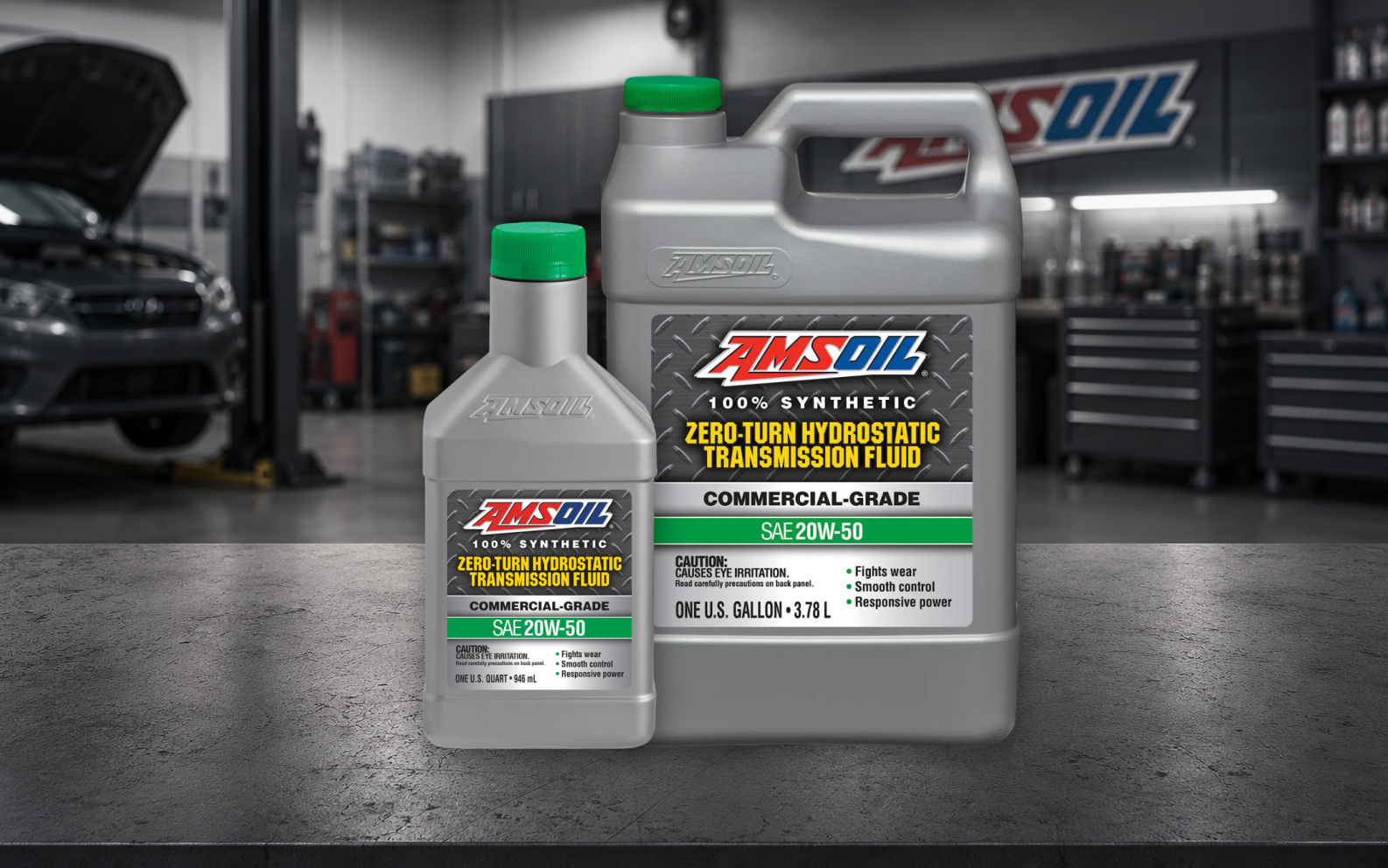
Driveline
Learn why zero-turn hydrostatic transmissions place unique demands on their oil, and why heat, shear, viscosity and wear protection are critical to smooth, responsive operation.
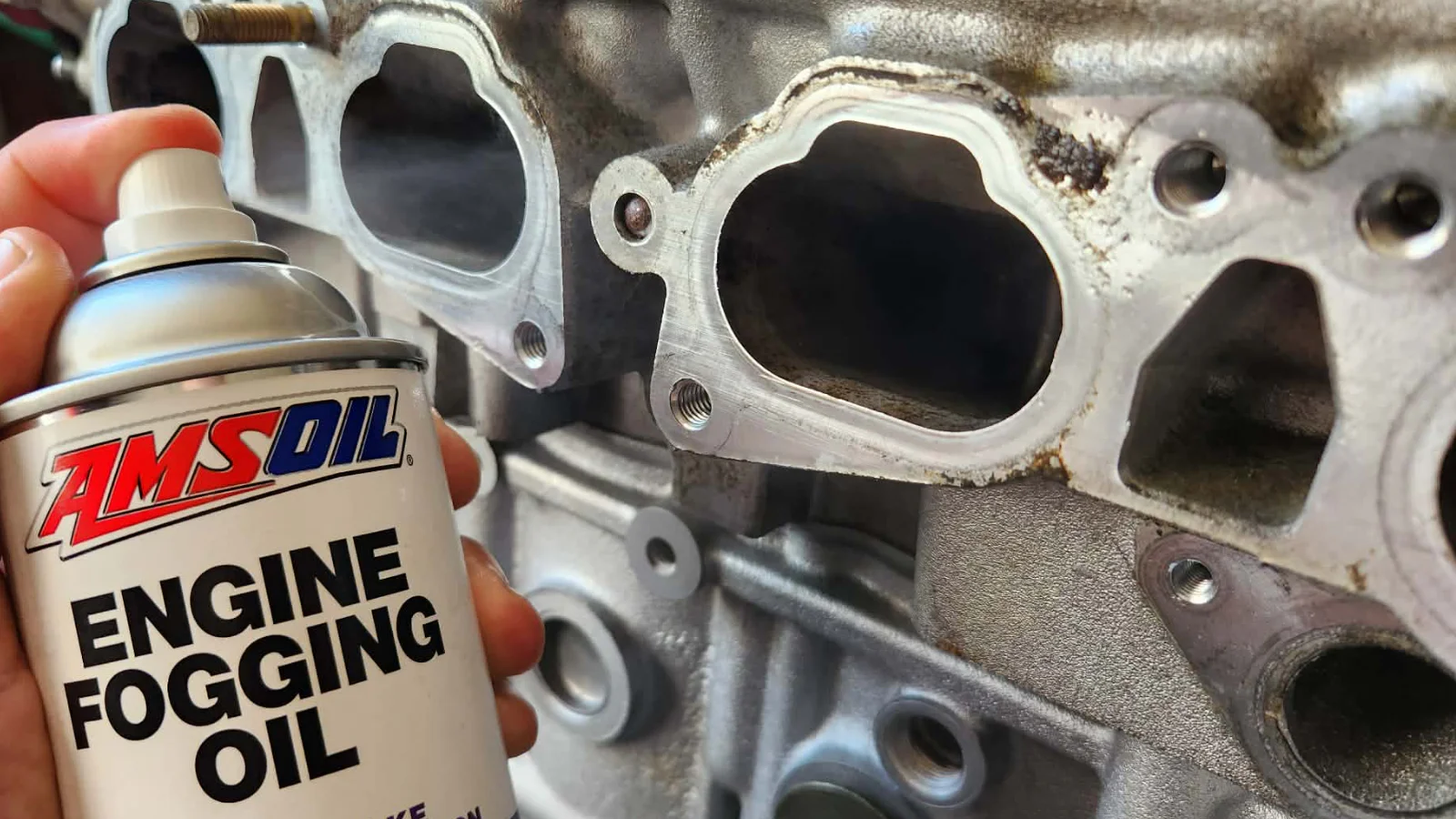
Maintenance
Learn how AMSOIL Engine Fogging Oil helps protect stored engines from corrosion and dry starts, plus its lesser-known uses for engine builds and workshop machinery.
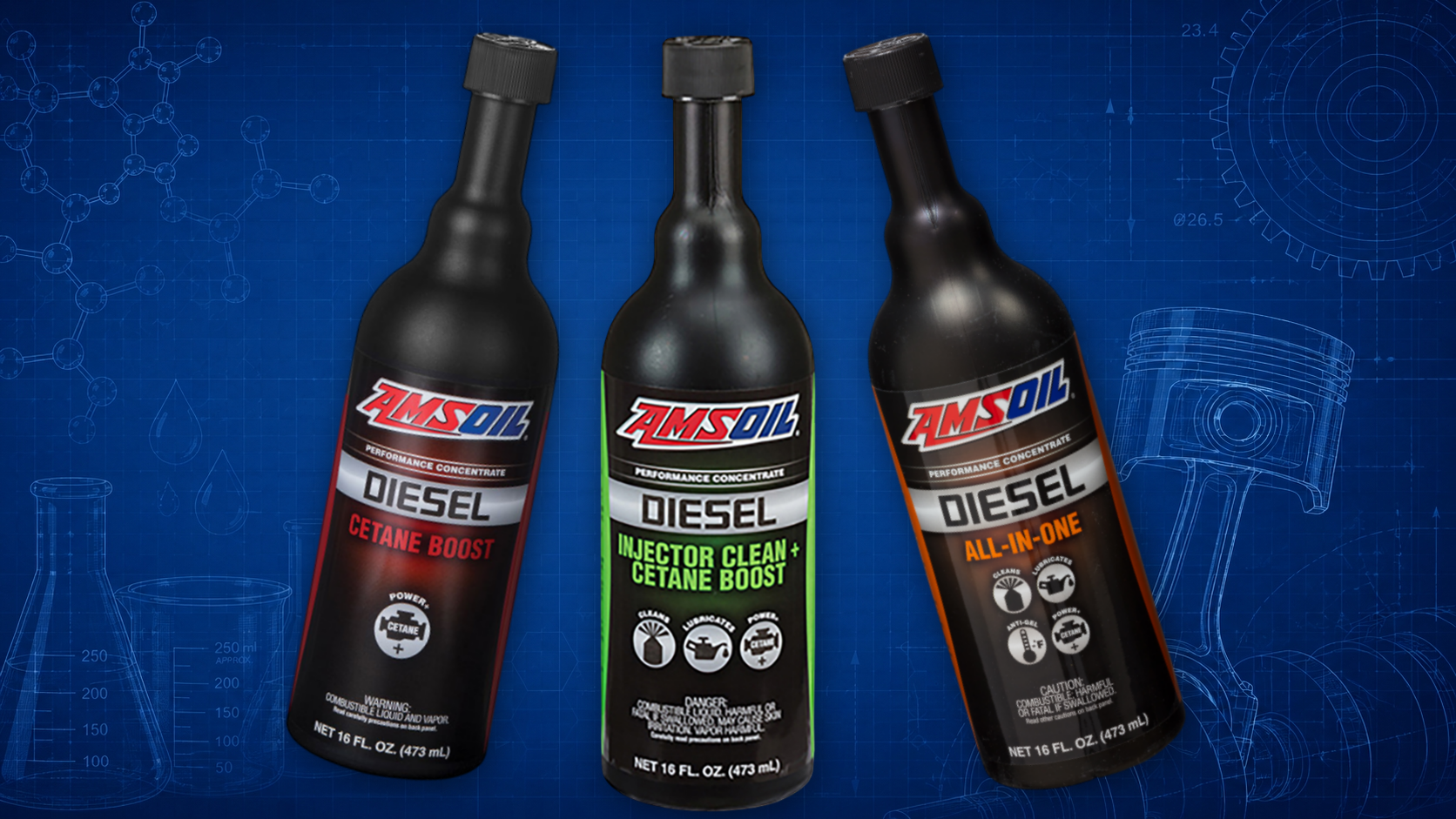
Diesel
Learn what cetane number means, how it differs from octane and why improving diesel fuel ignition quality can help starting, smoothness and combustion.
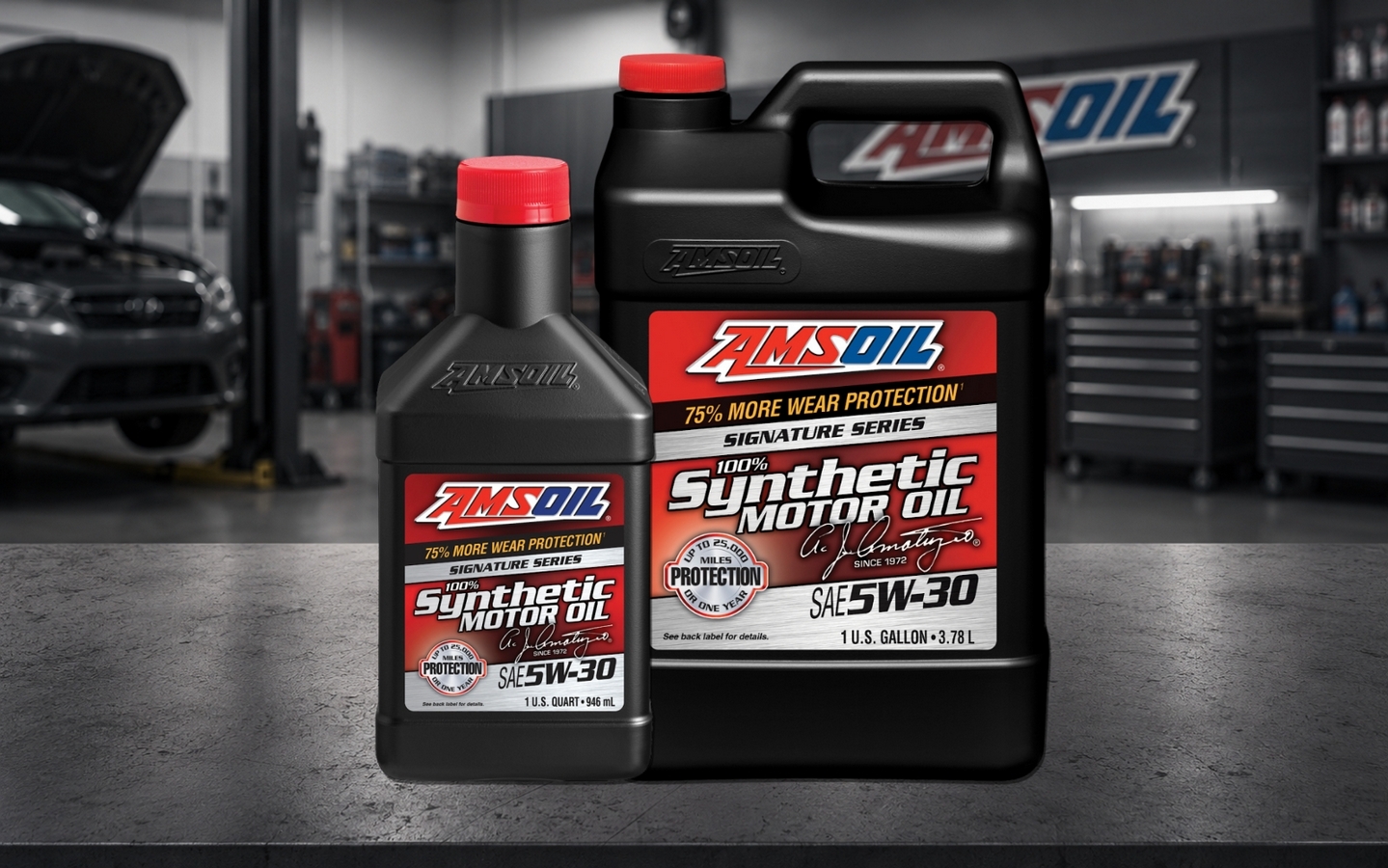
Lubricant Technology
AMSOIL put Signature Series Synthetic Motor Oil through an extended Sequence IIIH engine test lasting twice the normal test duration. See what the results mean.
Driveline
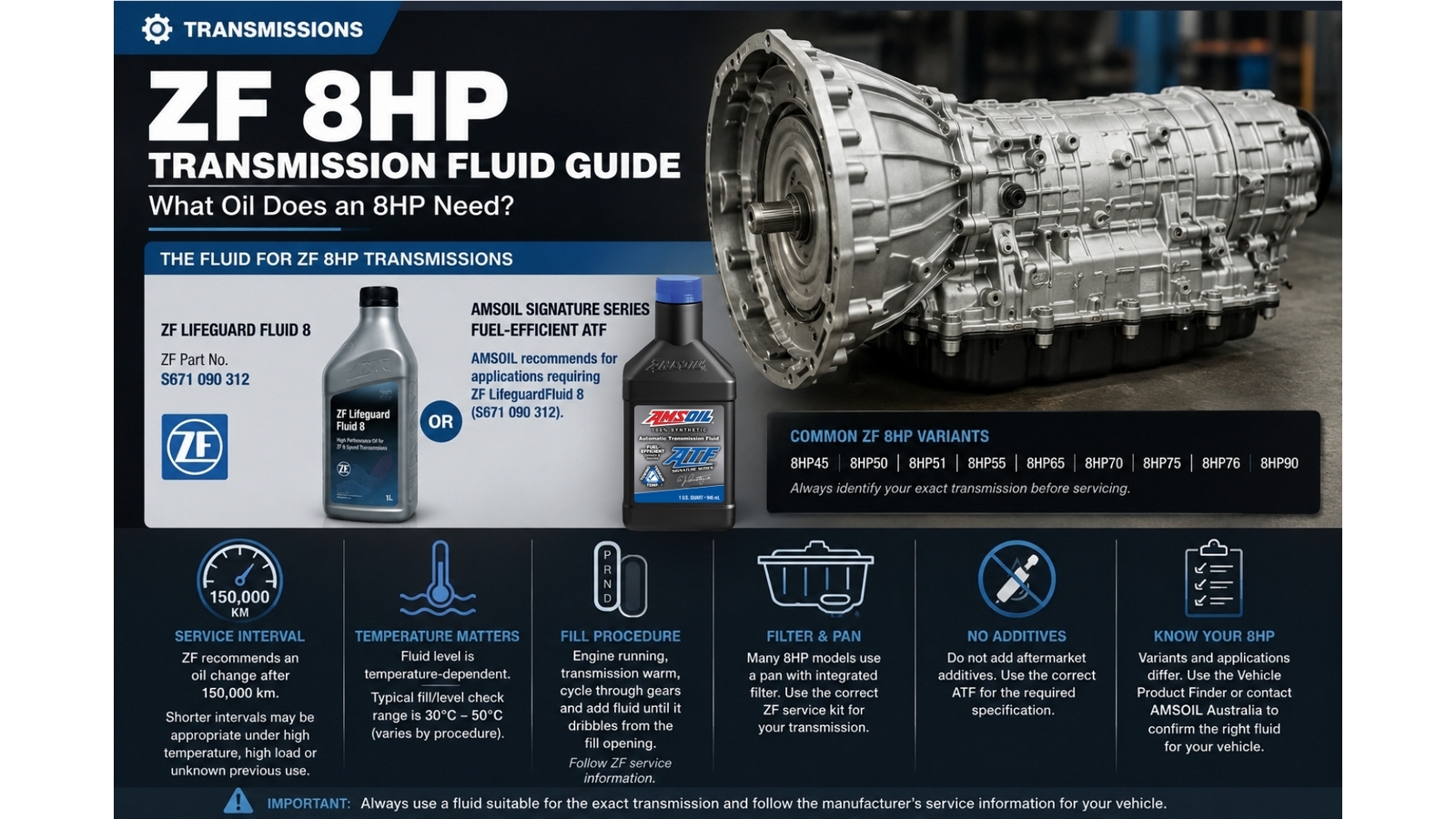
What transmission fluid does a ZF 8HP use? Learn about ZF LifeguardFluid 8, AMSOIL alternatives, servicing, fluid levels and 8HP transmission swaps.
Oil Standards
Learn the difference between JASO MA, MA2 and MB motorcycle oil standards, including wet-clutch compatibility and how to choose the correct oil for your motorcycle.
Lubricant Technology
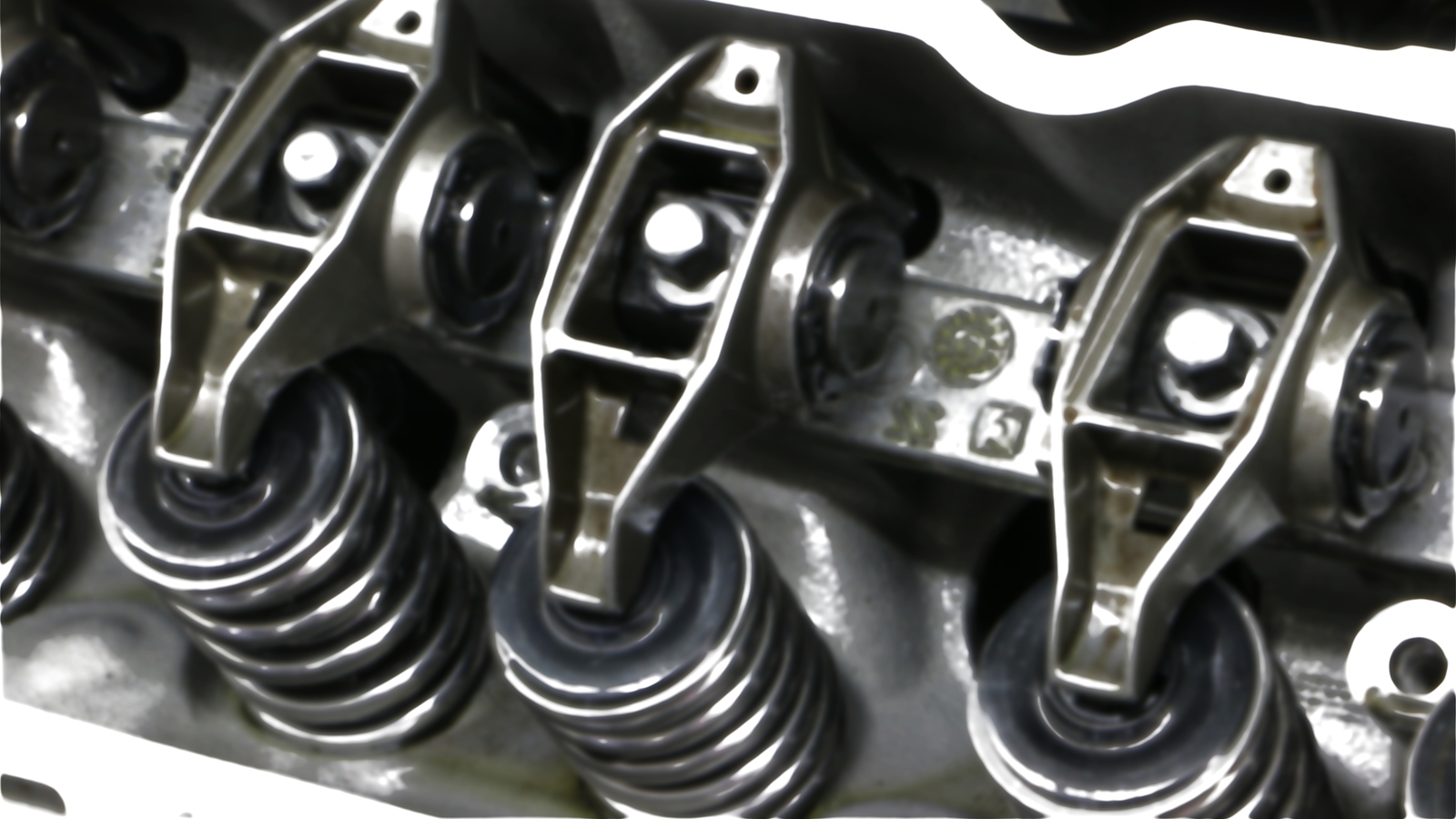
Learn what ZDDP is, why high-zinc motor oil matters for flat-tappet and classic engines, and when a high-zinc oil is — and isn't — the right choice.
Lubricant Technology
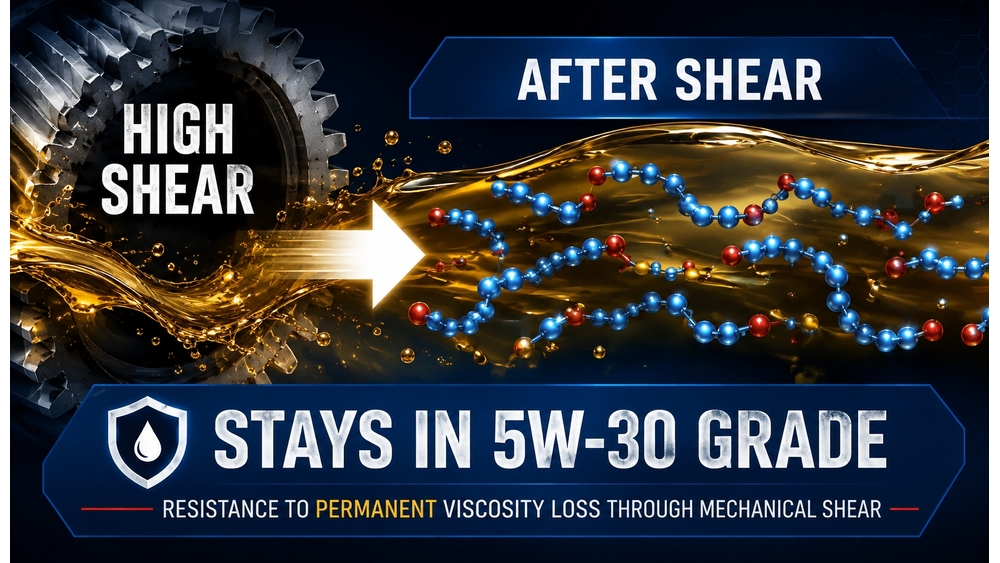
Learn what “stay-in-grade” means, how engine oil can lose viscosity through mechanical shear and why shear stability is an important requirement of ACEA oil classifications.
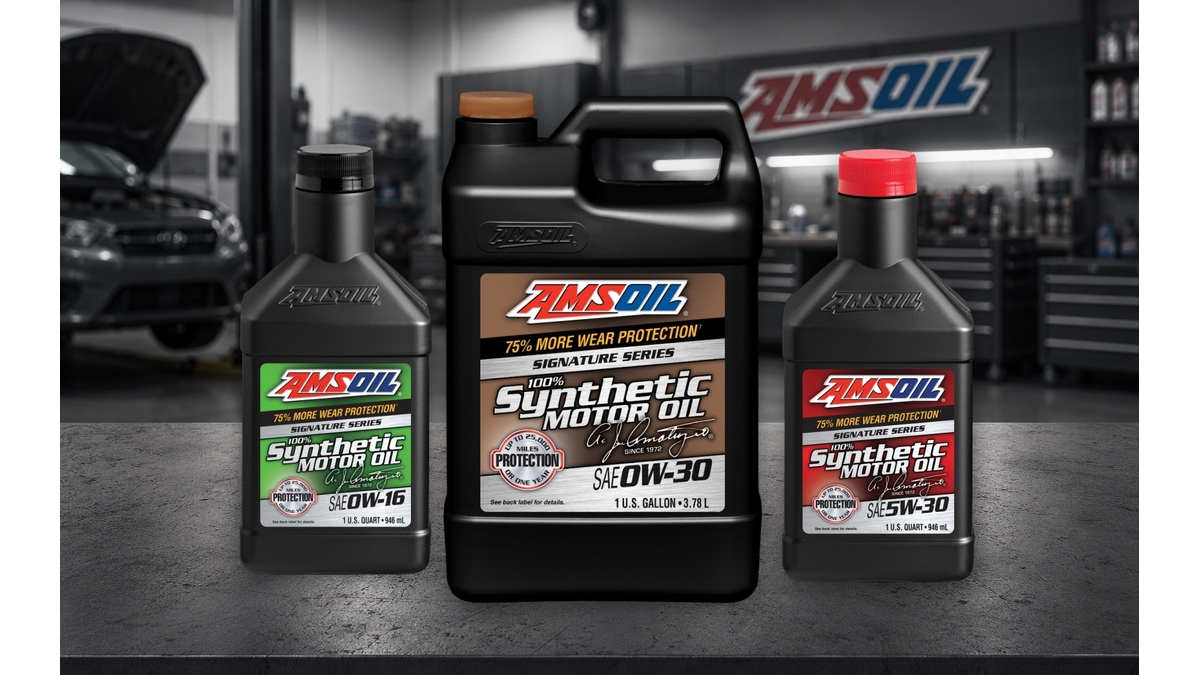
Engine Oil
Discover what sets AMSOIL Signature Series apart and how its advanced synthetic formulation provides exceptional protection for demanding engines.
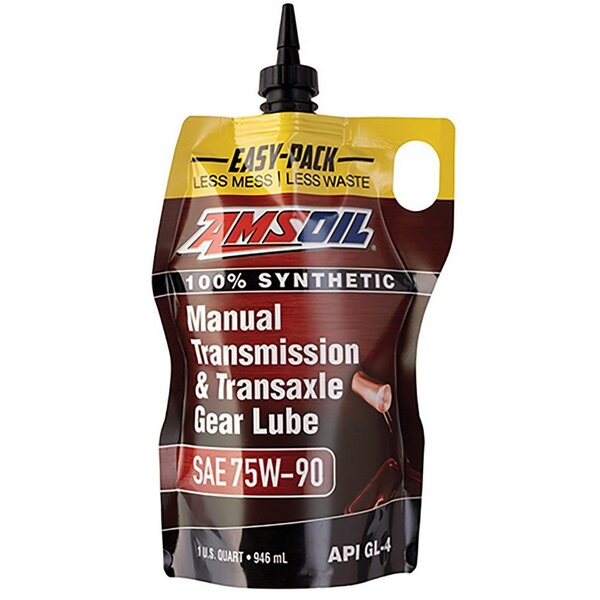
Oil Standards
GL-4 and GL-5 are not simply lower and higher grades of gear oil. Learn why the correct API gear oil specification matters for manual transmissions, synchros and differentials.
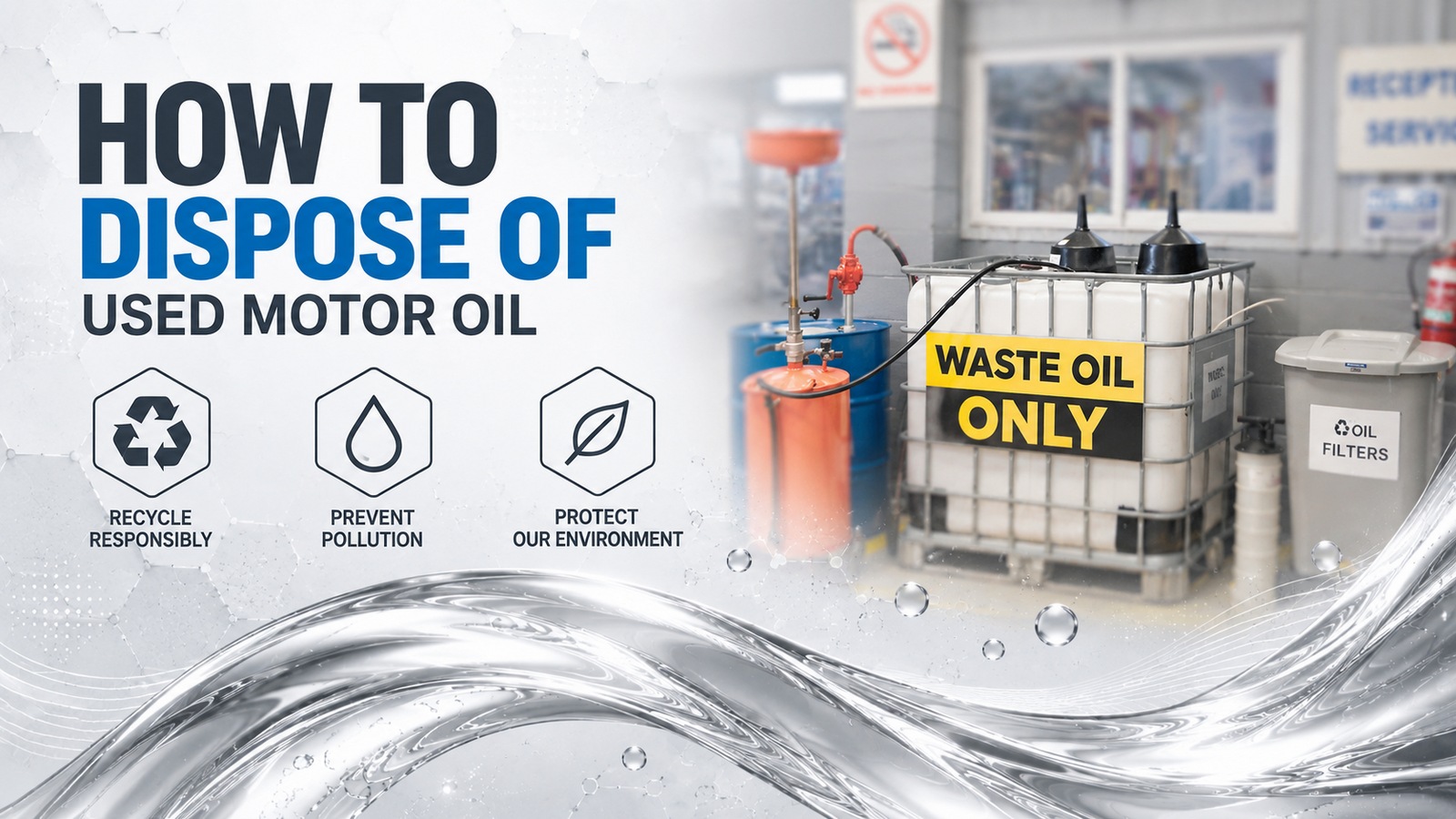
Engine Oil
Changed your own engine oil? Learn how to safely store, recycle and dispose of used engine oil, oil filters and containers in Australia.


Lubricant Technology
Learn how motor oil is tested for viscosity, wear protection, cold-temperature performance and more, and what common ASTM test results actually mean.
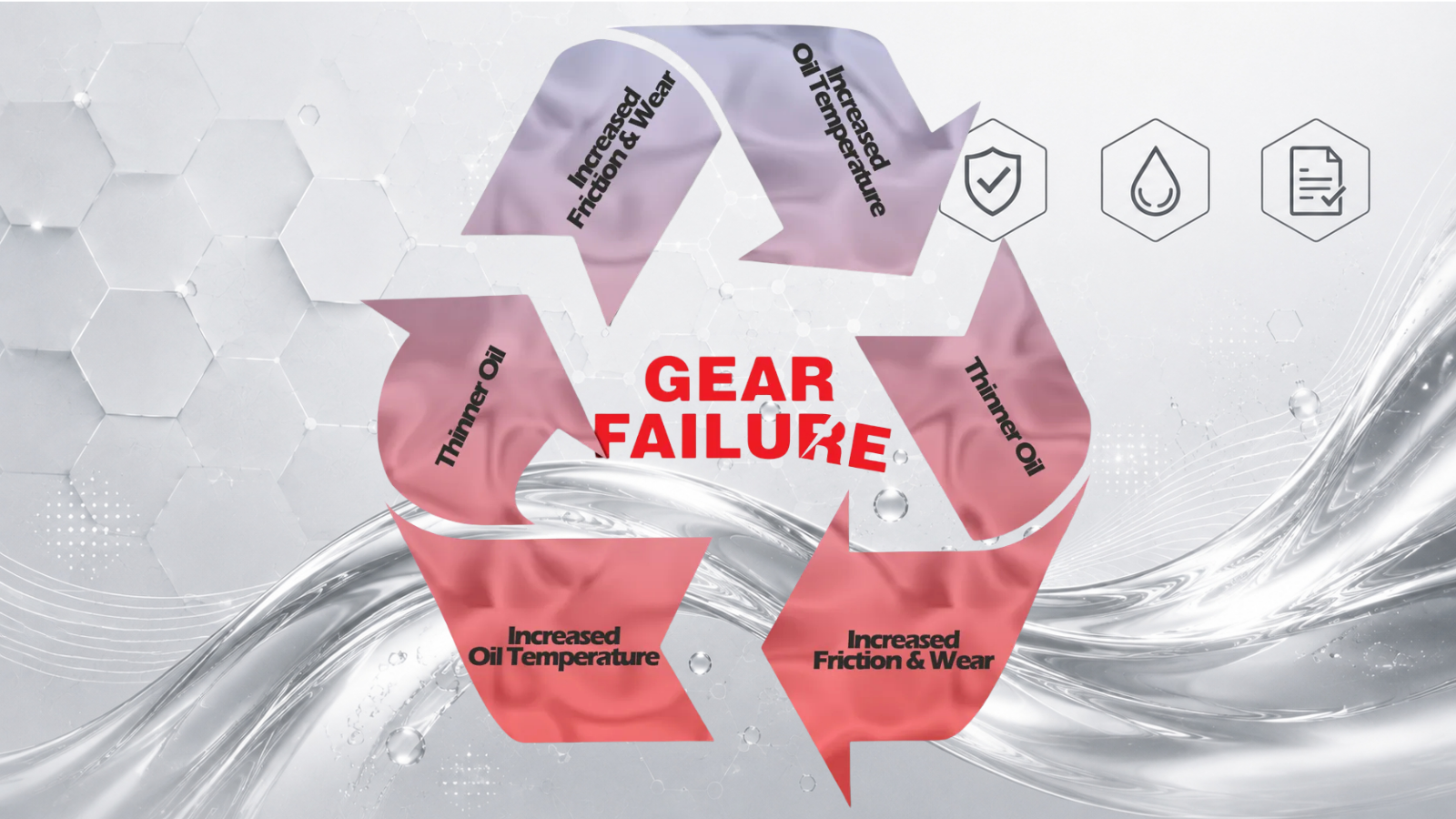
Driveline
How often should differential oil be changed? Learn how towing, off-road driving, water contamination, heat and severe service can affect differential oil change intervals.
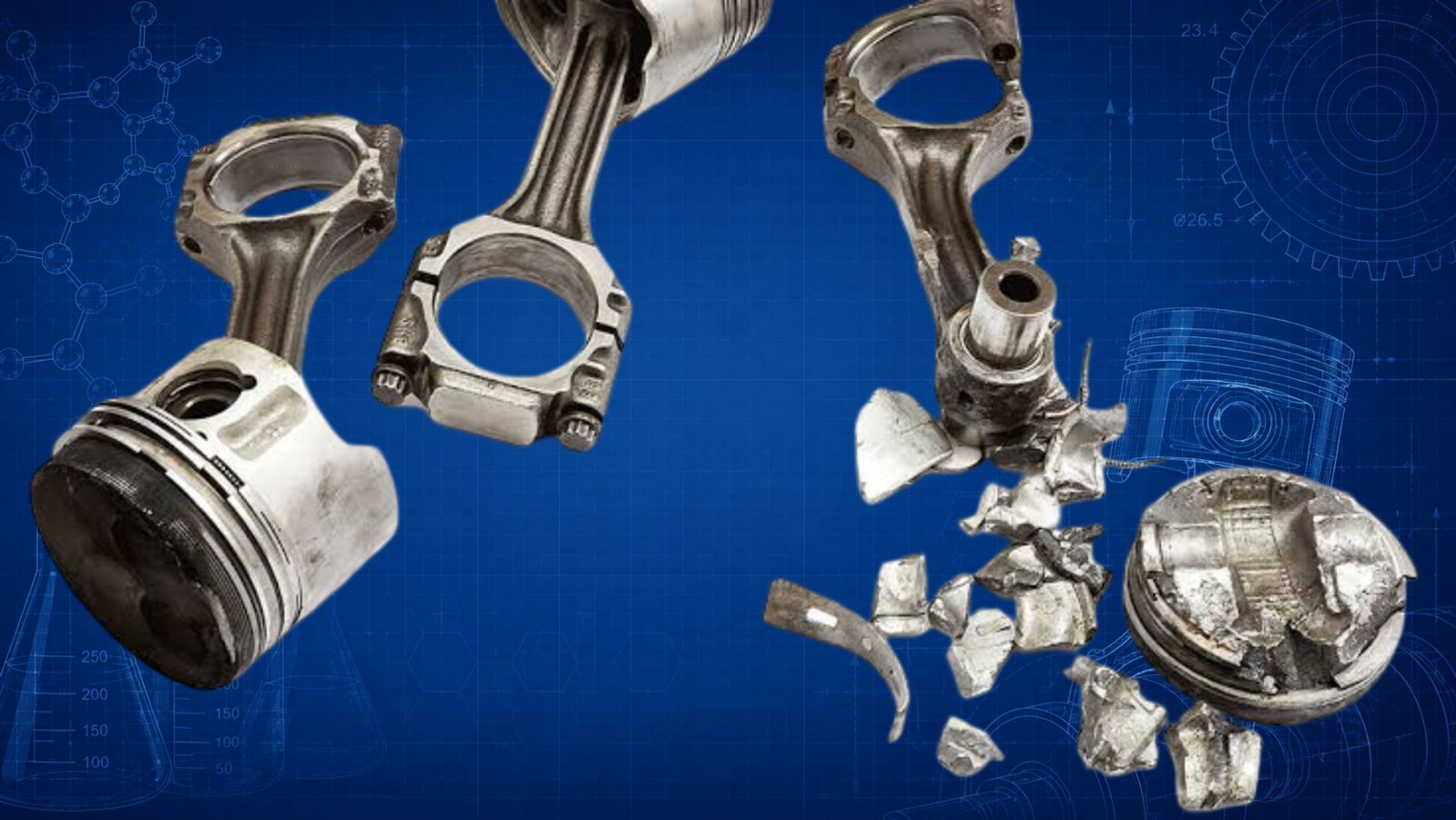
Fuel & Combustion
Learn what low-speed pre-ignition (LSPI) is, why it can occur in turbocharged direct-injection petrol engines and how modern engine oils are designed to help protect against it.
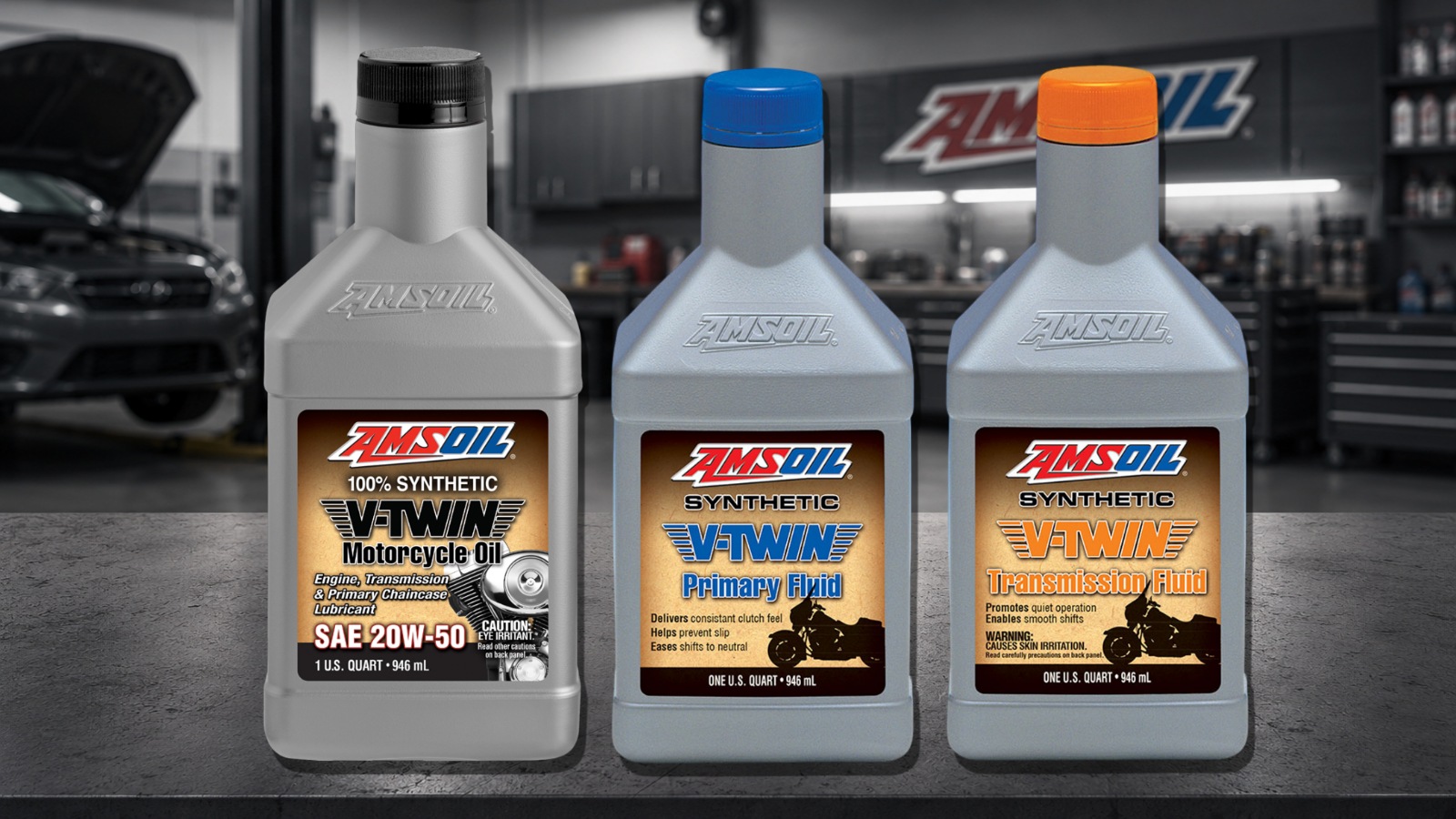
Motorcycle
Learn the difference between motorcycle engine oil, primary fluid and transmission fluid, and why some motorcycles use one lubricant while others require separate fluids.
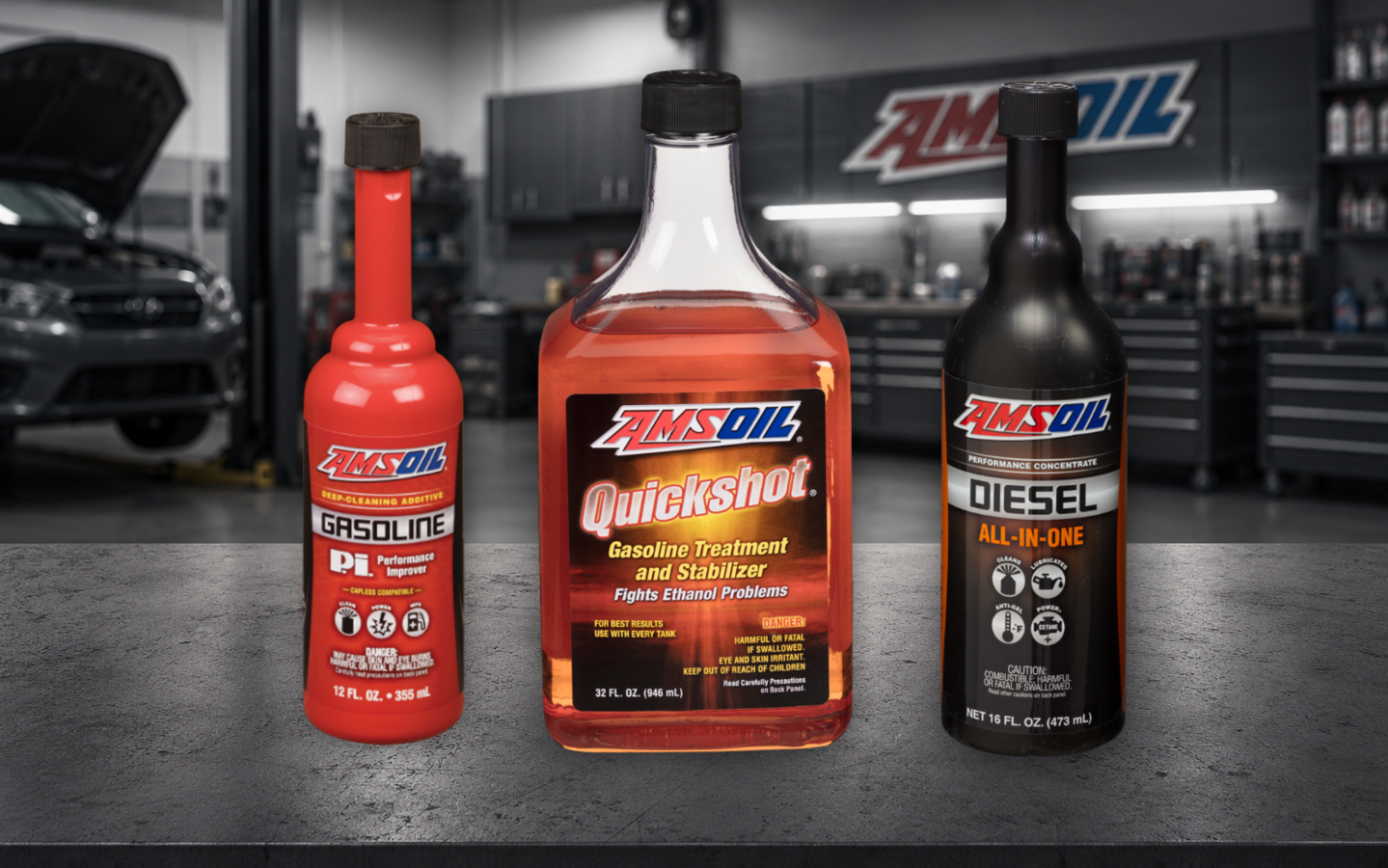
Additives
Learn the differences between AMSOIL petrol and diesel fuel additives and find the right product for cleaning, lubrication, cetane, octane and ongoing fuel-system maintenance.
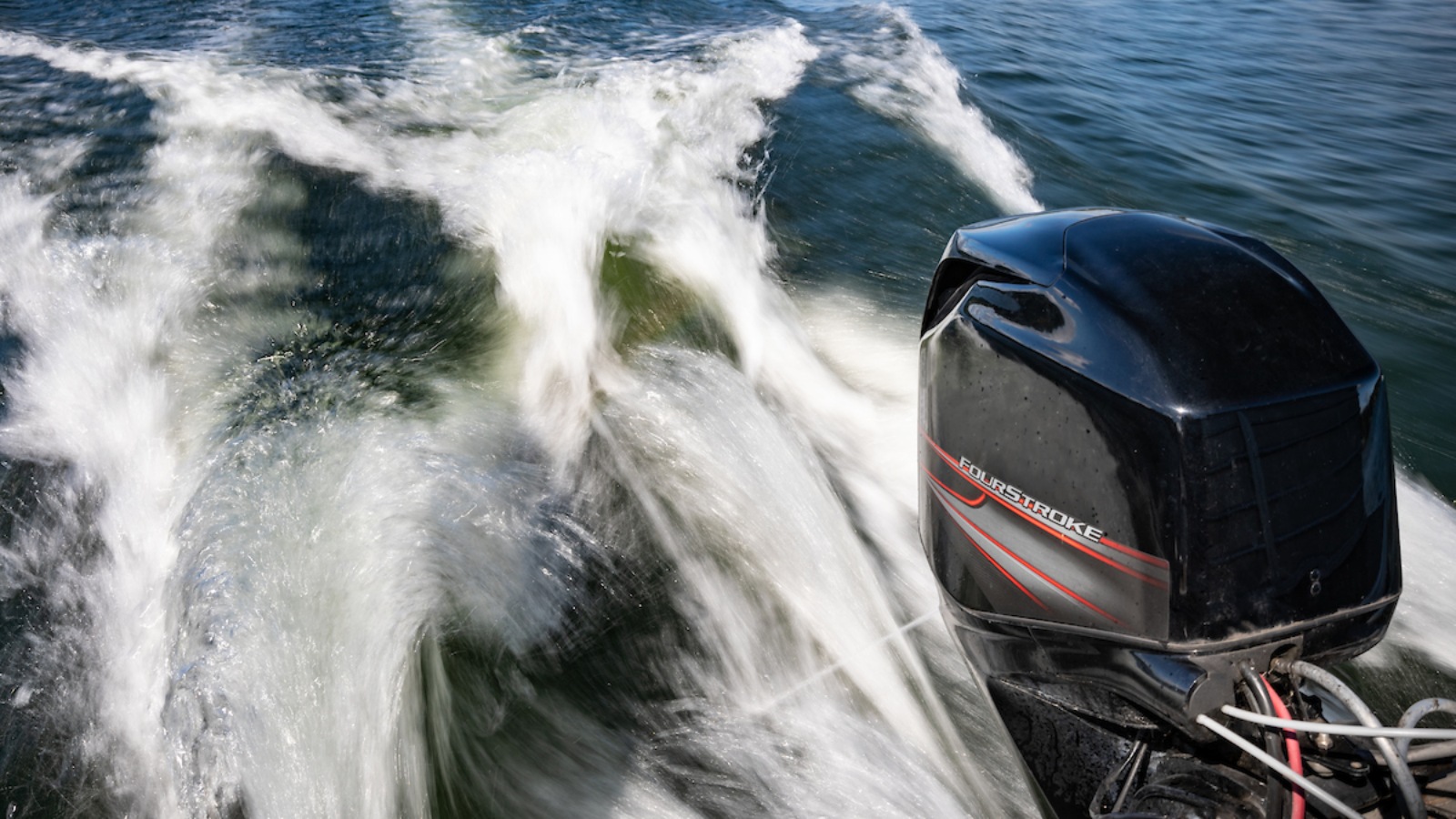
Marine
Learn why marine lower-unit gear oil needs regular servicing, how water contamination damages gears and bearings, and what to look for when draining the oil.
Small Engine
Lawn mower won't start? Learn how stale fuel, carburettor deposits, spark plugs, air filters and incorrect oil levels can cause small-engine starting problems.

Engine Oil
There is no single oil-change interval that applies to every synthetic engine oil. Learn how vehicle requirements, driving conditions and oil formulation determine when your oil should be changed.
Lubricant Technology
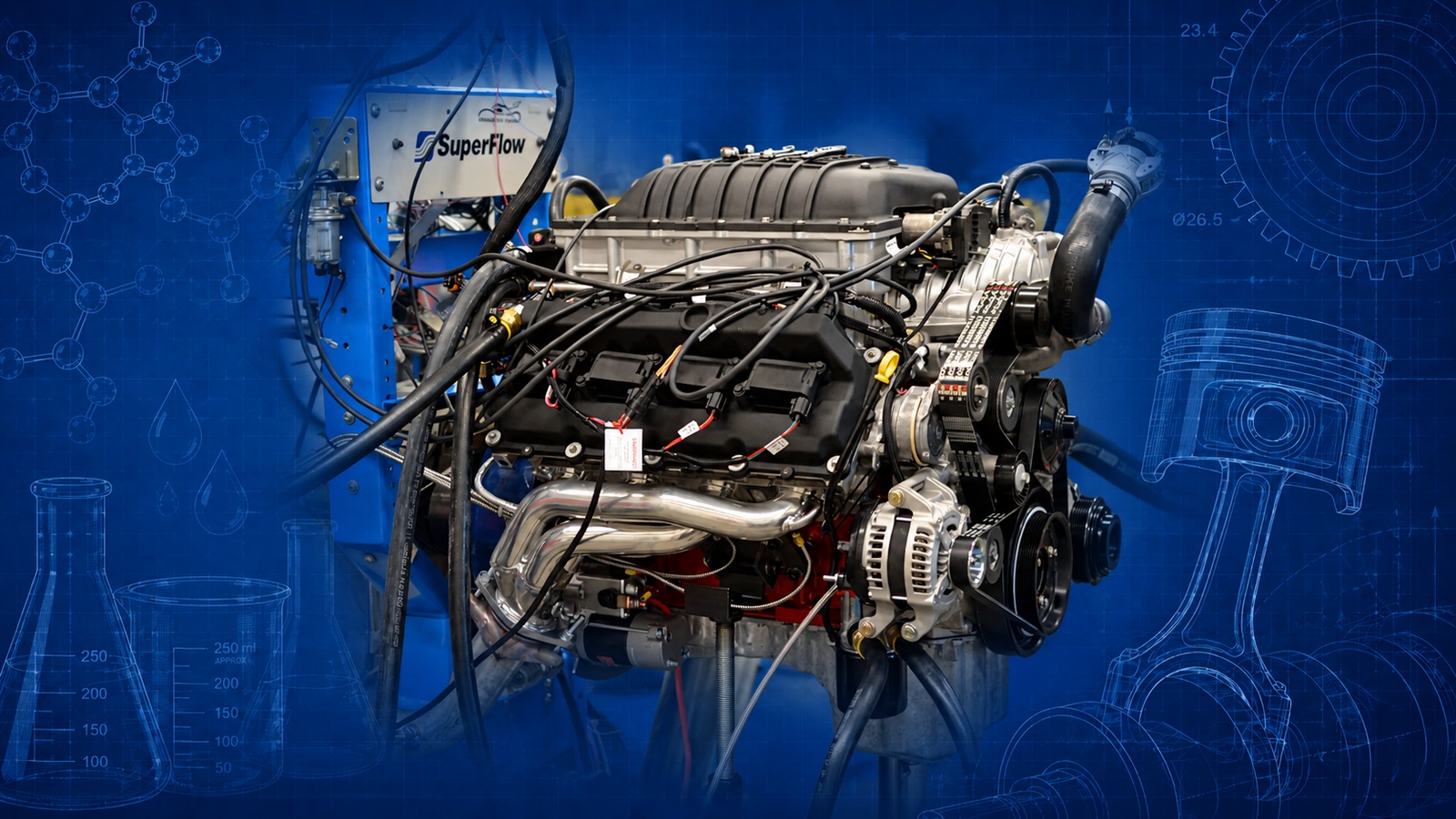
Go inside the AMSOIL Mechanical Lab as its technicians tackle the challenge of installing, running and dyno testing Mopar's supercharged 1,000 hp Hellephant crate engine.
Motorcycle
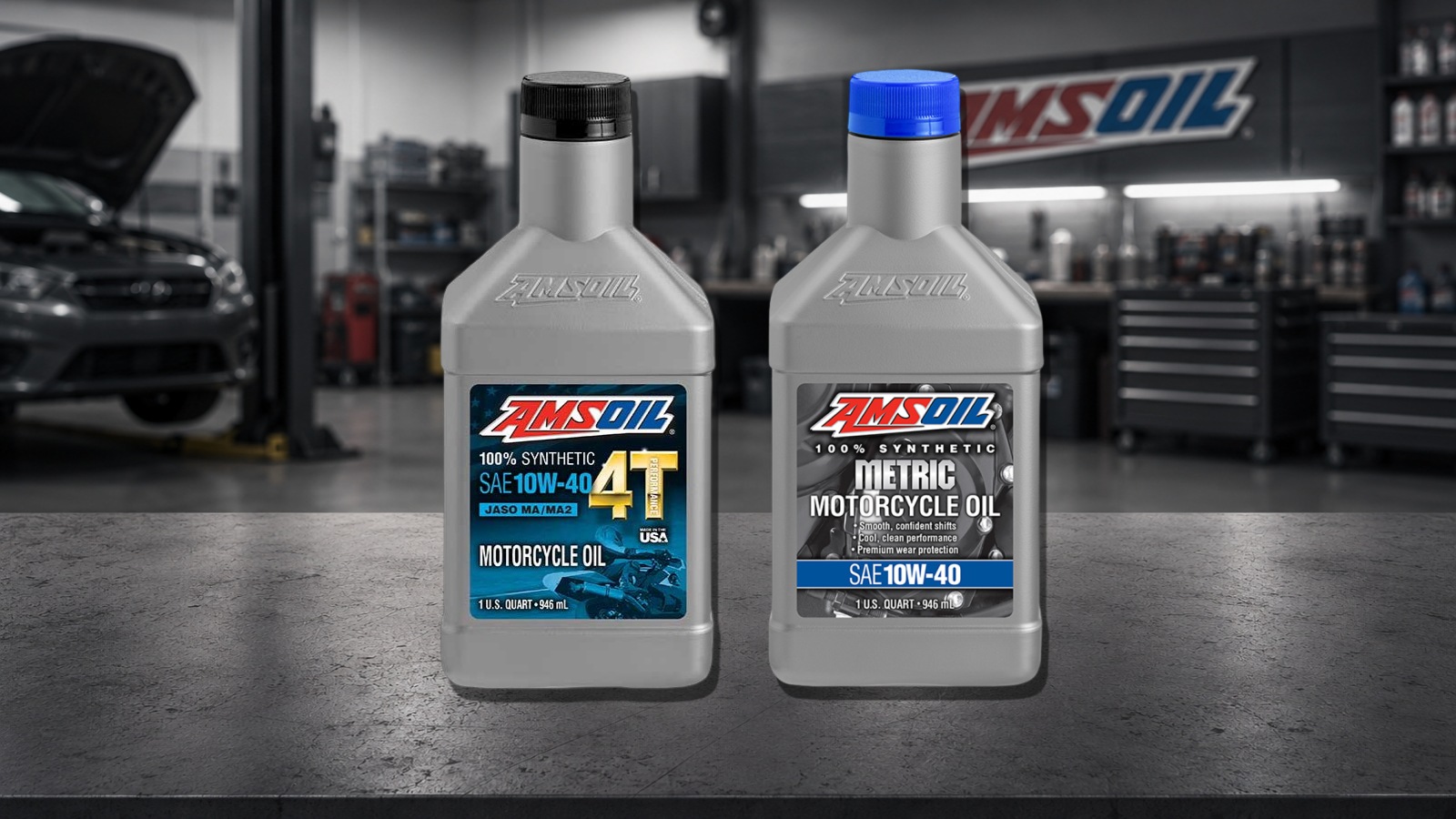
What makes a good motorcycle oil? Learn how heat, high rpm, transmission shear, wet clutches and corrosion protection affect the lubricant your motorcycle needs.
Engine Oil
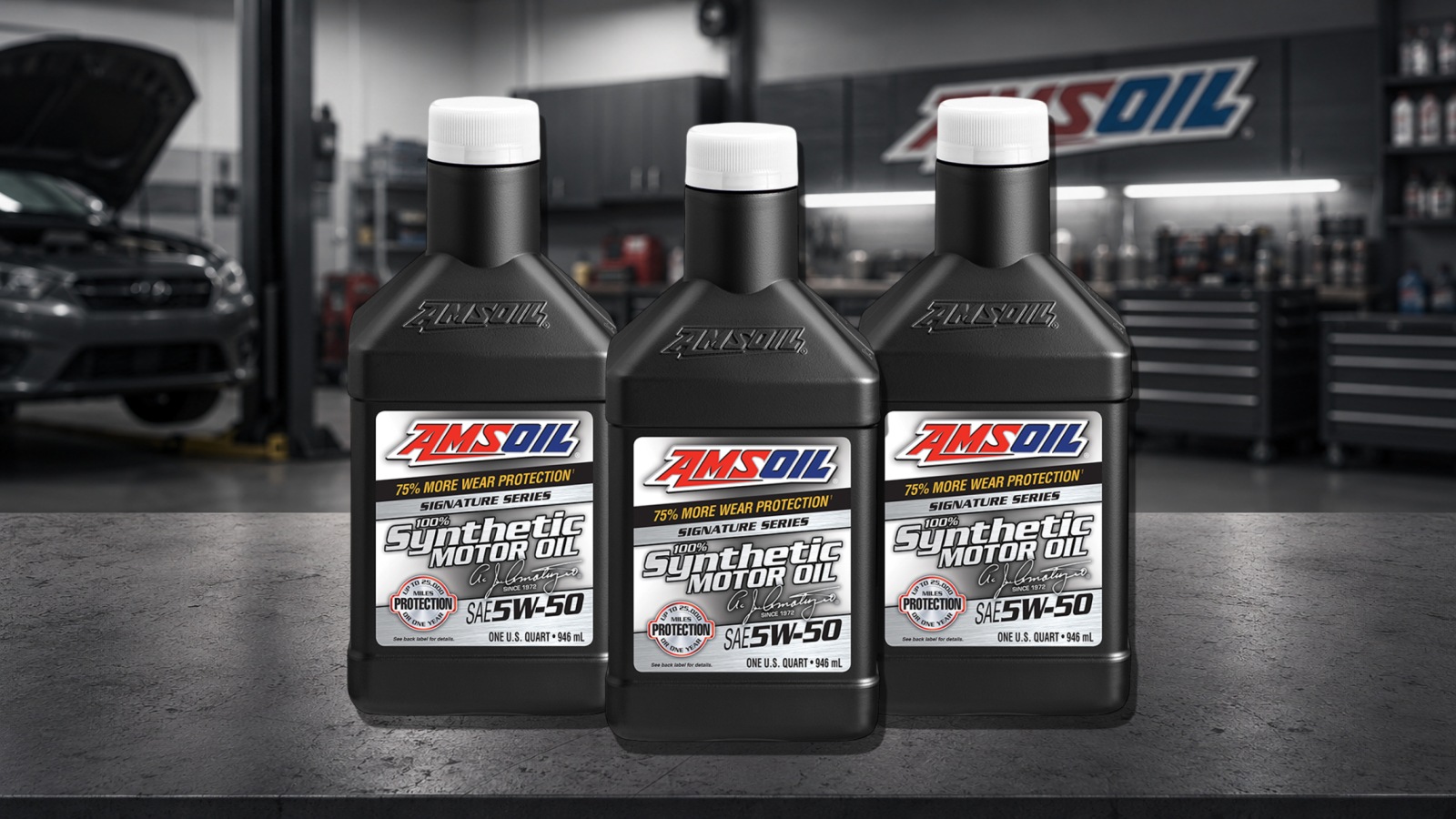
Some high-performance Ford Mustang engines specify 5W-50 engine oil. Learn why Ford uses this viscosity in selected Mustang applications and why the correct specification matters.
Diesel
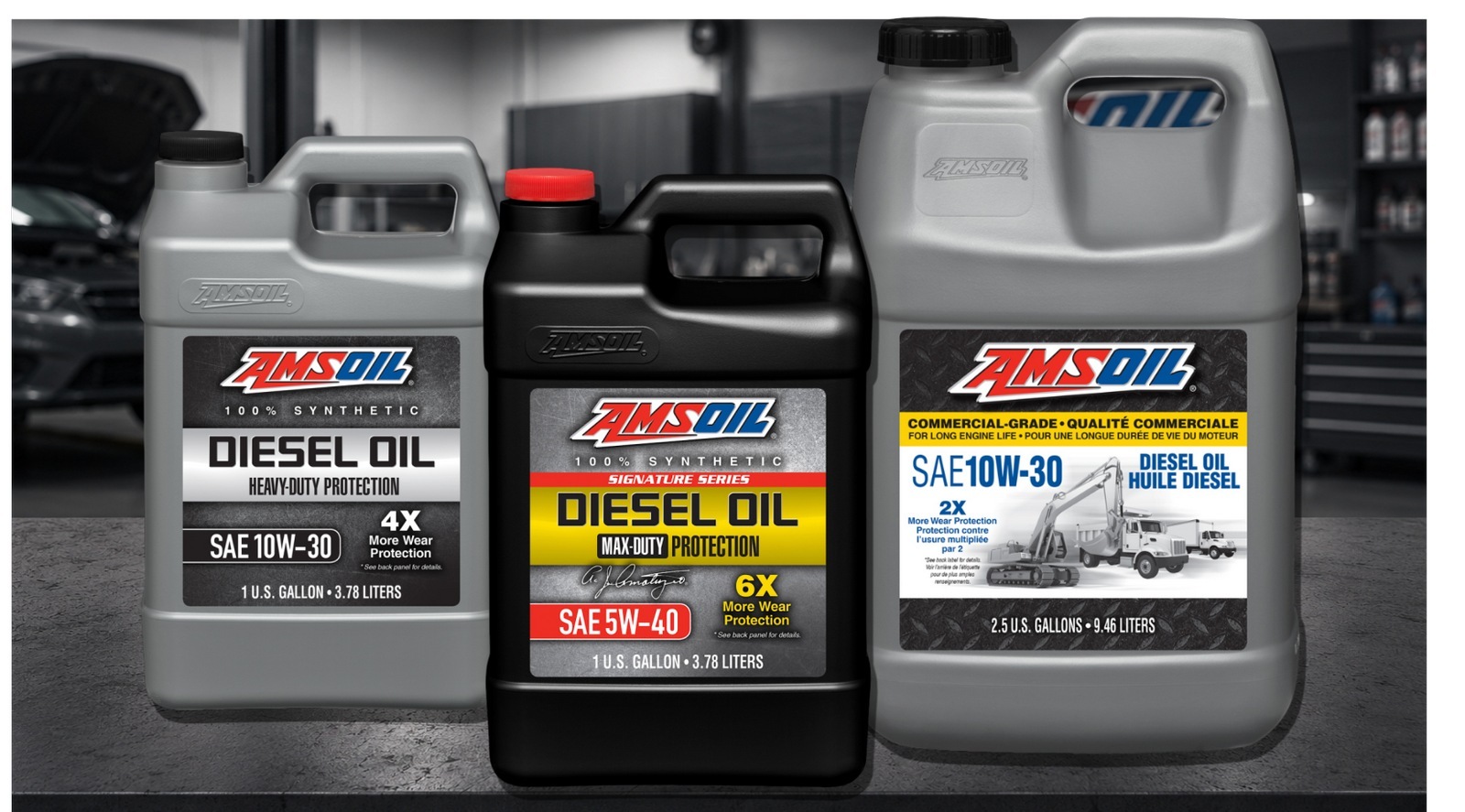
Not all diesel engines require heavy-duty diesel oil. Learn why modern diesel cars, utes and SUVs can require specialised low-SAPS oils and manufacturer specifications.

4WD & Off-Road
Keep your quad bike or side-by-side reliable with seven essential maintenance checks covering engine oil, driveline fluids, air filtration, fuel, cooling and more.
Engine Oil
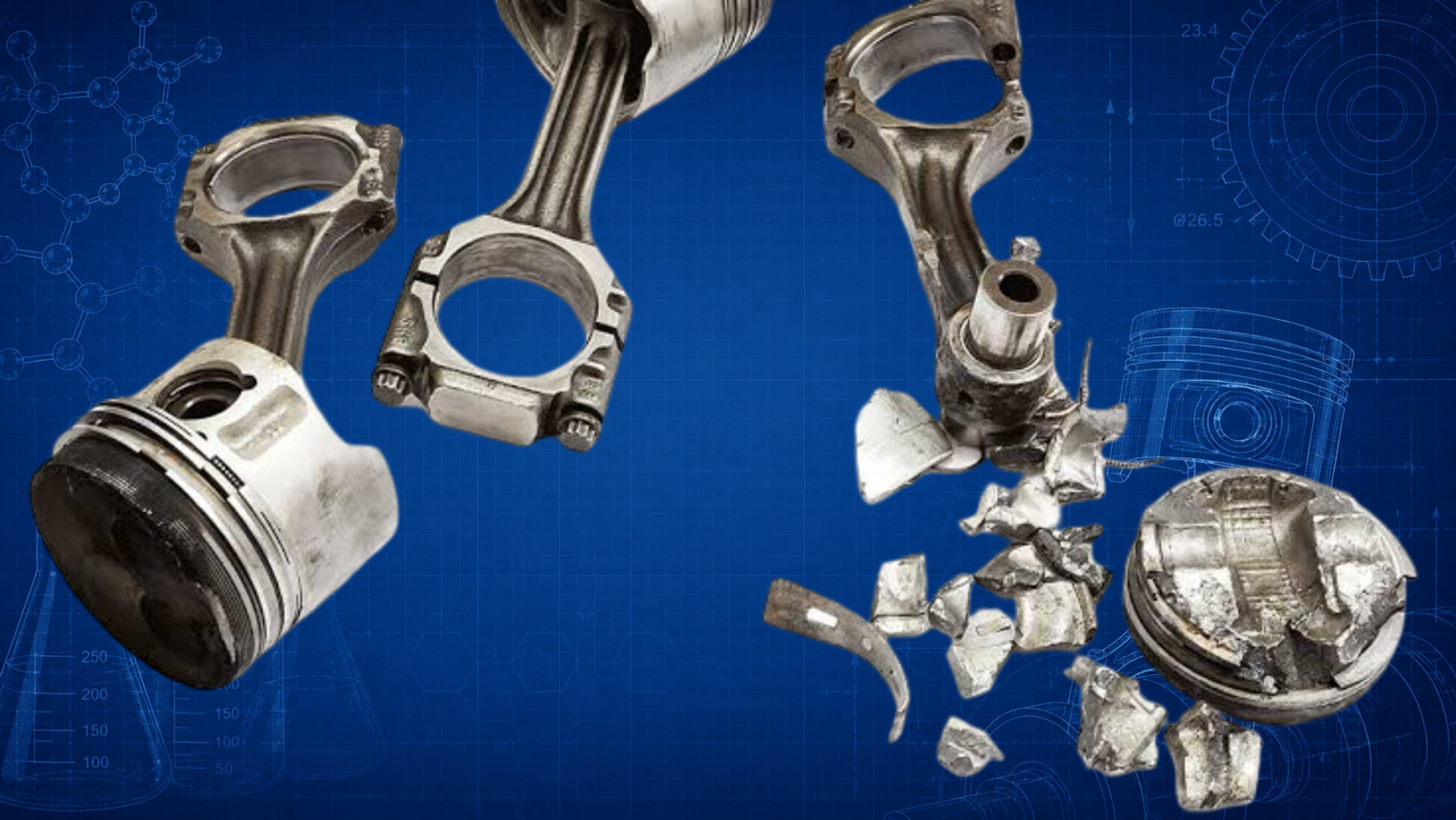
Engine knock can mean very different things. Learn the difference between combustion knock, valvetrain ticking and rod knock, and what each may indicate.

Engine Oil
Does black oil need changing? Can you mix synthetic and conventional oil? Does synthetic oil cause leaks? We separate common engine-oil myths from the facts.

Engine Oil
Engine oil doesn't last forever. Learn how heat, oxidation, contamination, fuel dilution, moisture, shear and additive depletion gradually make engine oil unfit for service.
Engine Oil
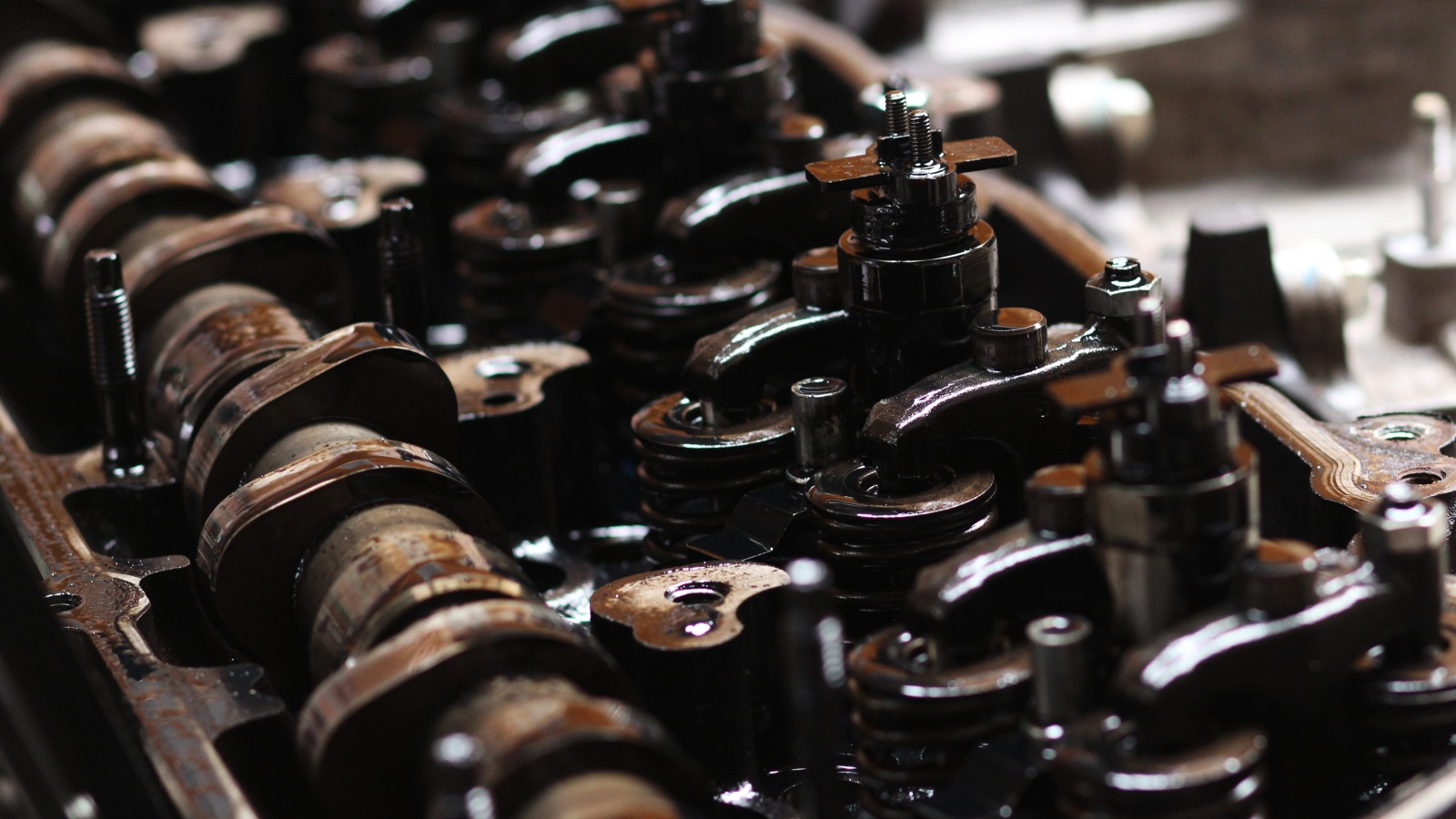
Engine sludge forms when degraded oil and contaminants accumulate inside an engine. Learn what causes sludge, the damage it can cause and how to help prevent it.
Motorcycle
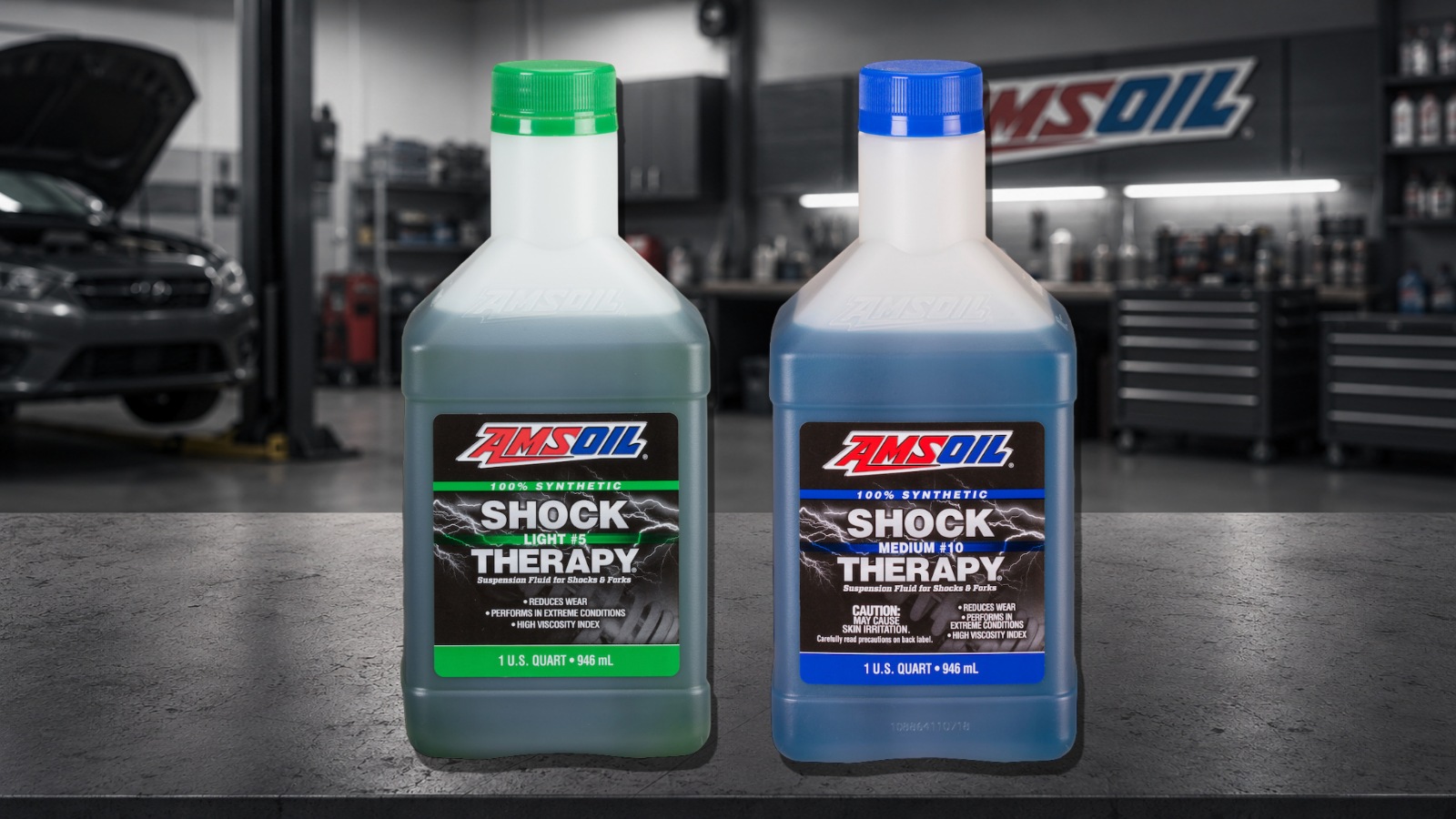
Fork-oil viscosity directly affects suspension damping and feel. Learn how to compare fork oils properly using viscosity, viscosity index and technical data.
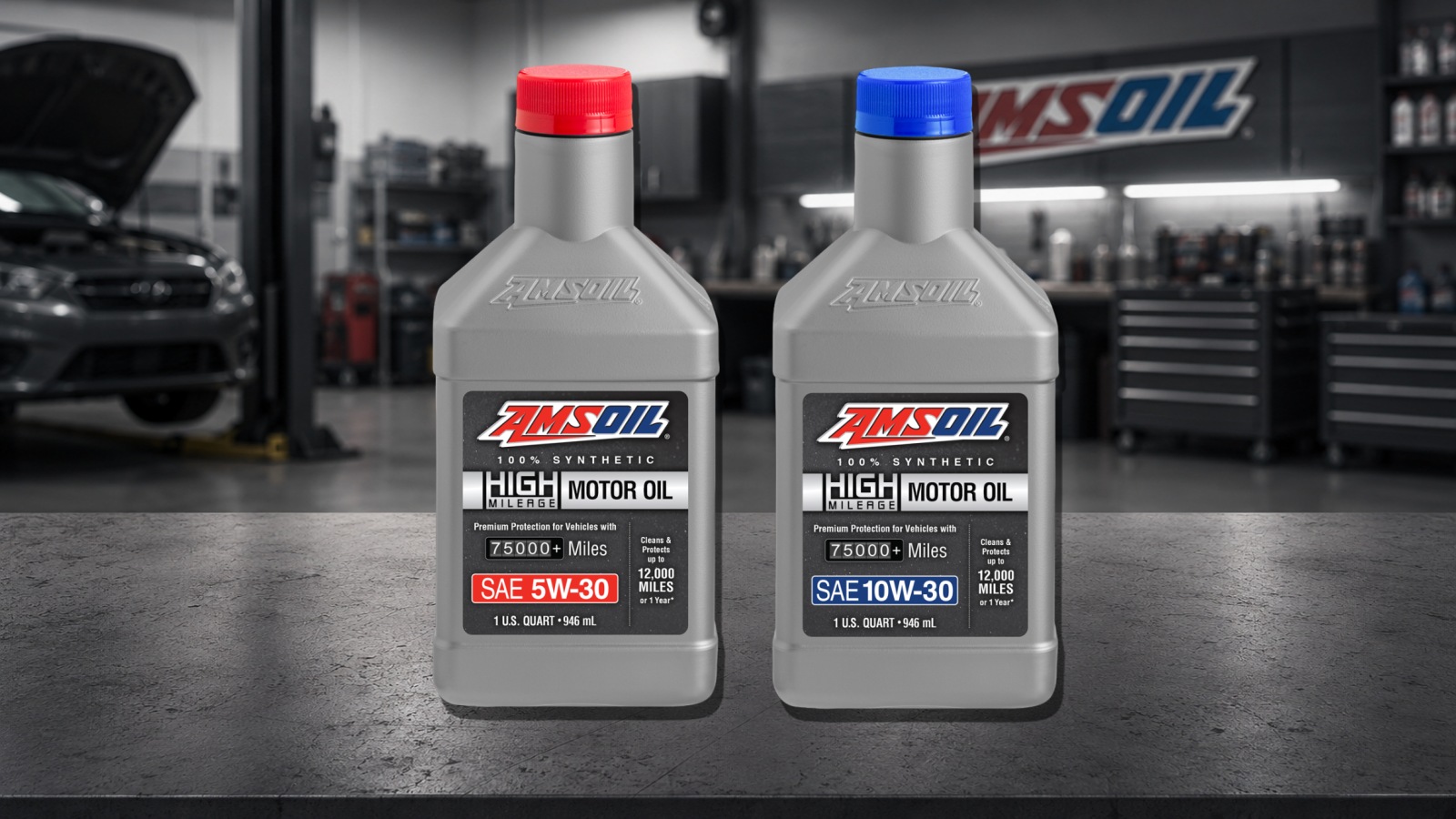
Engine Oil
High-mileage engine oil isn't just marketing. Learn how seal conditioners, detergents, volatility control and viscosity stability can help protect ageing engines.
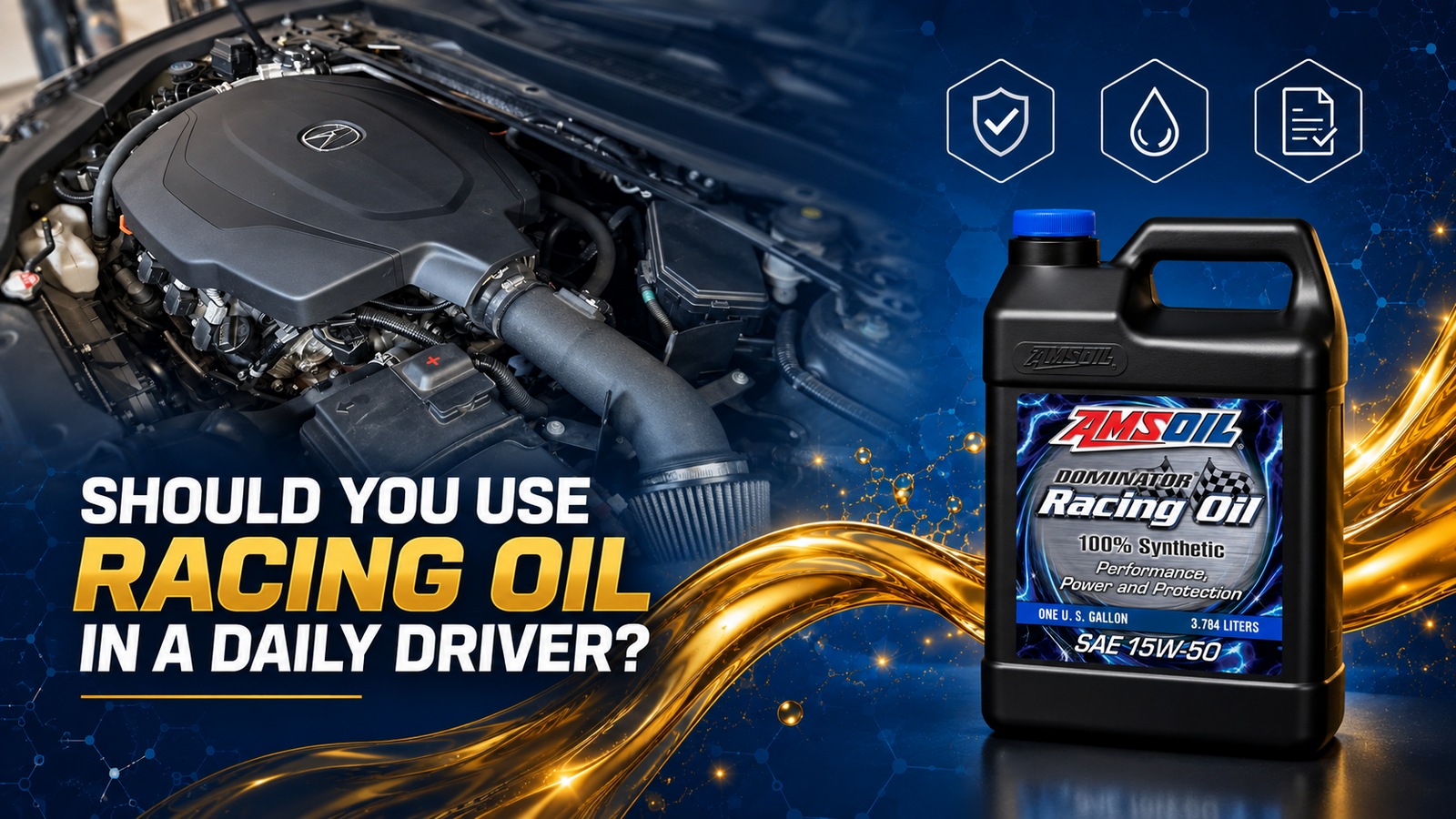
Engine Oil
Racing oil is engineered for extreme competition use, but that doesn't necessarily make it better for a road car. Learn how racing and street engine oils differ.
API, ILSAC and ACEA specifications define important performance requirements for modern engine oils, but understanding what the letters and numbers actually mean isn't always straightforward. Explore our guide to current and historical oil standards, backwards compatibility and choosing the correct specification for your vehicle.
Explore Oil Standards →Conventional full-flow oil filters are designed to protect an engine without restricting oil flow, but much smaller contaminants can remain suspended in the oil. Bypass filtration adds a secondary filtration circuit designed to progressively remove extremely fine contamination. Learn how AMSOIL bypass filtration works, compare the BMK21, BMK22 and BMK23 systems, understand EaBP filter sizing and decide whether a bypass system makes sense for your application.
Explore Bypass Filtration →

Add your favourites to cart

Select Afterpay at checkout

Log into or create your Afterpay account, with instant approval decision

Your purchase will be split into 4 payments, payable every 2 weeks
All you need to apply is to have a debit or credit card, to be over 18 years of age, and to be a resident of country offering Afterpay
Late fees and additional eligibility criteria apply. The first payment may be due at the time of purchase
For complete terms visit afterpay.com/terms