Engine sludge is a thick accumulation of degraded engine oil, contaminants and combustion by-products that can form inside an engine. Left unchecked, sludge can restrict oil circulation, interfere with oil-controlled components and, in severe cases, contribute to engine failure.
Sludge does not normally appear because of one single event. It develops when engine oil is exposed to heat, oxygen, contamination and operating conditions that progressively overwhelm its ability to remain clean and protect the engine.
Engine sludge forms when engine oil deteriorates and contaminants accumulate faster than the lubricant can control them. Heat, oxidation, short trips, moisture, fuel dilution, poor maintenance and extended oil-change intervals can all contribute.
What Does Engine Sludge Look Like?
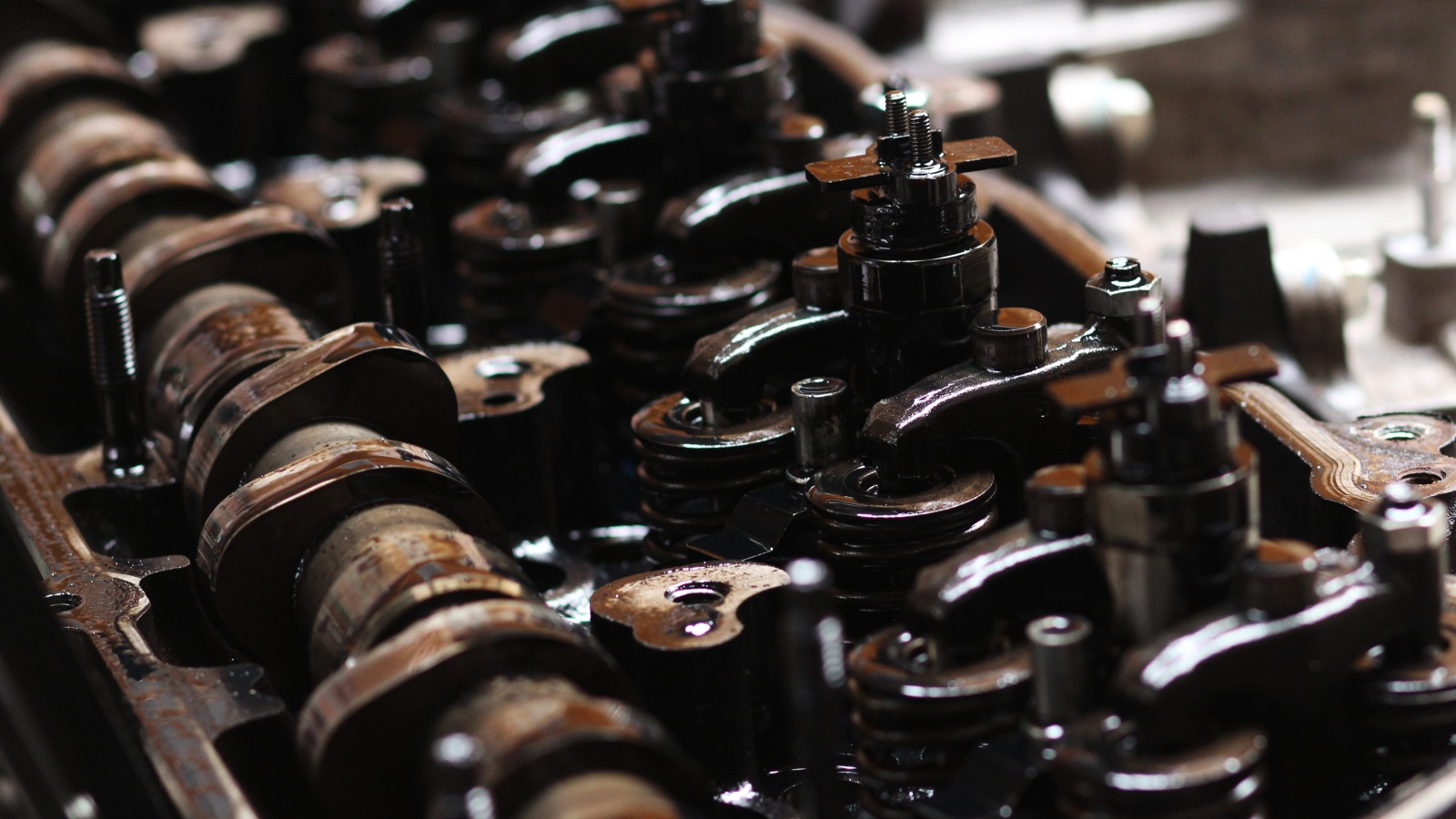
Engine sludge can range from a soft brown or black deposit to a thick, sticky or tar-like material coating internal engine components. It commonly accumulates in areas where oil drains or circulates slowly, including the cylinder head, valve covers, oil pan and oil-pump pickup.
Light varnish or staining inside an engine is not necessarily the same thing as sludge. Severe sludge is a substantial deposit that can interfere with lubrication and mechanical operation.
What Causes Engine Sludge?
Engine oil operates in an extremely demanding environment. It is repeatedly heated and cooled while being exposed to oxygen, combustion gases, moisture and other contaminants.
A quality engine oil contains antioxidants, detergents, dispersants and other additives designed to resist degradation and keep contaminants under control. Eventually, however, the oil and its additive system can become depleted or overwhelmed.
Several processes can contribute to sludge formation.
Oil Oxidation
Oxidation occurs when engine oil chemically reacts with oxygen. This process gradually changes the lubricant and can lead to increased viscosity, acids, varnish and deposits.
High temperatures accelerate oxidation. An engine operating under sustained high load, excessive heat or inadequate cooling can therefore place greater oxidative stress on its lubricant.
Synthetic base oils generally provide excellent resistance to oxidation, but no engine oil lasts indefinitely. Eventually the lubricant must be replaced before degradation and contamination compromise its ability to protect the engine.
Combustion Contamination and Blow-By
The piston rings cannot create a perfect seal between the combustion chamber and crankcase. A small amount of combustion gas passes the rings during normal operation, a process known as blow-by.
These gases can carry combustion by-products into the crankcase, where they contaminate the engine oil. The lubricant's detergent and dispersant additives help manage this contamination until the oil is changed.
Engines with increased ring or cylinder wear may experience greater blow-by, potentially placing additional demands on the oil.
Short Trips and Moisture
Short-trip operation can be surprisingly hard on engine oil. Every time an engine cools, moisture can condense internally. When the engine reaches full operating temperature for a sufficient period, much of this moisture can evaporate and leave through the crankcase ventilation system.
A vehicle repeatedly driven only short distances may not remain hot long enough to remove accumulated moisture effectively.
The combination of moisture, combustion contaminants and partially degraded oil can contribute to deposit and sludge formation, which is one reason frequent short-trip driving is commonly considered severe service.
Fuel Dilution
Fuel can also contaminate engine oil. Some fuel dilution occurs during normal cold starts, but excessive idling, repeated short trips, engine faults and certain operating conditions can increase the amount of fuel entering the crankcase.
Fuel dilution can reduce lubricant viscosity and interfere with the oil's ability to provide an effective protective film. Combined with moisture and other contaminants, it can also contribute to oil degradation.
Coolant Contamination
Coolant entering the lubrication system is considerably more serious. A failed gasket, damaged component or other mechanical fault can allow coolant to mix with engine oil.
Coolant contamination can rapidly compromise the lubricant and contribute to thick deposits and sludge. It requires diagnosis and mechanical repair rather than simply an oil change.
Heavy sludge can be a symptom of a mechanical problem rather than simply poor-quality oil. Coolant contamination, excessive fuel dilution, malfunctioning crankcase ventilation and abnormal operating temperatures should be corrected before attempting to solve the problem with lubricant alone.
Extended or Missed Oil Changes
One of the simplest ways to overwhelm an engine oil is to leave it in service beyond an appropriate interval.
As kilometres and operating hours accumulate, the lubricant is repeatedly exposed to heat and contamination. Its additive system continues working to neutralise acids, control deposits and keep contaminants suspended until they can be removed during an oil change.
If the oil remains in service too long for the lubricant, vehicle and operating conditions, contamination can eventually exceed its ability to control it.
For more information, see our guide to how often synthetic engine oil should be changed.
Why Is Engine Sludge Harmful?
An engine relies on a continuous supply of oil reaching components through galleries and passages that can be relatively small. Heavy sludge can restrict these passages and interfere with oil returning to the sump.
Deposits around the oil-pump pickup screen are particularly dangerous. If the pickup becomes restricted, the pump may be unable to supply sufficient oil to the engine.
Reduced oil flow can result in inadequate lubrication of bearings, camshafts, turbochargers and other highly loaded components. In severe cases, oil starvation can cause rapid and catastrophic engine damage.
Sludge Can Affect Variable Valve Timing
Modern engines often make extensive use of engine oil as a hydraulic fluid as well as a lubricant.
Variable valve timing systems can use oil pressure to operate control valves and camshaft actuators. These systems depend on clean oil flowing through small passages and screens.
Sludge and deposits can interfere with this oil flow, potentially causing incorrect operation, fault codes, poor engine performance and expensive repairs.
Other oil-pressure-operated systems can be similarly sensitive to contamination, making engine cleanliness increasingly important in modern engines.
Does Synthetic Oil Prevent Sludge?
A quality synthetic engine oil can provide excellent resistance to the conditions that promote sludge formation. Synthetic base oils typically offer strong resistance to high-temperature oxidation, while an effective detergent and dispersant system helps control contaminants and deposits.
Synthetic oil does not make an engine immune to sludge, however. Poor maintenance, mechanical faults, severe contamination or inappropriate service intervals can overwhelm any lubricant.
The best defence is to use the correct oil for the engine and change it at an interval appropriate for the lubricant and operating conditions.
Can Engine Oil Clean Existing Sludge?
Detergent and dispersant additives can help clean deposits and prevent contaminants from accumulating on engine surfaces. Moving from a poorly performing or badly degraded lubricant to a high-quality detergent engine oil can therefore result in gradual cleaning during normal operation.
This is not the same as saying that engine oil can safely repair a severely sludged engine.
Heavy sludge may restrict oil galleries and collect around the oil-pump pickup. Attempting to remove large quantities of deposit rapidly can potentially allow loosened material to circulate or accumulate elsewhere in the lubrication system.
If an engine contains heavy sludge deposits or already shows signs of lubrication problems, mechanical inspection may be safer than attempting an aggressive chemical clean. The cause of the sludge should also be identified before returning the engine to service.
How to Help Prevent Engine Sludge
- Use the correct engine oil — select the viscosity and performance specification required for the vehicle.
- Use a quality lubricant with strong oxidation resistance, detergency and deposit control.
- Use an appropriate oil-change interval for the vehicle, lubricant and operating conditions.
- Account for severe service including frequent short trips, extensive idling and demanding operating conditions.
- Maintain the cooling system so the engine operates within its intended temperature range.
- Repair mechanical problems that allow excessive fuel, coolant or combustion contaminants into the oil.
- Use the correct oil filter and replace it at the required service interval.
AMSOIL Synthetic Engine Oil and Sludge Protection
AMSOIL synthetic engine oils are formulated with high-quality synthetic base oils and robust additive systems designed to resist oxidation, control deposits and maintain engine cleanliness.
Different AMSOIL engine-oil families are designed for different applications, service intervals and vehicle requirements, so the appropriate product should be selected according to the engine rather than simply choosing the most expensive oil.
For older engines where deposit control, oil consumption and ageing seals have become greater concerns, see our guide to high-mileage engine oil.
Engine sludge is the result of lubricant degradation and contamination rather than a substance that suddenly appears inside an engine. Quality oil, appropriate service intervals and good mechanical maintenance help prevent it. Once an engine is severely sludged, however, the problem should be treated as a mechanical and lubrication issue rather than something that can necessarily be fixed by pouring a cleaner into the crankcase.
Not sure which oil your engine requires? Use the AMSOIL Vehicle Finder, or visit our Engine Oil Standards Guide to understand lubricant specifications.
Oil Information & Technical Guides
Explore our oil knowledge base with practical guides covering oil standards, viscosity, base-oil technology and application-specific specifications.