
Choosing motorcycle oil involves more than finding the correct SAE viscosity. Many motorcycles use the same lubricant in the engine, transmission and wet clutch, placing demands on the oil that are very different from those encountered in a typical passenger-car engine.
This is where JASO motorcycle oil standards become important. Developed for motorcycle applications, these standards help identify oils with the performance and friction characteristics required by different motorcycle lubrication systems.
For four-stroke motorcycles, the classifications most riders encounter are JASO MA, MA1, MA2 and MB. Two-stroke oils use a separate JASO classification system, including FB, FC and FD.
What Does JASO Mean?
JASO refers to standards developed by the Japanese Automotive Standards Organization framework through the Society of Automotive Engineers of Japan (JSAE). Among its automotive standards are specifications specifically developed for motorcycle engine oils.
The current four-stroke motorcycle engine-oil standard is JASO T 903:2023. It establishes requirements for four-stroke motorcycle oils and classifies qualifying oils according to their friction characteristics as MA, MA1, MA2 or MB.
This is particularly important because many motorcycles use a wet clutch, where the clutch operates in the same oil used elsewhere in the motorcycle.
Why Motorcycles Need Different Oil Requirements
In many cars, engine oil has one principal job: lubricating the engine. The transmission uses a separate fluid and the clutch, where fitted, normally operates dry.
Many motorcycles are different. A single lubricant may be required to protect the engine, lubricate transmission gears and operate correctly with a wet clutch. Motorcycle engines may also operate at high engine speeds and temperatures, while transmission gears subject the lubricant to significant mechanical shear.
This combination means an oil that performs well in a passenger-car engine is not automatically suitable for a motorcycle.
What Is a Wet Clutch?
A wet clutch uses alternating friction and steel plates that operate immersed in lubricant. When the clutch is engaged, friction between these plates allows engine torque to pass through the transmission. When the clutch is disengaged, the plates must separate sufficiently to interrupt that transfer of power.
The lubricant therefore has to perform two seemingly competing jobs: lubricate and protect the clutch components while still allowing sufficient friction for the clutch to engage correctly.
If the oil's friction characteristics are inappropriate for the clutch, engagement and clutch feel can be affected. This is one reason an automotive engine oil should not be substituted for the specified motorcycle oil simply because its viscosity appears correct.
JASO MA, MA1, MA2 and MB Explained
Under JASO T 903, four-stroke motorcycle oils are evaluated using a clutch friction test. The results are characterised using three friction indices covering dynamic friction, static friction and clutch stop-time behaviour.
Those results determine whether an oil falls into the MA, MA1, MA2 or MB classification.
| JASO Class | Friction Range | What It Means |
|---|---|---|
| MA | Broad MA range | Motorcycle oil with wet-clutch-compatible friction characteristics. |
| MA1 | Lower portion of MA range | Lower-friction subdivision of MA. |
| MA2 | Higher portion of MA range | Higher-friction subdivision of MA, commonly specified for modern wet-clutch motorcycles. |
| MB | Lower friction | For applications designed for MB-type friction characteristics; not a substitute for MA/MA2 where those are required. |
MA2 Does Not Simply Mean “Better Than MA”
It is tempting to read MA, MA1 and MA2 as a conventional progression where the highest number represents the best oil. That is not really what the classifications mean.
The distinction is primarily about friction characteristics. MA1 occupies one part of the MA friction range and MA2 another. The correct classification depends on the requirements of the motorcycle and its clutch system.
For that reason, lubricant selection should begin with the motorcycle manufacturer's recommendation rather than automatically choosing MA2 whenever it is available.
Why Passenger-Car Engine Oil Can Be a Problem
Passenger-car engine oils are formulated around the requirements of automotive engines, fuel economy systems and emissions standards. Some automotive oils use friction-modifying chemistry that is entirely appropriate for their intended application but may not provide the friction characteristics required by a motorcycle wet clutch.
Motorcycle oil can also face mechanical stresses not normally encountered by engine oil in a car. Where the engine and transmission share a lubricant, meshing transmission gears can subject the oil to substantial shear forces. Permanent viscosity loss caused by mechanical shear can reduce the lubricant's ability to maintain its intended protective film.
For more information on this process, see our guide to what “stay-in-grade” engine oil means.
How Does JASO Relate to API Engine Oil Standards?
JASO and API classifications describe different aspects of lubricant performance and should not be treated as competing alternatives.
An oil may carry an API engine-oil performance classification while also meeting a JASO motorcycle friction classification. The API designation relates to engine-oil performance requirements, while JASO T 903 includes motorcycle-specific requirements and friction classification relevant to motorcycle applications.
You can learn more about API classifications in our Oil Standards Guide.
What About JASO Two-Stroke Oil?
Two-stroke motorcycle oil uses an entirely separate JASO system. The current standard is JASO M 345:2024, which classifies lubricants for two-stroke-cycle petrol engines.
The classifications commonly encountered today are FB, FC and FD. Unlike the MA and MB classifications used for four-stroke motorcycle oils, these ratings address the performance requirements of two-stroke lubricants.
| JASO Class | Performance Level | What It Means |
|---|---|---|
| FB | Base performance level | Establishes requirements for two-stroke lubrication performance and engine cleanliness. |
| FC | Cleaner operation | Adds greater emphasis on cleaner operation, including exhaust-system cleanliness and reduced smoke compared with earlier performance levels. |
| FD | Higher detergent performance | Provides increased engine-cleanliness performance for demanding two-stroke applications. |
MA, MA1, MA2 and MB belong to the four-stroke motorcycle oil standard and primarily distinguish friction characteristics. FB, FC and FD belong to the separate two-stroke oil standard and describe two-stroke lubricant performance.
What Does It Mean When an Oil “Meets JASO”?
Care is worthwhile when interpreting lubricant terminology. The JASO system includes an official filing system through which lubricant suppliers can submit qualifying oils and display the applicable JASO classification according to the system's requirements.
The system is not simply equivalent to an independent organisation testing every bottle and issuing a universal “JASO certification”. The lubricant supplier remains responsible for the product's performance, quality and labelling.
For consumers, the practical requirement remains straightforward: check the motorcycle manufacturer's specified lubricant requirements and select an oil carrying the appropriate performance claims and friction characteristics for that application.
JASO and AMSOIL Motorcycle Oils
AMSOIL formulates motorcycle oils specifically for the combined demands encountered in motorcycle engines, transmissions and wet-clutch systems. AMSOIL motorcycle products are available for a range of street, V-Twin, dirt bike, scooter and other powersports applications, with individual products specifying the JASO requirements they are formulated to meet.
For example, AMSOIL states that its synthetic motorcycle oils meet JASO MA2 friction requirements for wet-clutch applications. Individual product specifications should still be checked because AMSOIL offers different lubricants for different motorcycle and powersports applications.
Which Motorcycle Oil Does My Bike Need?
Start with the lubricant requirements specified by the motorcycle manufacturer. Check the required SAE viscosity, relevant JASO classification and any additional API or manufacturer requirements before selecting an oil.
Do not select an oil solely because MA2 appears to be a higher classification than MA1, and do not assume that an automotive oil with the correct viscosity is automatically suitable for a motorcycle with a shared engine, transmission and wet-clutch lubrication system.
You can use the AMSOIL Vehicle Product Finder to find AMSOIL lubricant recommendations for your motorcycle, or browse the AMSOIL motorcycle oil range to compare products designed for different riding and equipment applications.
Choosing an AMSOIL Motorcycle Oil
Understanding the JASO specification is only part of choosing the correct motorcycle oil. AMSOIL offers several motorcycle-oil ranges designed around different types of motorcycles and operating conditions.
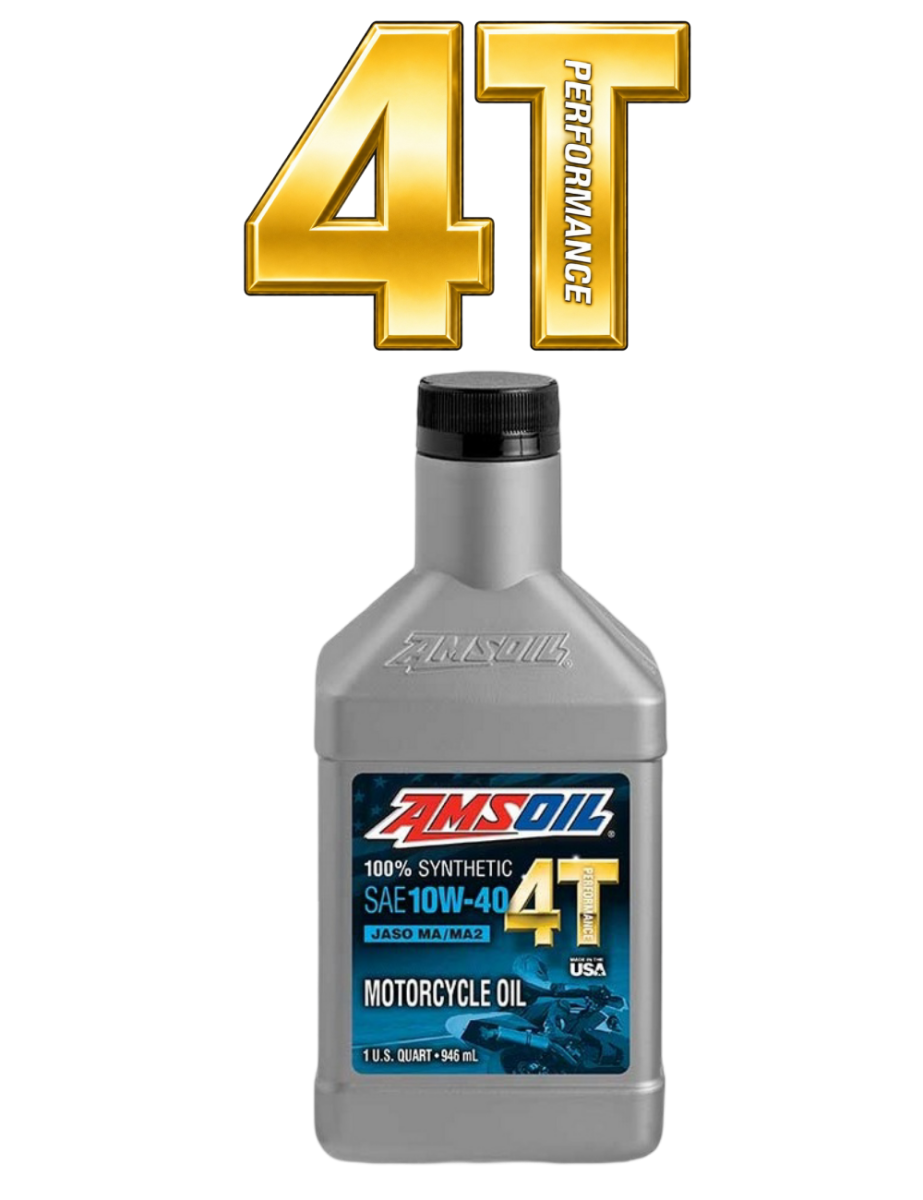
4-Stroke Motorcycle Oil
Synthetic motorcycle oil for everyday road-bike applications requiring compatible engine, transmission and wet-clutch performance.
View 4-Stroke Motorcycle Oil ›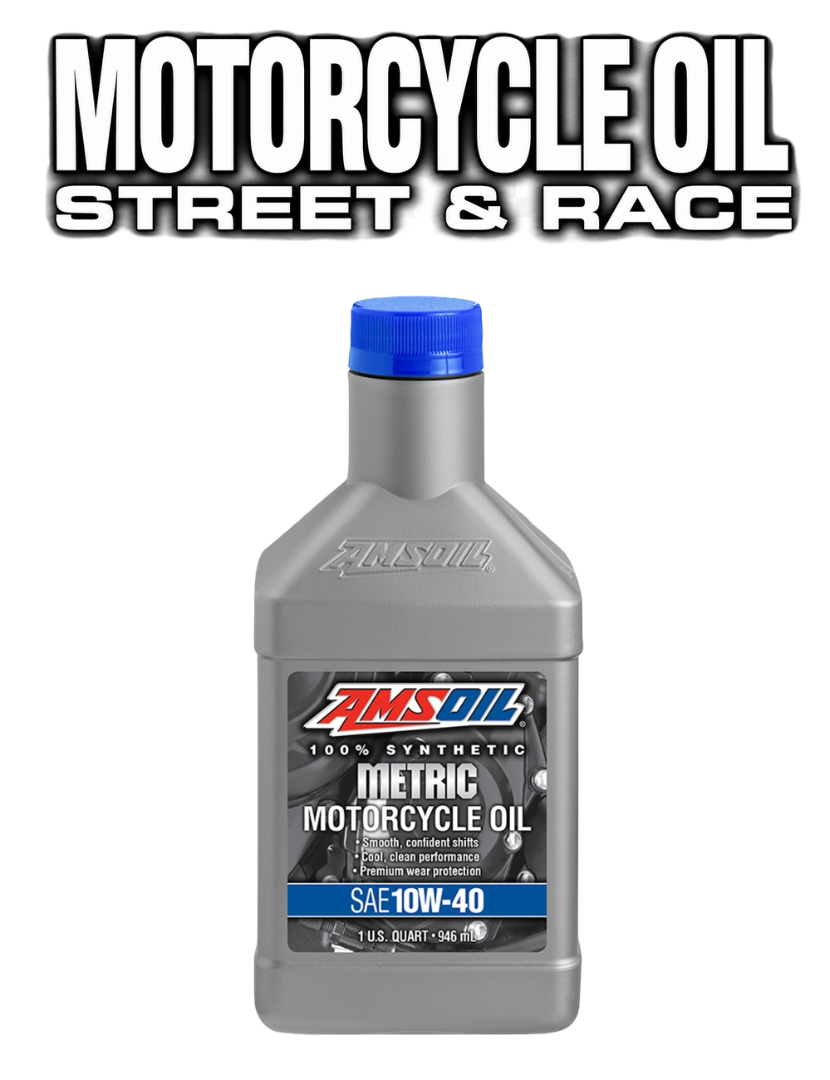
Metric Motorcycle Oil
Premium synthetic protection for demanding metric motorcycle engines, transmissions and wet clutches.
View Metric Motorcycle Oil ›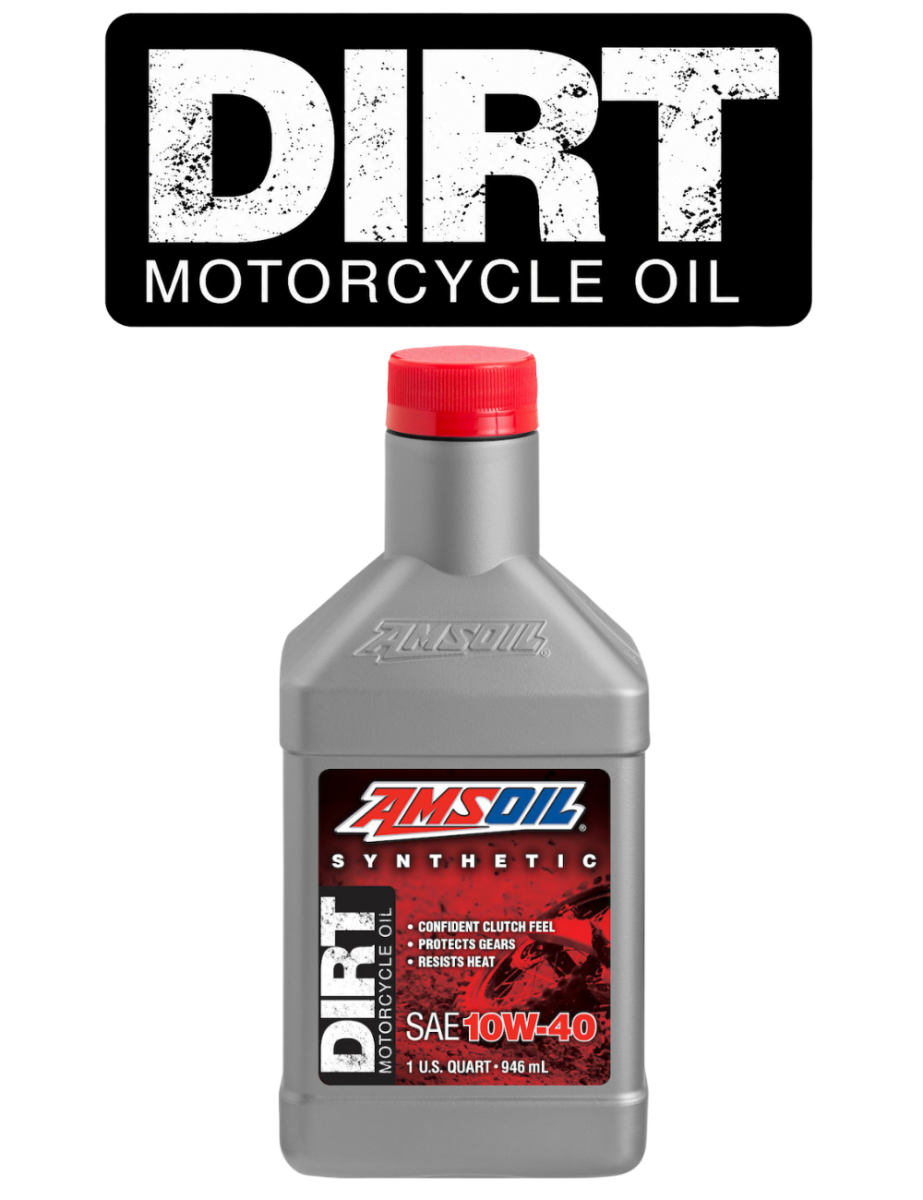
Dirt Bike Oil
Purpose-built synthetic lubrication for the high temperatures, high rpm and demanding operation of off-road motorcycles.
View Dirt Bike Oil ›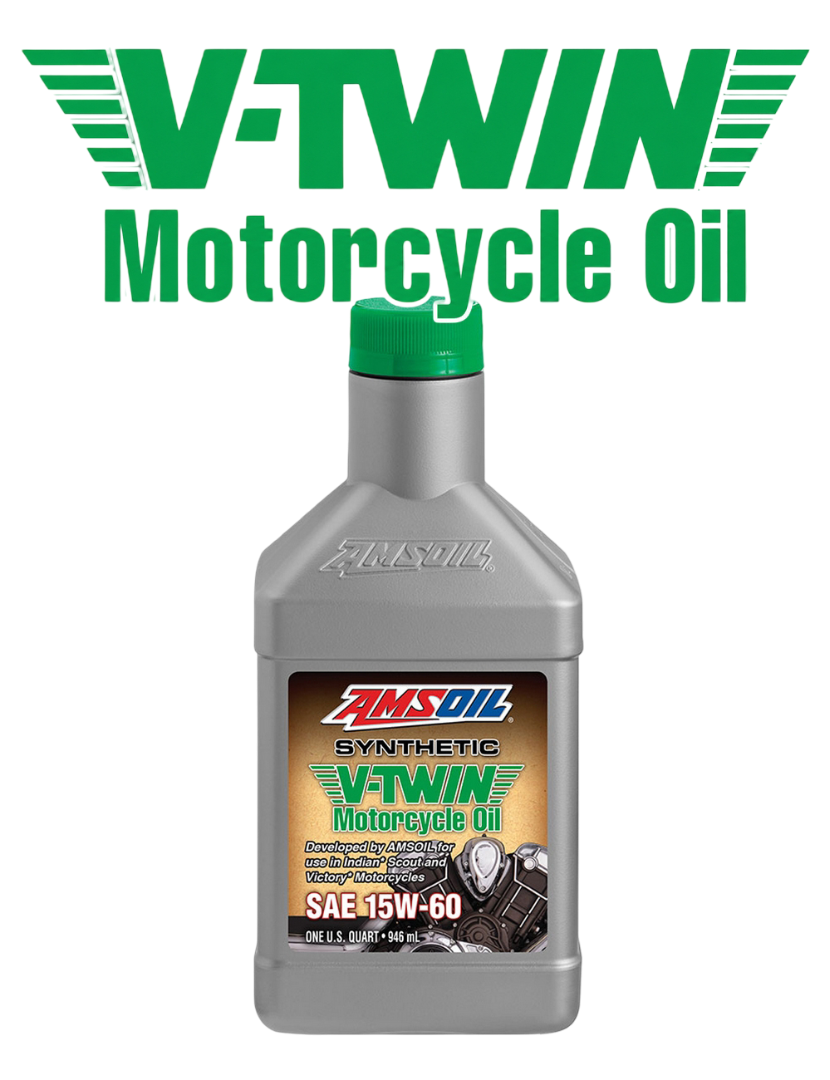
V-Twin Motorcycle Oil
Premium synthetic lubrication developed for the heat and operating demands of V-Twin motorcycles.
View V-Twin Motorcycle Oil ›The motorcycle type alone does not determine the correct oil. Always confirm the viscosity, JASO classification and other lubricant requirements specified by the motorcycle manufacturer.
Oil Information & Technical Guides
Explore our oil knowledge base with practical guides covering oil standards, viscosity, base-oil technology and application-specific specifications.