
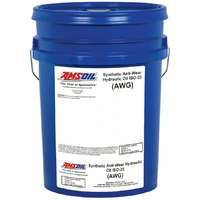
AMSOIL synthetic anti-wear hydraulic oils are engineered to protect hydraulic pumps, motors, valves and other components against wear in demanding industrial and mobile equipment. Advanced synthetic formulations provide excellent oxidation resistance, thermal stability and dependable lubrication throughout extended service.
Browse the AMSOIL anti-wear hydraulic oil range below to select the appropriate ISO viscosity grade for your hydraulic system and operating conditions.
Hydraulic systems use pressurised fluid to transmit power while simultaneously lubricating pumps, valves, cylinders and other internal components. The hydraulic oil must maintain an effective lubricating film, resist oxidation and deposits, protect against wear and corrosion and release entrained air and water effectively during operation.
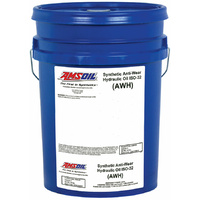
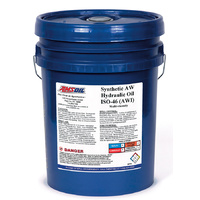
AMSOIL Synthetic Anti-Wear Hydraulic Oils are available in ISO 22, ISO 32 and ISO 46 viscosity grades for industrial and mobile hydraulic systems requiring an appropriate anti-wear hydraulic lubricant.
| AMSOIL Product | ISO Viscosity Grade |
|---|---|
| AWG Synthetic Anti-Wear Hydraulic Oil | ISO 22 |
| AWH Synthetic Anti-Wear Hydraulic Oil | ISO 32 |
| AWI Synthetic Anti-Wear Hydraulic Oil | ISO 46 |
The correct viscosity should be selected according to the hydraulic-system manufacturer's requirements and expected operating conditions. A higher ISO viscosity number does not indicate a higher-quality or more protective hydraulic oil.
Industrial hydraulic oils are commonly classified using the ISO viscosity grading system. The number identifies a viscosity range measured at 40°C, with ISO 22 being less viscous than ISO 32 and ISO 46.
Viscosity has a direct influence on hydraulic-system operation. Oil must be sufficiently viscous to maintain lubrication and control internal leakage while remaining fluid enough to circulate efficiently through pumps, valves, filters and hydraulic lines.
Using oil that is unnecessarily thick can increase resistance, reduce cold-start performance and contribute to inefficient operation. Oil that is too thin can reduce lubricant film strength and increase internal leakage. Always begin with the viscosity specified by the equipment manufacturer.
Hydraulic pumps and other components contain loaded surfaces that depend on the hydraulic fluid for lubrication. Anti-wear hydraulic oils contain an additive system designed to provide additional protection where the lubricating film becomes thin and moving surfaces are subjected to high loads.
This makes anti-wear hydraulic oils suitable for a broad range of hydraulic equipment where the manufacturer specifies an appropriate anti-wear fluid, including industrial machinery and mobile hydraulic systems.
Although transmitting hydraulic pressure is its most obvious function, hydraulic fluid also performs several other jobs within the system. It lubricates moving components, helps remove heat, protects metal surfaces against corrosion and carries contaminants toward the filtration system.
The oil must also resist excessive foaming and release entrained air efficiently. Air within hydraulic fluid can contribute to erratic system response, noise, reduced lubrication and accelerated fluid degradation.
Heat is a major contributor to hydraulic-fluid degradation. As oil oxidises it can increase in viscosity and form acids, sludge and varnish. Deposits can interfere with close-tolerance valves and other hydraulic components, potentially affecting system performance and increasing maintenance requirements.
High-quality synthetic hydraulic oil provides strong resistance to oxidation and thermal degradation, helping maintain consistent lubricant performance during extended operation and demanding service.
Water can enter hydraulic systems through condensation, contaminated fill equipment, damaged seals or operation in wet environments. Excessive water can contribute to corrosion, reduced lubrication performance and accelerated oil degradation.
Hydraulic oils designed with good water-separation characteristics allow free water to separate from the lubricant so it can be removed from the system rather than remaining as a persistent emulsion.
AMSOIL offers both Anti-Wear and Multi-Viscosity Synthetic Hydraulic Oils. The correct choice depends on the equipment and operating environment rather than one range simply being better than the other.
Anti-Wear Hydraulic Oils are a logical choice for systems operating within a relatively predictable temperature range and requiring the appropriate ISO viscosity grade.
Multi-Viscosity Hydraulic Oils are particularly useful where equipment must operate across substantial temperature changes. Their high viscosity index helps reduce the degree to which oil viscosity changes as operating temperature rises and falls.
This can be especially valuable for mobile and outdoor equipment that may start in cold conditions before reaching much higher hydraulic-system temperatures during operation.
Before selecting hydraulic oil, identify the equipment manufacturer's required ISO viscosity grade and hydraulic-fluid specification. Also consider operating temperature, equipment type, environmental conditions and whether the system is stationary or exposed to changing ambient temperatures.
Do not select hydraulic oil solely because it is described as heavy duty, synthetic or because it has a higher viscosity number. The best hydraulic oil is the product whose viscosity and performance characteristics match the requirements of the hydraulic system.


Add your favourites to cart

Select Afterpay at checkout

Log into or create your Afterpay account, with instant approval decision

Your purchase will be split into 4 payments, payable every 2 weeks
All you need to apply is to have a debit or credit card, to be over 18 years of age, and to be a resident of country offering Afterpay
Late fees and additional eligibility criteria apply. The first payment may be due at the time of purchase
For complete terms visit afterpay.com/terms