
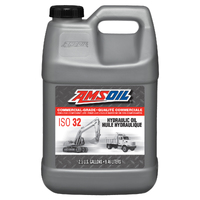
AMSOIL hydraulic oils are engineered to provide dependable lubrication and protection for industrial and mobile hydraulic systems. The range includes anti-wear, multi-viscosity, biodegradable and commercial-grade formulations, with products available across a variety of ISO viscosity grades and operating requirements.
Choose a hydraulic oil range below to find the appropriate formulation and ISO viscosity grade for hydraulic pumps, machinery and other compatible industrial and commercial equipment.
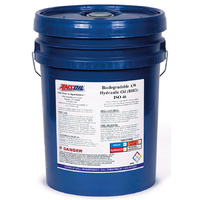
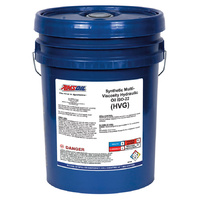
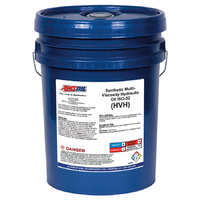
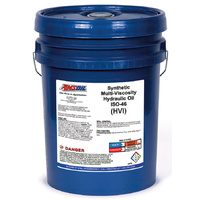
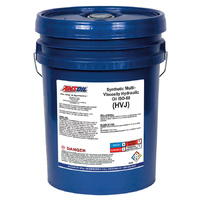
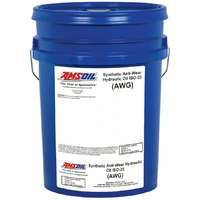
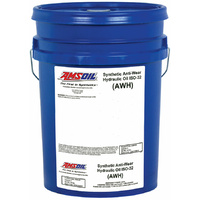
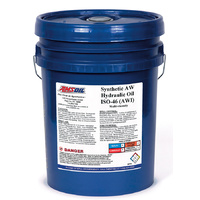
Hydraulic systems use pressurised fluid to transmit power while simultaneously lubricating pumps, motors, valves and other internal components. Although hydraulic oils can appear similar, the correct lubricant depends on more than simply choosing an ISO viscosity grade.
AMSOIL offers four distinct hydraulic-oil ranges for different operating requirements and commercial priorities: Synthetic Anti-Wear Hydraulic Oils, Synthetic Multi-Viscosity Hydraulic Oils, Biodegradable Hydraulic Oil and Commercial Grade Hydraulic Oils.
The best choice depends on the equipment manufacturer's requirements, operating temperature range, environmental conditions, maintenance strategy and the economics of the equipment being protected.
| Hydraulic Oil Range | Available Grades | Best Starting Point For |
|---|---|---|
| Synthetic Anti-Wear Hydraulic Oils | ISO 22, 32, 46 | Industrial and mobile hydraulic systems where premium synthetic anti-wear protection is desired and operating temperatures are relatively predictable |
| Synthetic Multi-Viscosity Hydraulic Oils | ISO 22, 32, 46, 68 | Mobile, outdoor and severe-service equipment operating across substantial temperature changes |
| Biodegradable Hydraulic Oil | ISO 46 | Forestry, land-management and other environmentally sensitive applications requiring an appropriate biodegradable hydraulic lubricant |
| Commercial Grade Hydraulic Oils | ISO 32, 46, 68 | Cost-conscious industrial, fleet and equipment applications where an appropriate conventional anti-wear hydraulic oil satisfies the requirements |
This table is a starting point rather than a substitute for the equipment specification. Always confirm the required hydraulic-fluid type, ISO viscosity grade and applicable manufacturer requirements before selecting a lubricant.
Industrial hydraulic oils are commonly identified by an ISO viscosity grade such as ISO 22, ISO 32, ISO 46 or ISO 68. These numbers describe viscosity ranges measured at 40°C; they are not performance or quality rankings.
ISO 22 is less viscous than ISO 32, which is less viscous than ISO 46 or ISO 68. A larger number does not mean that the oil provides greater protection or is better suited to heavy-duty equipment.
Correct viscosity is important because hydraulic fluid must be sufficiently viscous to provide lubrication and control internal leakage while remaining fluid enough to circulate efficiently through pumps, valves, filters and hydraulic lines.
Begin with the viscosity specified by the equipment manufacturer unless an appropriate alternative has been established for the particular machine and operating conditions.
AMSOIL Synthetic Anti-Wear Hydraulic Oils are the core premium synthetic option for hydraulic systems requiring an appropriate anti-wear fluid. They are available in ISO 22, ISO 32 and ISO 46.
These oils are suited to industrial and mobile hydraulic equipment where wear protection, oxidation resistance, system cleanliness and dependable long-term lubricant performance are important considerations.
For equipment operating within a relatively predictable temperature range, Anti-Wear Hydraulic Oil can provide a straightforward premium synthetic choice without requiring the broader temperature capability of a multi-viscosity formulation.
AMSOIL Synthetic Multi-Viscosity Hydraulic Oils are particularly useful where equipment experiences substantial changes in ambient and operating temperature. They are available in ISO 22, ISO 32, ISO 46 and ISO 68.
All oils become thicker as they get cold and thinner as they become hot. Multi-viscosity hydraulic oils are formulated with a high viscosity index to reduce the degree of this change, providing improved cold-temperature fluidity while maintaining protective viscosity as hydraulic-system temperatures rise.
This makes the range particularly attractive for mobile and outdoor machinery that may begin work cold and then operate for extended periods under substantial hydraulic load.
This is likely to be the most common choice between AMSOIL's premium hydraulic-oil ranges. Neither product family is automatically better for every hydraulic system.
If the equipment operates within a relatively stable temperature range and requires a conventional ISO viscosity grade, Synthetic Anti-Wear Hydraulic Oil is a logical starting point.
If the machine operates outdoors, starts in cold conditions or experiences substantial changes between ambient and full operating temperature, Synthetic Multi-Viscosity Hydraulic Oil may provide a meaningful advantage.
In both cases, select the appropriate ISO viscosity grade for the equipment rather than attempting to compensate for operating conditions simply by choosing a thicker or thinner oil.
AMSOIL Biodegradable ISO 46 Hydraulic Oil serves a different requirement. It is intended for applications where the consequences of lubricant entering the surrounding environment are an important consideration and an appropriate biodegradable hydraulic fluid is required.
Forestry is a particularly relevant example. Harvesters, excavators and other hydraulically operated machinery can work directly on unsealed ground and in environmentally sensitive areas while carrying substantial quantities of hydraulic oil through high-pressure hoses and connections.
A failed hose in these conditions can turn a routine mechanical failure into an environmental issue. Biodegradable hydraulic fluid is therefore selected because of the application's environmental requirements as well as its ability to perform as a hydraulic lubricant.
Biodegradable hydraulic oils are specialised products and are generally more expensive than conventional hydraulic fluids. Where biodegradable oil is required, comparisons should be made between suitable biodegradable products rather than expecting them to compete directly on price with conventional bulk hydraulic oil.
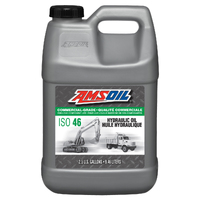
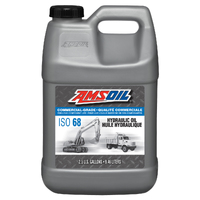
AMSOIL Commercial Grade Hydraulic Oils provide a more cost-conscious option for applications where an appropriate conventional anti-wear hydraulic fluid satisfies the equipment requirements. ISO 32, ISO 46 and ISO 68 grades are available.
This can be particularly relevant for businesses maintaining fleets or equipment with large hydraulic reservoirs, where lubricant requirements across multiple machines make price per litre an important operating consideration.
Not every hydraulic system requires the additional capabilities of a premium synthetic lubricant. Equipment utilisation, expected ownership period, service practices, operating environment and the financial consequences of downtime should all be considered when deciding whether the additional lubricant cost provides worthwhile value.
The economics can be quite different when the person purchasing the lubricant also owns the machine and carries the cost of its downtime and repairs.
A hydraulic pump, motor or control-valve failure can involve considerably more than the cost of replacement parts. Lost production, transport, labour and a machine sitting idle while repairs are completed can quickly outweigh differences in lubricant price.
For owner-operated machinery, critical production equipment and applications where reliability and component life are particularly important, the performance advantages of AMSOIL's premium Synthetic Anti-Wear or Multi-Viscosity Hydraulic Oils can therefore carry greater economic significance.
This does not mean that premium synthetic hydraulic oil is automatically required for every machine. It means the lubricant should be evaluated against the cost and operating requirements of the equipment it is protecting rather than on price per litre alone.
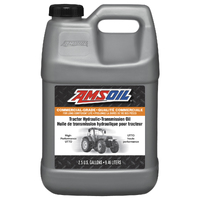
AMSOIL Commercial Grade Tractor Hydraulic-Transmission Oil is also available within the hydraulic-fluid range, but it should not be confused with a conventional ISO hydraulic oil.
Many tractors and agricultural machines use a multifunction fluid to operate hydraulic systems while also lubricating transmissions, final drives and other drivetrain components. Wet brakes and clutches can introduce additional friction requirements.
Where equipment specifies a tractor hydraulic-transmission fluid, ordinary ISO hydraulic oil should not be substituted simply because both products are used in hydraulic systems. Confirm the manufacturer's required tractor-fluid specifications before selecting a product.
Hydraulic systems can generate substantial heat during operation. As lubricant is repeatedly exposed to elevated temperatures and oxygen, oxidation can progressively degrade the oil and contribute to increasing viscosity, acids, sludge and varnish.
Varnish can be particularly troublesome in modern hydraulic systems because valves and control components may operate with extremely small internal clearances. Deposits that would appear insignificant elsewhere can interfere with component movement and system response.
Operating temperature, contamination, duty cycle and lubricant quality all influence hydraulic-oil service life. Maintaining appropriate oil temperature, filtration and contamination control can be just as important as selecting a high-quality lubricant.
Hydraulic systems can be contaminated by water, dirt and other materials through damaged seals, condensation, maintenance practices and the operating environment. Contamination can accelerate component wear and lubricant degradation regardless of the quality of the oil originally installed.
Good hydraulic-system maintenance therefore includes more than changing oil. Filters, breathers, seals, fill equipment and stored lubricant should all be managed to minimise contamination entering the system.
Do not assume that every hydraulic fluid can be mixed freely with every other product. Different base oils and additive systems can have different compatibility characteristics, and residual fluid can affect the performance of the replacement lubricant.
This is particularly important when changing lubricant chemistry or converting a system to a specialised biodegradable fluid. Check compatibility and follow appropriate drain, flushing or conversion procedures where required.
If you are unsure which AMSOIL hydraulic oil is appropriate, start by identifying the equipment make and model, required hydraulic-fluid specification, ISO viscosity grade and operating environment.
From there, consider what matters for the application:
The correct hydraulic oil is not necessarily the thickest, most expensive or most specialised product available. It is the lubricant whose viscosity, performance characteristics and commercial proposition make sense for the machine and the conditions in which it operates.


Add your favourites to cart

Select Afterpay at checkout

Log into or create your Afterpay account, with instant approval decision

Your purchase will be split into 4 payments, payable every 2 weeks
All you need to apply is to have a debit or credit card, to be over 18 years of age, and to be a resident of country offering Afterpay
Late fees and additional eligibility criteria apply. The first payment may be due at the time of purchase
For complete terms visit afterpay.com/terms