
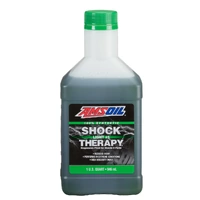
AMSOIL synthetic motorcycle fork oils are engineered to provide consistent, responsive suspension performance while protecting fork components against wear. Advanced synthetic formulations help maintain stable damping characteristics across changing temperatures and demanding riding conditions.
Browse the AMSOIL motorcycle fork oil range below for high-performance suspension fluids designed for street, touring, off-road and competition motorcycle applications.
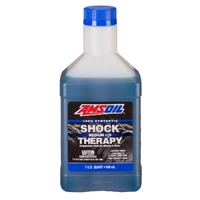
Motorcycle fork oil performs two important functions within a suspension system. It lubricates internal fork components while also acting as the hydraulic fluid that controls compression and rebound damping. Its viscosity and performance therefore have a direct influence on suspension behaviour as well as component protection.
AMSOIL synthetic motorcycle fork oils are formulated for street, touring, off-road and competition suspension applications, providing consistent damping performance while protecting internal components against wear and lubricant breakdown.
As the suspension compresses and rebounds, fork oil is forced through valves and small internal passages. The resistance to this flow contributes to the damping that controls how quickly the suspension moves.
Changing fork-oil viscosity can therefore alter suspension behaviour. A heavier fluid generally provides greater resistance to flow, while a lighter fluid flows more readily, but the resulting effect depends on the particular fork design, valving and suspension setup.
For routine servicing, use the viscosity recommended by the motorcycle or suspension manufacturer rather than changing fork-oil weight simply to compensate for an unrelated suspension problem.
Terms such as 5W, 10W and 15W are commonly used to describe motorcycle fork oils, but these weight designations should not be treated as directly comparable between every lubricant manufacturer. Products carrying the same nominal fork-oil weight can have different measured viscosities and may produce different damping characteristics.
This is particularly important when changing brands or tuning suspension. Where precise damping performance is required, compare the lubricant's published viscosity data rather than relying solely on the weight printed on the bottle.
Fork oil experiences repeated shearing as it passes through suspension valving and can also become hot during demanding riding. Changes in viscosity can alter damping characteristics, affecting suspension consistency as operating conditions change.
A high-quality synthetic fork oil provides strong viscosity stability and resistance to lubricant breakdown, helping the suspension maintain more consistent damping performance throughout demanding street, touring, off-road and competition use.
In addition to controlling damping, fork oil lubricates bushings, sliding surfaces, seals and other internal suspension components. Appropriate lubrication helps reduce friction and wear while supporting smooth fork movement.
Fork oil must also resist foaming and aeration. Air entrained within the fluid can affect hydraulic damping because air is compressible, reducing the consistency of suspension response.
Correct fork-oil quantity or oil height is an important part of suspension servicing. The air space above the oil acts as an additional spring as the fork compresses, meaning an incorrect oil level can affect suspension behaviour even when the correct viscosity is being used.
Follow the motorcycle or suspension manufacturer's procedure for measuring oil quantity or oil height, and ensure both fork legs are serviced consistently unless the suspension design specifies otherwise.
Fork oil deteriorates through heat, mechanical shearing and contamination generated during normal suspension operation. As the fluid ages, changes in viscosity and contamination can affect both lubrication and damping performance.
Service intervals vary according to the motorcycle, suspension design and type of use. Competition and demanding off-road applications may require substantially more frequent servicing than normal road motorcycles.
Select fork oil according to the viscosity and service requirements specified by the motorcycle or suspension manufacturer. Where suspension settings have been modified, follow the recommendations of the suspension tuner or component manufacturer rather than assuming that a heavier or lighter fluid will automatically improve performance.


Add your favourites to cart

Select Afterpay at checkout

Log into or create your Afterpay account, with instant approval decision

Your purchase will be split into 4 payments, payable every 2 weeks
All you need to apply is to have a debit or credit card, to be over 18 years of age, and to be a resident of country offering Afterpay
Late fees and additional eligibility criteria apply. The first payment may be due at the time of purchase
For complete terms visit afterpay.com/terms