
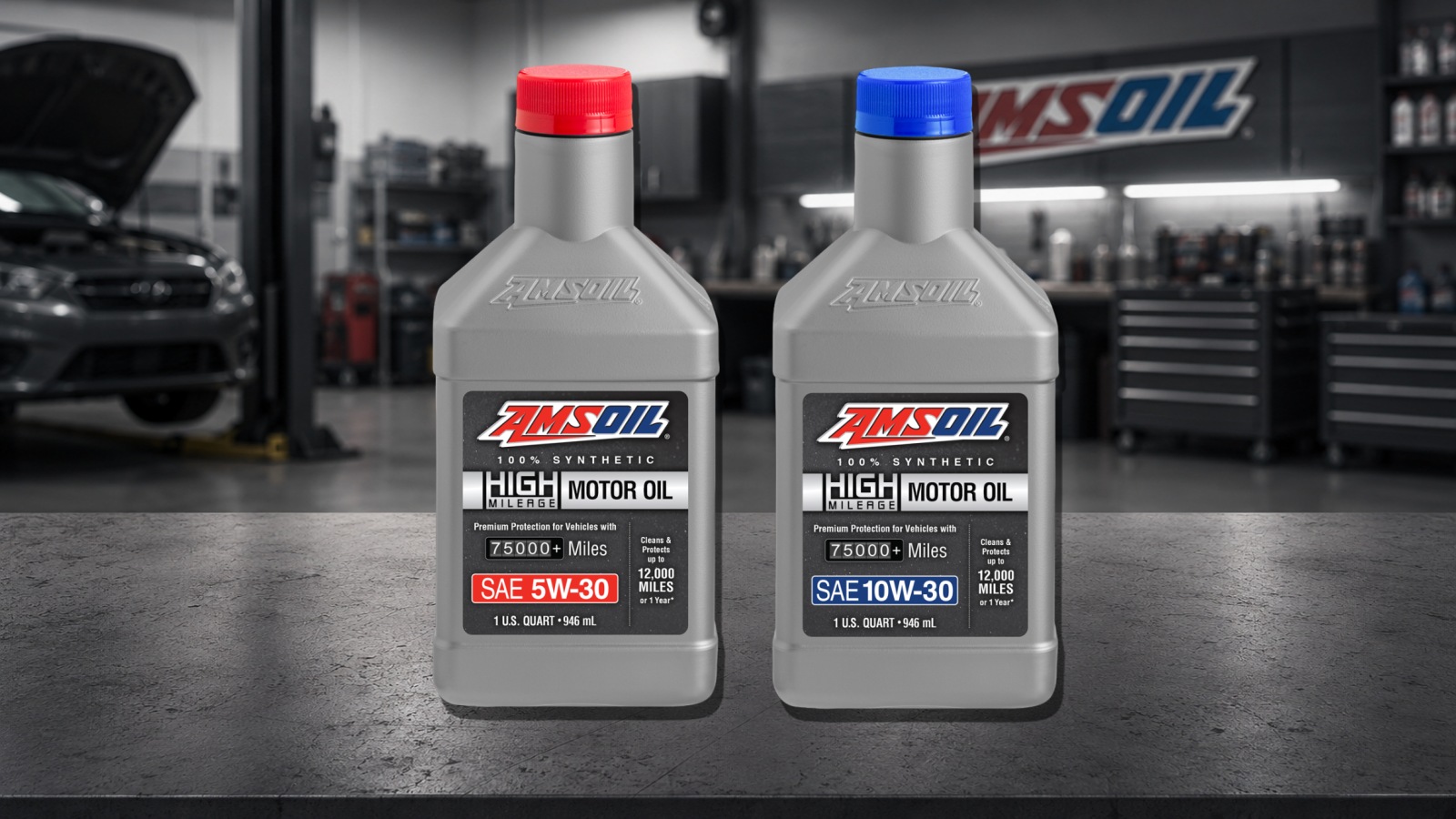
High-mileage engine oils are marketed specifically for older vehicles and engines that have accumulated significant kilometres. They promise benefits such as reduced oil consumption, improved seal protection and better control of sludge and deposits.
But is high-mileage oil genuinely different from ordinary engine oil, or is it simply another label designed to sell oil to owners of older cars?
A properly formulated high-mileage engine oil is not a gimmick. It can use different additive chemistry and formulation priorities to address problems commonly encountered as engines accumulate kilometres. It cannot repair mechanical damage, but it can help manage some of the symptoms associated with an ageing engine.
What Is High-Mileage Engine Oil?
High-mileage engine oil is formulated specifically with older engines in mind. Rather than simply increasing one particular additive, a purpose-built high-mileage oil can combine enhanced seal conditioning, deposit control, volatility resistance and viscosity stability to address several problems that become more common as an engine ages.
There is no exact odometer reading at which an engine suddenly becomes "high mileage". Its condition depends on its design, maintenance history and how it has been operated. An engine with relatively modest kilometres but a poor maintenance history may benefit from additional protection, while a well-maintained engine with considerably more kilometres may remain in excellent condition.
Why Do Older Engines Have Different Lubrication Needs?
Engines do not remain mechanically identical throughout their lives. Seals age, deposits can accumulate and normal wear gradually changes clearances between moving components.
None of this necessarily means an older engine is worn out. Modern engines can remain reliable for hundreds of thousands of kilometres when properly maintained. It does mean, however, that the lubricant may have a slightly different set of problems to manage than it did when the engine was new.
1. Increased Oil Consumption
Oil consumption can become more noticeable as an engine accumulates kilometres. Wear around piston rings, cylinder walls and valve guides can contribute to increased oil consumption, while oil can also be lost through ageing seals and gaskets.
The volatility of the lubricant can also influence oil consumption. Oil that more readily evaporates at high operating temperatures can contribute to consumption even when there is no obvious external leak.
A quality high-mileage synthetic oil can be formulated for low volatility and strong resistance to high-temperature breakdown, helping reduce lubricant loss attributable to the oil itself.
Engine oil cannot repair worn piston rings, damaged cylinder walls or failed valve-stem seals. A sudden or excessive increase in oil consumption should be investigated rather than treated simply by changing lubricant.
2. Ageing Engine Seals
Elastomer seals can harden, shrink or lose flexibility as they age. This can contribute to the small oil leaks commonly seen in older engines.
Purpose-built high-mileage oils can contain enhanced seal-conditioning additives designed to help maintain the flexibility and effectiveness of ageing seals. In some cases this can help reduce minor seepage associated with seal condition.
Seal conditioners should not be confused with a mechanical repair. They cannot fix a torn seal, damaged gasket or badly worn sealing surface. Their role is to help maintain compatible seals and counter some of the changes that occur as elastomers age.
3. Sludge and Deposits
Older engines can contain deposits accumulated over many years of operation. Excessive heat, oxidation, extended oil-change intervals, short-trip operation and poor maintenance can all contribute to sludge and deposit formation.
Deposits can interfere with oil circulation, restrict piston-ring movement and contaminate internal engine components. A quality high-mileage oil can use a robust detergent and dispersant system to help control deposits and gradually clean contaminated surfaces while the engine operates.
This is particularly useful in a used vehicle with an uncertain service history, where the condition of the engine may not reflect the number displayed on the odometer.
4. Wear, Clearances and Compression
As piston rings, cylinder walls and other components wear, the clearances between them can increase. Excessive wear can contribute to combustion gases passing the piston rings, commonly known as blow-by, along with reduced compression and increased oil consumption.
Engine oil cannot reverse this mechanical wear. What it can do is maintain an appropriate lubricating film between components. Strong viscosity stability and resistance to high-temperature thinning help the lubricant maintain that film under demanding operating conditions.
This distinction is important: a high-mileage oil can help protect an ageing engine and manage some symptoms of normal ageing, but it is not an alternative to repairing an engine with significant mechanical wear.
Does High-Mileage Oil Need to Be Thicker?
Not necessarily. An engine accumulating kilometres does not automatically mean it should be switched to a higher viscosity grade.
Viscosity should normally be selected according to the vehicle manufacturer's recommendations and the condition and use of the engine. Moving to a thicker oil without a technical reason can change cold-start flow and other lubrication characteristics without addressing the actual cause of oil consumption or low oil pressure.
High-mileage oil can provide additional protection while remaining within the viscosity grade specified for the engine.
When Should You Start Using High-Mileage Oil?
There is no universal kilometre threshold. Figures such as 120,000 or 150,000 km are useful marketing categories, but engine condition matters more than the odometer alone.
A high-mileage formulation may be worth considering when an engine begins to show signs associated with age, including minor seal seepage, increased oil consumption or deposits, or when maintaining an older vehicle for the long term is the priority.
It can also be a sensible preventative choice for a healthy older engine, provided the oil has the correct viscosity and meets the specifications required for the vehicle.
Can You Use High-Mileage Oil in a Newer Engine?
A high-mileage label does not automatically make an oil unsuitable for a lower-kilometre engine. The important questions remain whether the lubricant has the correct viscosity and meets the engine's required performance specifications.
However, a healthy newer engine may simply have no need for the additional formulation features targeted at ageing seals and high-mileage operation. In that application, a conventional passenger-car synthetic oil may be the more appropriate choice.
AMSOIL High-Mileage 100% Synthetic Motor Oil
AMSOIL High-Mileage 100% Synthetic Motor Oil is purpose-built for older engines rather than simply being a standard engine oil carrying a high-mileage label. Its formulation is designed to address common problems associated with ageing engines, including deposits, oil consumption and seal condition.
AMSOIL High-Mileage Motor Oil combines synthetic base oils with boosted detergency and an additive system designed to resist oil breakdown while helping protect and condition ageing engine seals.
Can High-Mileage Oil Actually Clean an Engine?
Detergent and dispersant additives are an important part of controlling sludge and deposits. In an engine that already contains deposits, an appropriately formulated oil can progressively help remove contamination while preventing additional material from accumulating.
In AMSOIL testing, High-Mileage 100% Synthetic Motor Oil demonstrated a 67% reduction in sludge, illustrating the cleaning performance of its detergent system.
Cleaning an engine through normal lubricant operation is different from attempting to rapidly flush a heavily contaminated engine. Engines with severe sludge accumulation may require inspection or other corrective maintenance.
So, Is High-Mileage Engine Oil Worth It?
For a healthy engine that has accumulated significant kilometres, high-mileage oil can provide useful additional protection aimed specifically at keeping that engine in service for longer.
For an engine beginning to show minor age-related symptoms, features such as seal conditioning, strong deposit control, low volatility and viscosity stability can be particularly useful.
What high-mileage oil cannot do is rebuild a worn engine. Significant oil consumption, poor compression, low oil pressure or major leaks are mechanical problems that should be properly diagnosed.
High-mileage engine oil isn't magic, but a genuine high-mileage formulation isn't just marketing either. Its value comes from targeting the lubrication problems that become more common as engines age while continuing to provide the viscosity and specifications the engine requires.
To find the correct AMSOIL engine oil for your vehicle, use the AMSOIL Vehicle Finder. If you're unsure what the specifications listed for your engine mean, see our Engine Oil Standards Guide.
Oil Information & Technical Guides
Explore our oil knowledge base with practical guides covering oil standards, viscosity, base-oil technology and application-specific specifications.