An engine knock, tick or ping can have several very different causes. Some noises are related to abnormal combustion, while others come from mechanical clearance, oil pressure or worn internal components.
The sound itself is only part of the diagnosis. When the noise occurs — under acceleration, at idle, during cold start or when the engine is hot — can provide important clues.
A metallic ping under load may indicate abnormal combustion. A ticking noise can come from the valvetrain or oil-pressure-related components. A deep knocking sound from the lower engine can indicate bearing wear and should be treated seriously.
Is It a Knock, Tick or Ping?
Drivers often use the words knock, tick and ping interchangeably, but they can describe very different problems.
A light metallic rattle or ping during acceleration can be related to combustion. A repetitive ticking sound may come from the valvetrain, injectors or other moving components. A deeper, heavier knock can indicate excessive clearance in bearings or other serious mechanical wear.
The circumstances in which the noise appears are often more useful than the description alone.
1. Combustion Knock or Pinging
One common source of a knocking or pinging sound is abnormal combustion inside the cylinder.
In a correctly operating petrol engine, the spark plug ignites the air-fuel mixture at a carefully controlled point in the combustion cycle. The flame then travels across the combustion chamber in a controlled manner.
When combustion occurs abnormally, pressure can rise very rapidly and create pressure waves inside the cylinder. These can produce the metallic pinging or rattling noise commonly referred to as engine knock or detonation.
What Is Detonation?
Detonation occurs after the spark plug has initiated normal combustion. Instead of the remaining air-fuel mixture burning progressively, part of it auto-ignites due to excessive temperature and pressure.
The resulting pressure waves can produce the characteristic metallic ping or rattle often heard under heavy load or acceleration.
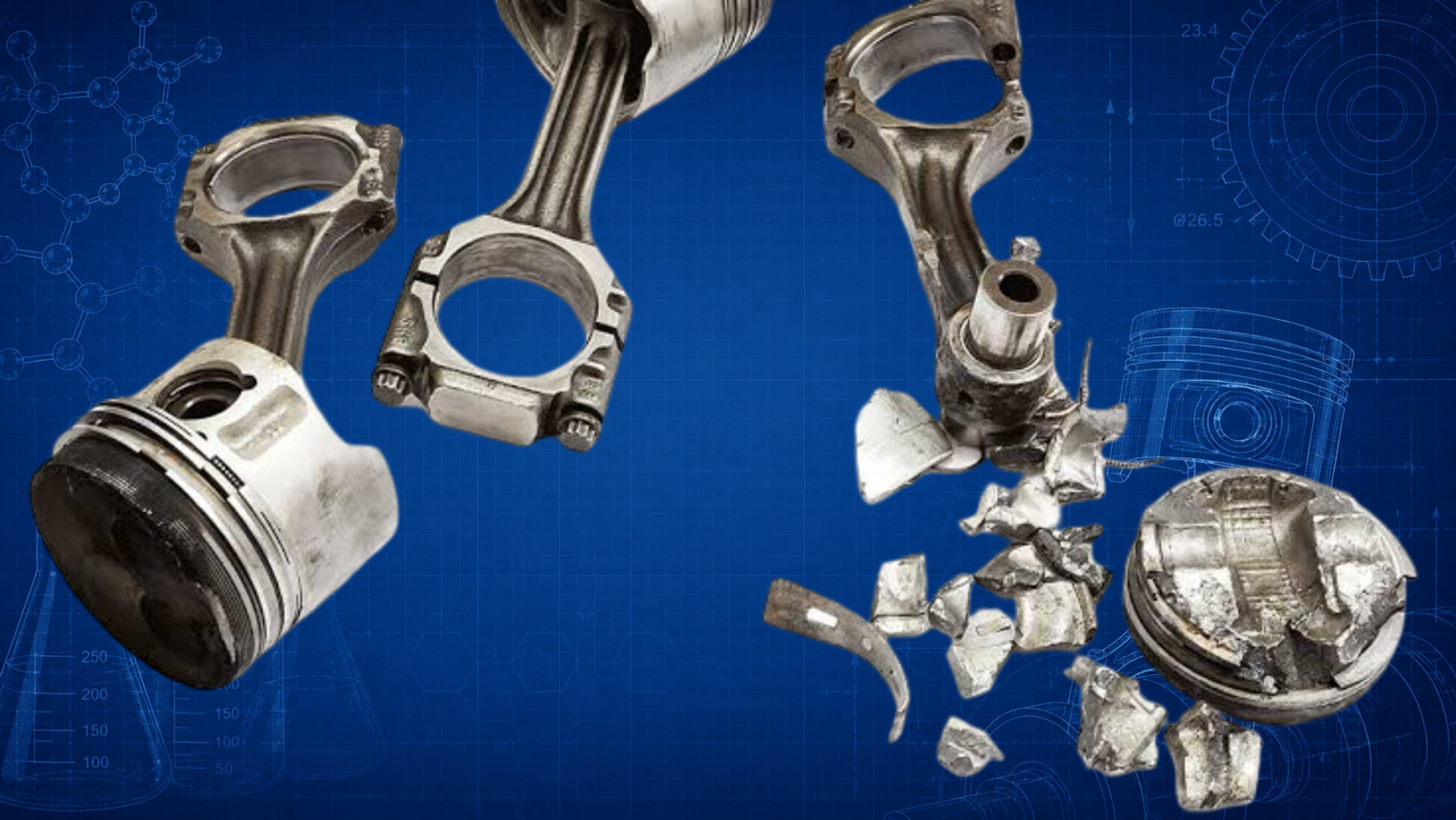
Repeated severe detonation can damage pistons, rings and other combustion-chamber components.
What Causes Detonation?
Possible contributing factors include:
- Fuel with an octane rating lower than the engine requires.
- Excessive combustion-chamber temperature.
- Incorrect ignition timing.
- Excessive boost or cylinder pressure in modified engines.
- Carbon deposits that reduce combustion-chamber volume or increase local temperatures.
- Engine-management or sensor faults.
Modern engine-management systems can often detect knock and reduce ignition timing to protect the engine. This can reduce power and efficiency even if obvious damage does not occur.
What Is Pre-Ignition?
Pre-ignition is different from detonation. It occurs when the air-fuel mixture begins burning before the spark plug fires.
A hot spot inside the combustion chamber, such as an overheated component or deposit, can ignite the mixture prematurely.
Because combustion begins too early, cylinder pressure can rise while the piston is still travelling upward. Severe pre-ignition can place extreme mechanical and thermal stress on the engine.
Detonation occurs after the spark has initiated combustion. Pre-ignition occurs before the spark plug fires. They are different abnormal-combustion events, even though both can damage an engine.
What About LSPI?
Low-speed pre-ignition, or LSPI, is a specific abnormal-combustion phenomenon associated particularly with some turbocharged, direct-injected petrol engines operating at low engine speed and high load.
LSPI can create extremely high cylinder pressures and may cause severe engine damage. Modern engine-oil specifications include performance requirements intended to help reduce the risk of LSPI in susceptible engines.
For more information, see our guide to low-speed pre-ignition (LSPI).
Can Fuel Octane Stop Engine Knock?
If the engine is knocking because the fuel octane rating is too low for the engine's requirements, using the correct higher-octane fuel may help.
However, octane is not a cure for every type of engine noise. Mechanical wear, incorrect ignition timing, overheating, lean operation or other faults will not necessarily be corrected simply by changing fuel.
If a vehicle suddenly begins knocking on the same fuel it has always used, the cause should be investigated.
Can Carbon Deposits Cause Knock?
Combustion-chamber deposits can contribute to abnormal combustion by creating hot spots or effectively increasing the engine's compression ratio.
A suitable fuel-system cleaner can help control certain types of deposit in the fuel and combustion system, but it should not be treated as a universal cure for persistent engine knock.
AMSOIL P.i. Performance Improver is designed to help remove fuel-system and combustion-chamber deposits in petrol engines where its use is appropriate.
2. Valvetrain Ticking
A ticking noise from the upper part of the engine can be associated with the valvetrain.
The valvetrain includes components such as camshafts, lifters, followers, rocker arms, valves and associated hardware. These parts operate with carefully controlled clearances while repeatedly opening and closing the engine's valves.
Excessive clearance, wear or problems with hydraulic components can create an audible ticking or tapping sound.
Why Does Valvetrain Noise Sometimes Occur at Cold Start?
Some engines use hydraulic lifters, lash adjusters or other oil-pressure-operated components. After the engine has been switched off for an extended period, oil can drain away from parts of the valvetrain.
A brief ticking noise immediately after cold start can sometimes occur while oil pressure builds and lubricant reaches these components.
Persistent ticking, increasing noise or noise that continues once the engine is warm may indicate wear, incorrect valve clearance, restricted oil flow, low oil pressure or a faulty hydraulic component.
Using a higher-viscosity oil to mask valvetrain noise can create other lubrication problems. Use the viscosity specified for the engine unless there is a valid technical reason to change it.
Can Engine Oil Affect Valvetrain Noise?
Engine oil can influence the operation of hydraulic valvetrain components because they depend on correct oil pressure, clean oil passages and suitable viscosity.
An oil that is badly degraded, excessively diluted or incorrect for the application may contribute to poor hydraulic operation.
However, lubricant cannot repair worn cam lobes, damaged lifters or excessive mechanical clearance. Persistent ticking should be diagnosed rather than assumed to be an oil-quality problem.
3. Rod Knock and Bearing Noise
A deeper knocking sound from the lower part of the engine can be more serious.
Connecting rods rotate around journals on the crankshaft with a precisely controlled oil clearance between the bearing surfaces. Engine oil forms a pressurised film that helps keep those surfaces separated during operation.
If the bearing clearance becomes excessive due to wear or damage, the connecting rod can move against the crankshaft with greater force, producing a deep knocking sound commonly referred to as rod knock.
What Causes Rod Knock?
Possible causes include bearing wear, oil starvation, loss of oil pressure, contamination, incorrect bearing clearance, severe overheating or previous lubrication failure.
Once bearing clearances have become excessive, changing engine oil will not restore the damaged bearing surface.
A deep, persistent knock from the lower engine can indicate significant bearing damage. Continuing to operate the engine may lead to crankshaft damage, bearing failure or catastrophic engine failure.
Can Low Oil Pressure Cause Engine Noise?
Yes. Many engine components depend on pressurised oil to maintain lubrication and, in some cases, hydraulic operation.
Low oil level, a failing oil pump, restricted pickup, excessive bearing clearance, incorrect viscosity or severe oil degradation can all contribute to reduced oil pressure.
An illuminated oil-pressure warning light combined with new engine noise should be treated as a serious condition.
Can the Wrong Engine Oil Cause Knocking or Ticking?
Using the wrong viscosity or an oil that does not meet the engine's required specification can affect lubrication performance, particularly during cold start or high-temperature operation.
That does not mean every engine noise can be fixed by changing lubricant. Mechanical faults, worn components and abnormal combustion require proper diagnosis.
The correct starting point is always to use an engine oil with the viscosity and performance specification required for the vehicle.
When Should You Stop Driving?
Not every tick or ping means immediate engine failure, but some symptoms deserve urgent attention.
Stop operating the engine and investigate if the noise is severe, suddenly appears, is accompanied by low oil pressure, overheating, misfiring, loss of power or becomes rapidly worse.
A mechanical knock from the lower engine should also be treated much more seriously than a brief light tick immediately after cold start.
How to Approach an Engine Knock
- Check the engine-oil level and investigate any oil-pressure warning.
- Confirm the correct fuel octane is being used.
- Note when the noise occurs — cold, hot, idle, acceleration or high load.
- Check for fault codes or other engine-management symptoms.
- Do not assume oil or fuel additives will repair mechanical damage.
- Have persistent or severe noise diagnosed before further damage occurs.
Engine knock is a description, not a diagnosis. A metallic ping under load may indicate abnormal combustion, a ticking noise may come from the valvetrain and a deep lower-engine knock can indicate serious bearing wear. Identifying when and where the noise occurs is the first step toward finding the real cause.
To find the correct engine oil for your vehicle, use the AMSOIL Vehicle Finder. For more information about modern petrol-engine oil requirements, visit our Engine Oil Standards Guide.
Oil Information & Technical Guides
Explore our oil knowledge base with practical guides covering oil standards, viscosity, base-oil technology and application-specific specifications.