
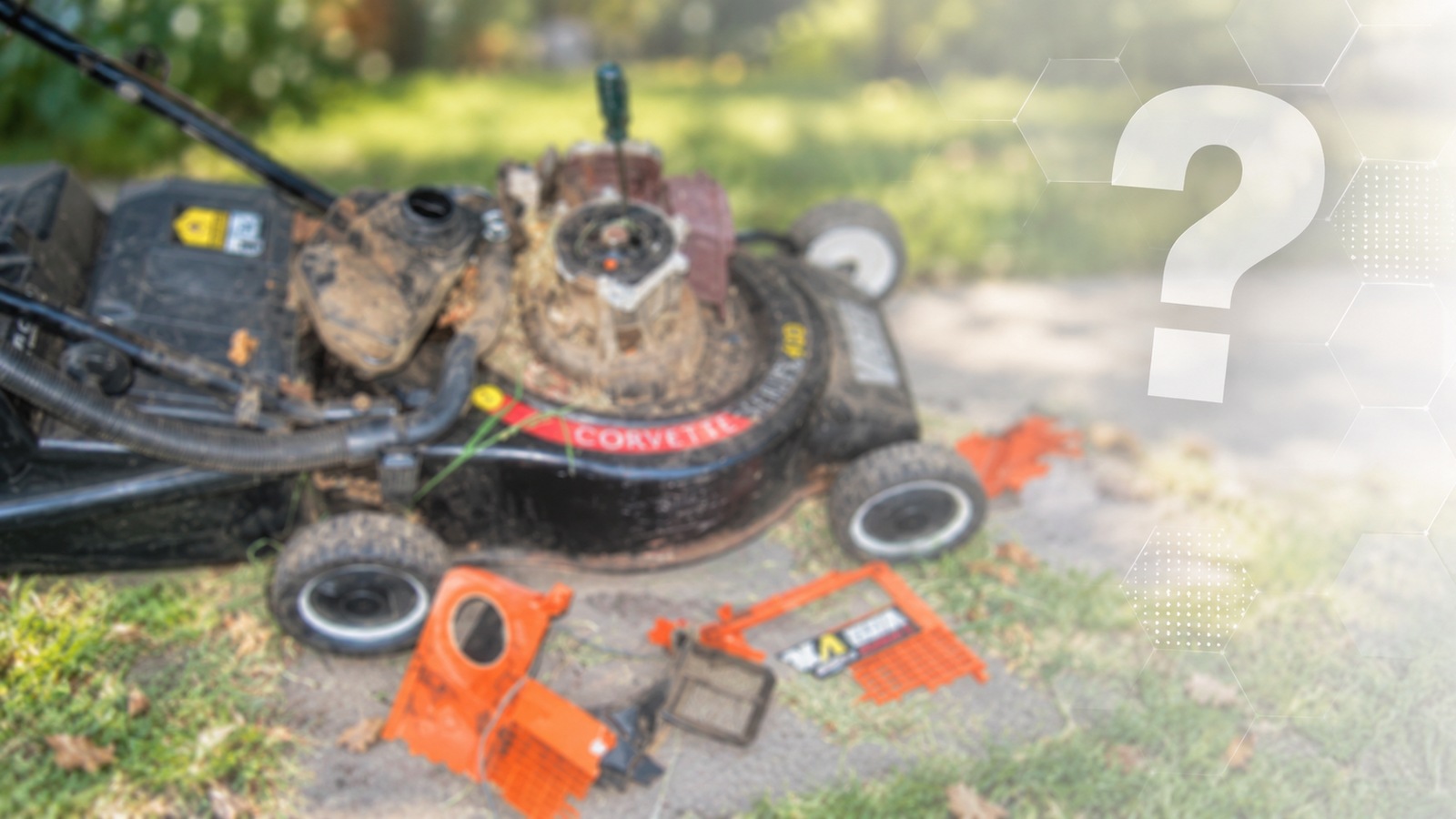
Few things are more frustrating than pulling the starter cord on a lawn mower that ran perfectly well the last time you used it — only to get absolutely nothing.
Small petrol engines are mechanically simple compared with modern automotive engines, but they still need the same basic ingredients to run: fuel, air, spark and compression. If the engine will not start, one or more of those ingredients is usually missing or arriving in the wrong amount.
For lawn mowers and other equipment that spends weeks or months sitting unused, fuel-related problems are particularly common. Before assuming the engine has suffered a major mechanical failure, there are several simple things worth checking.
Start With the Obvious Stuff
Before dismantling the carburettor or ordering parts, check the simple things first.
Make sure there is actually fuel in the tank, the fuel shut-off valve is open if one is fitted and the engine controls are in the correct starting position. Check that any safety handle, seat switch or other starting interlock is being operated correctly.
If the mower uses a primer bulb, choke or separate throttle control, follow the manufacturer's cold-start procedure. Too little enrichment can prevent a cold engine from starting, while repeated unsuccessful starting attempts with excessive choke can flood the engine with fuel.
It sounds painfully basic, but eliminating the easy possibilities first can save a considerable amount of unnecessary troubleshooting.
Old Fuel Is One of the Most Common Problems
A lawn mower may only operate for part of the year, which means the petrol in its tank and carburettor can spend long periods sitting unused.
Petrol does not remain unchanged indefinitely. During storage, lighter components can evaporate and the fuel can oxidise and degrade. Deposits, gum and varnish can form, particularly in the small fuel passages found inside a carburettor.
The engine may have run perfectly when it was parked, yet be difficult or impossible to start several months later.
If the fuel is old or its condition is questionable, replacing it with fresh petrol is one of the most sensible first steps.
Why Carburettors Are Particularly Vulnerable
Many lawn mowers, generators, pressure washers and other small engines still use carburettors rather than electronic fuel injection.
A carburettor meters fuel through very small jets and passages. It does not take a large amount of contamination or deposit formation to interfere with fuel flow through these openings.
The fuel remaining inside the carburettor bowl can also deteriorate while the machine is stored. If enough varnish or residue forms around a jet, the engine may receive insufficient fuel to start or run correctly.
Typical symptoms can include difficult starting, an engine that only runs with the choke applied, surging, hesitation or an engine that starts briefly and then stops.
Can a Fuel Additive Help?
A suitable fuel-system cleaner can help remove or control deposits where contamination is relatively minor. It can also be useful as preventative maintenance in equipment that regularly spends time sitting between uses.
AMSOIL Quickshot is designed specifically for motorcycles, powersports equipment and small engines. It helps clean carburettors and injectors, controls gum and varnish formation and helps address fuel-related problems associated with equipment that is operated intermittently.
Quickshot can be particularly useful where an engine still runs but suffers from symptoms associated with fuel-system deposits, or as part of a maintenance routine intended to keep the fuel system clean.
However, an additive cannot physically clear a completely blocked jet or repair a damaged carburettor. If fuel cannot pass through the carburettor at all, mechanical cleaning or repair may be required.
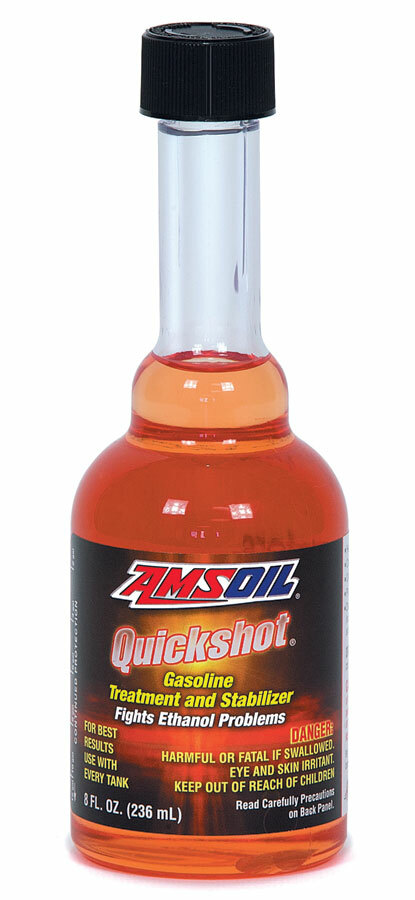
AMSOIL Quickshot
Fuel treatment designed for motorcycles, lawn equipment, generators, powersports vehicles and other intermittently used petrol engines.
View ProductCheck the Spark Plug
If the engine has fresh fuel but still refuses to start, the spark plug is another logical place to look.
Remove the plug and inspect its condition. Heavy carbon deposits, oil fouling, excessive wear or an incorrect electrode gap can interfere with reliable ignition.
The condition of the plug can also provide clues about what is happening inside the engine. A plug that is wet with petrol after repeated starting attempts may indicate that fuel is reaching the cylinder but is not being ignited. A completely dry plug may point towards a fuel-delivery problem.
Spark plugs are relatively inexpensive service items, so replacing a worn or badly fouled plug with the correct type specified by the engine manufacturer is often worthwhile.
Check the Air Filter
An engine needs air as well as fuel. Lawn equipment operates in an environment filled with dust, grass clippings and other airborne debris, so its air filter can accumulate contamination surprisingly quickly.
A severely restricted air filter reduces the amount of air entering the engine and can result in an excessively rich air-fuel mixture, poor running, loss of power and difficult starting.
Inspect the filter and service or replace it according to the manufacturer's instructions. Paper elements generally require replacement when excessively dirty or damaged, while some foam filters are designed to be cleaned and re-oiled.
Do not operate the engine without its air filter simply because it starts more easily without one. The filter is what prevents abrasive dirt from being drawn directly into the engine.
Check the Engine Oil Level
Engine oil is not usually the first cause people associate with a mower that refuses to start, but its level is still worth checking.
Some small engines incorporate a low-oil shutdown system that prevents the engine from running when the oil level falls below a safe point. This feature is particularly common on generators and other stationary equipment, although its use varies between engine designs.
Too much oil can also create problems. An overfilled crankcase can contribute to oil entering the breather system or combustion chamber, potentially resulting in smoke, plug fouling and poor running.
Check the oil on level ground using the procedure specified by the engine manufacturer, and maintain the level within the recommended range.
Small Engines Work Harder Than They Look
A lawn mower engine may appear basic, but its operating conditions can be surprisingly severe.
Many small engines are air-cooled rather than liquid-cooled. They can spend long periods operating at relatively high engine speed while surrounded by hot air, dust and grass debris. Cooling fins can become obstructed and oil temperatures can rise considerably during demanding operation.
Unlike a car engine, which often spends much of a journey operating under relatively light load, a mower may work continuously against the resistance of the cutting deck while operating in hot ambient conditions.
That makes correct oil selection and regular oil-level checks important even though the engine itself may only contain a relatively small quantity of lubricant.
Use the Correct Engine Oil
Always start with the viscosity and performance requirements specified by the engine or equipment manufacturer.
Small-engine oils have to protect against wear, heat, deposits and oil consumption in engines that may operate under sustained load with limited oil capacity and air cooling.
AMSOIL 10W-30 100% Synthetic Small-Engine Oil is formulated for petrol and diesel small engines used in applications including lawn and garden equipment, generators, pumps, compressors and other commercial or residential equipment where the viscosity is appropriate.
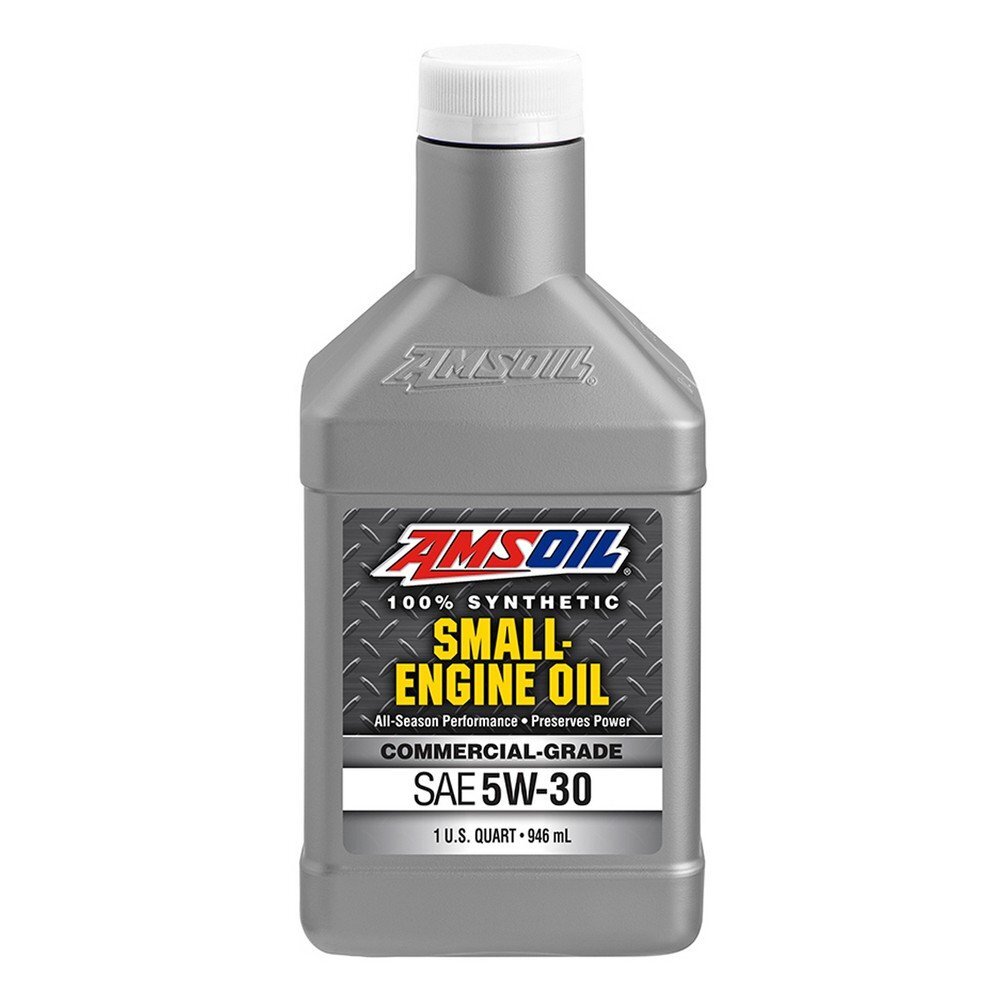
AMSOIL 10W-30 100% Synthetic Small-Engine Oil
Synthetic engine oil formulated for the demanding operating conditions encountered by lawn equipment, generators and other small engines.
View ProductClean the Cooling System
Because many mower engines rely on airflow for cooling, keeping the cooling system clean is part of engine maintenance.
Grass clippings, dust and other debris can accumulate around cooling fins and air passages. If airflow is restricted, operating temperatures can increase and place additional stress on the engine and lubricant.
With the engine switched off and cool, periodically inspect accessible cooling areas and remove accumulated debris according to the equipment manufacturer's maintenance instructions.
What If the Engine Has Fuel, Air and Spark?
If fresh fuel is reaching the cylinder, the air intake is clear and the ignition system is producing a healthy spark, the problem may require more detailed diagnosis.
An engine also requires sufficient compression and correct mechanical timing to run. Valve problems, internal wear, a damaged head gasket, incorrect valve clearance or other mechanical faults can result in difficult starting or complete failure to start.
At that point, repeatedly replacing fuel, spark plugs or adding cleaners is unlikely to solve the underlying problem. Compression testing and further mechanical inspection may be necessary.
Preventing the Same Problem Next Season
The easiest small-engine starting problem to fix is the one that never develops.
Before equipment is stored for an extended period, follow the manufacturer's storage procedure. Depending on the equipment, this may involve treating the petrol with a suitable fuel stabiliser or draining the fuel system.
Change the engine oil when required, clean or replace the air filter, inspect the spark plug and remove grass and debris from cooling areas. Equipment stored clean and properly prepared is much more likely to start when it is needed again.
Where petrol will remain in the tank during storage, a dedicated fuel stabiliser can help slow oxidation and the formation of gum and varnish.
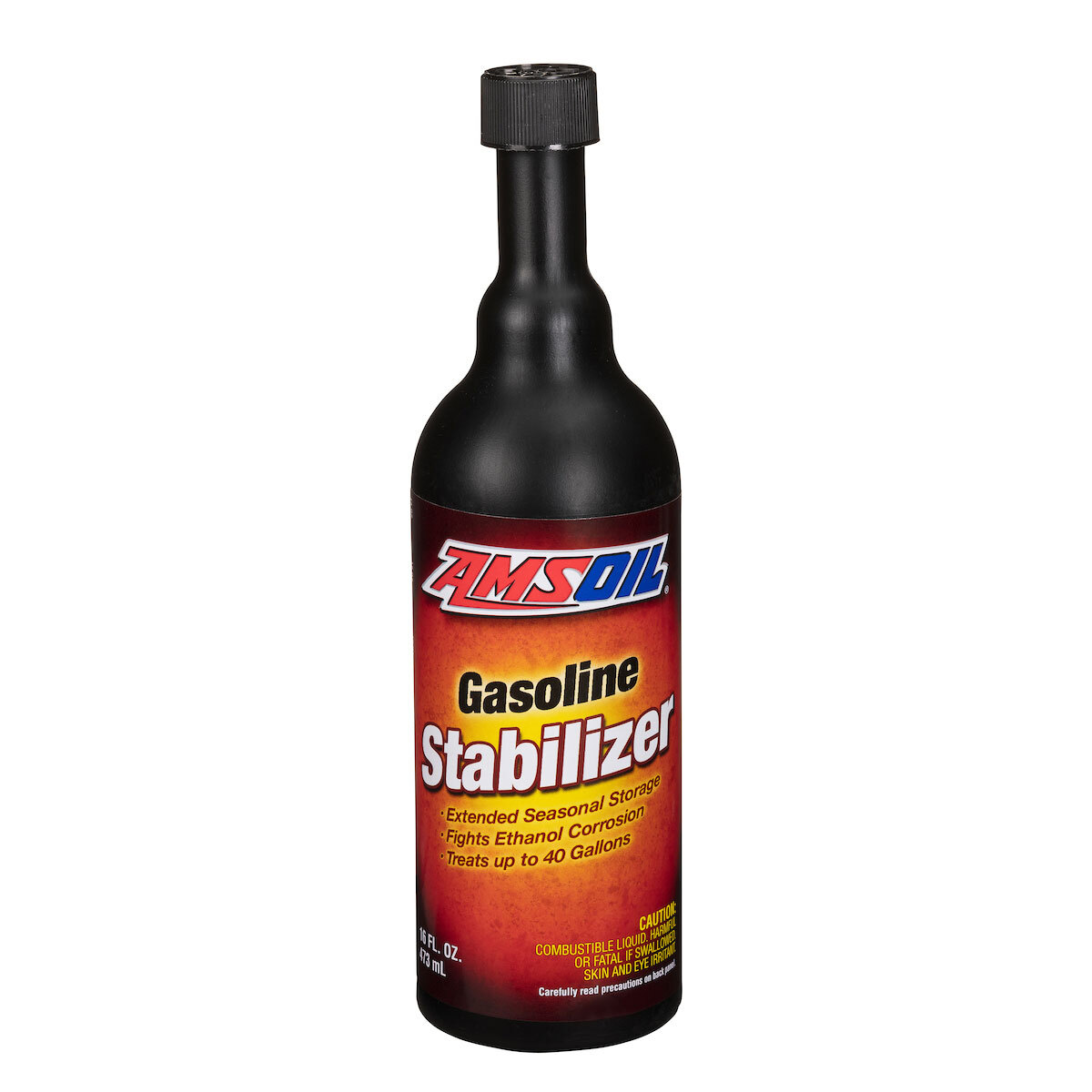
AMSOIL Gasoline Stabilizer
Designed to help protect petrol against deterioration during storage and reduce the formation of gum and varnish.
View ProductA Simple Troubleshooting Order
| Check | What to Look For |
|---|---|
| 1. Controls | Fuel valve, choke, safety interlocks and correct starting procedure. |
| 2. Fuel | Old or contaminated petrol, blocked fuel supply or carburettor deposits. |
| 3. Spark Plug | Fouling, wear, incorrect gap or lack of ignition spark. |
| 4. Air Filter | Heavy contamination or airflow restriction. |
| 5. Engine Oil | Oil level too low or too high and operation of any low-oil shutdown system. |
| 6. Mechanical Condition | Compression, valve operation and other mechanical faults if the basic checks are satisfactory. |
The Bottom Line
When a lawn mower or other small petrol engine refuses to start after sitting unused, do not immediately assume the engine is dead.
Start with the basics. Make sure the controls are correctly set, replace questionable old fuel, inspect the spark plug and air filter and check the engine oil level. For equipment that spends significant periods in storage, pay particular attention to the condition of the fuel and carburettor.
Fuel-system cleaners can help with minor deposits and preventative maintenance, but they cannot repair a completely blocked carburettor or mechanical fault. If the engine has fuel, air and spark but still refuses to run, further diagnosis is required.
And once you get it running again, a little maintenance before the next period of storage can make the difference between a mower that starts on the first few pulls and one that makes you seriously consider setting fire to the lawn instead.
Small Engine Guides
Practical information for maintaining lawn mowers, generators and other small-engine equipment, from choosing the correct oil to solving common fuel and starting problems.