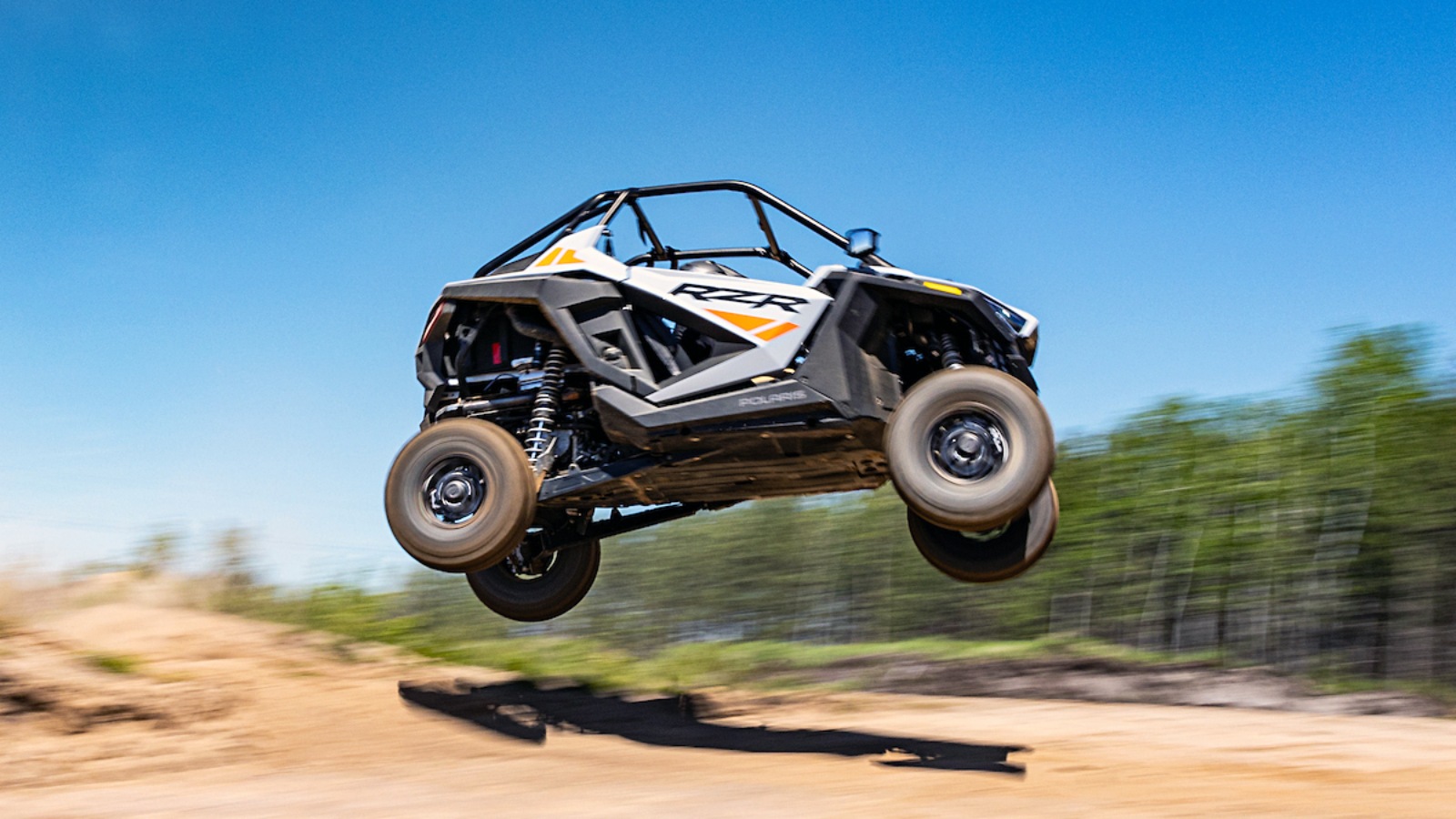
Quad bikes and side-by-sides operate in some of the harshest conditions faced by recreational and utility vehicles. Dust, mud, water, low-speed operation, heavy loads and high temperatures can all place extra demands on the engine, driveline and cooling system.
In North America these vehicles are commonly described as ATVs (All-Terrain Vehicles) and UTVs (Utility Terrain Vehicles). In Australia, you're more likely to hear them called quad bikes and side-by-sides.
Whatever you call them, regular maintenance is particularly important. Here are seven areas worth checking to help keep your machine reliable.
A quad bike or side-by-side may travel relatively few kilometres while accumulating plenty of hard operating hours. Low-speed work, towing, dust, mud and repeated short trips can make operating conditions more important than distance travelled.
1. Check and Change the Engine Oil
Engine oil is an obvious maintenance item, but it is especially important in vehicles used for hard work, off-road riding or extended low-speed operation.
High engine loads generate heat, while dust, fuel dilution, moisture and repeated short operating cycles can contribute to lubricant contamination and deterioration.
Check the engine-oil level regularly and change the oil and filter according to the vehicle manufacturer's recommendations. Severe operating conditions may require a different maintenance schedule, so check the owner's manual rather than relying on kilometres alone.
A quality synthetic engine oil can provide excellent resistance to oxidation and viscosity loss under high-temperature operation while maintaining good flow during cold starts.
Make Oil Changes Easier with a Complete Kit
Oil changes are considerably easier when the correct oil, filter and service components are already packaged together.
AMSOIL offers application-specific oil-change kits for a range of popular Polaris and Can-Am quad bikes and side-by-sides. Depending on the application, these kits combine the required AMSOIL synthetic engine oil with the appropriate oil filter and other components required for the service.
Browse our AMSOIL Oil Change Kits to find kits for popular applications, including Polaris PK-series and Can-Am CK-series oil-change kits.
PK-series kits cover selected Polaris applications, while CK-series kits cover selected Can-Am applications. Always confirm the correct kit for your exact model and engine before servicing.
2. Don't Forget the Transmission and Differentials
The engine isn't the only part of a quad bike or side-by-side that depends on lubricant.
Depending on the vehicle, the driveline may include a transmission, front gearcase, rear differential or other separately lubricated components. These systems can operate under substantial loads, particularly when towing, climbing, travelling through mud or operating in four-wheel drive.
Gear teeth and bearings depend on a strong lubricant film to prevent damaging metal-to-metal contact. Heat, contamination and water ingress can all compromise the lubricant over time.
Check and replace each driveline fluid at the interval specified by the vehicle manufacturer and use the correct fluid for each component.
Don't assume the same gear oil belongs in every gearbox or differential. Some quad bikes and side-by-sides specify different fluids for the transmission, front gearcase and rear drive. Always check the manufacturer's requirements.
3. Inspect the Air Filter Regularly
Air filtration is critical in an off-road vehicle because dust can be one of an engine's greatest enemies.
A clogged filter can restrict airflow and reduce engine performance. More seriously, an incorrectly installed, damaged or poorly sealed air filter can allow abrasive dirt to enter the engine.
Once past the filter, fine dust can contribute to accelerated wear of cylinders, piston rings and other internal components.
Inspect the air filter regularly and follow the manufacturer's cleaning or replacement procedure. Vehicles operated in particularly dusty conditions may require much more frequent inspection than the normal maintenance schedule suggests.
A perfectly clean air filter isn't much help if air can bypass it. Make sure the filter is correctly seated and inspect the airbox, intake connections and sealing surfaces whenever the filter is serviced.
4. Look After Fuel During Infrequent Use
Many quad bikes and side-by-sides spend significant periods parked between uses. A farm vehicle might operate for a short job and then sit for weeks, while a recreational machine may remain unused between trips.
Petrol can deteriorate during storage. Oxidation and evaporation can change its characteristics, while deposits can form within carburettors and fuel systems over extended periods.
Older carburetted machines can be particularly sensitive because small jets and fuel passages can become restricted by deposits.
If the vehicle will be stored for an extended period, follow the manufacturer's storage procedure and consider using a suitable fuel stabiliser.
AMSOIL Gasoline Stabilizer is designed to help maintain fuel during storage, while AMSOIL Quickshot is formulated for petrol-powered equipment that can experience fuel-system deposits and problems associated with ethanol-containing fuel.
5. Wash Away Mud and Debris
Getting dirty is part of the job. Staying covered in mud doesn't have to be.
Mud and debris can hold moisture against metal components and contribute to corrosion. Heavy accumulation around the engine, transmission or differential can also reduce the ability of those components to dissipate heat.
Pay particular attention to the radiator on liquid-cooled machines. Mud, grass and other material trapped in the radiator fins can restrict airflow and reduce cooling performance.
Clean the vehicle after particularly muddy or dirty use, but take care around electrical connectors, seals, bearings, radiator fins and air-intake openings. Avoid directing high-pressure water at sensitive components at close range.
6. Check the Cooling System
Side-by-sides and many quad bikes can generate substantial heat while travelling relatively slowly, particularly when towing, climbing or working in difficult terrain.
On liquid-cooled machines, periodically check coolant level and condition according to the manufacturer's instructions. Inspect radiator hoses for deterioration, abrasion or leakage and make sure the radiator remains free of mud and debris.
Cooling-system problems can quickly become engine problems. Excessive temperature can accelerate oil oxidation and, if overheating becomes severe enough, cause significant mechanical damage.
A pressurised cooling system can contain extremely hot coolant. Allow the engine to cool and follow the manufacturer's procedure before removing a radiator or pressure cap.
7. Inspect CV Boots, Tyres, Brakes and Chassis Components
A quick inspection can identify small problems before they become expensive ones.
Off-road operation exposes suspension and driveline components to mud, stones, sticks, water and impacts that normal road vehicles rarely encounter.
- Tyres: Check pressure, tread condition, cuts and other damage.
- CV boots: Look for splits, punctures and escaping grease.
- Brakes: Inspect pad condition, fluid level and brake hoses or lines.
- Wheel bearings: Check for excessive play or unusual noise.
- Suspension: Look for loose fasteners, damaged bushes and leaking dampers.
- Steering: Check for excessive free play or damaged components.
- Lights: Confirm headlights, brake lights and other required lighting operates correctly.
CV boots deserve particular attention. A small tear can allow grease to escape while dirt and water enter the joint. Catching the damage early may mean replacing a boot rather than an entire CV joint or driveshaft.
Water and Mud Require Extra Attention
If the vehicle has been operated through deep water or heavy mud, normal maintenance intervals may not tell the whole story.
Water contamination can affect differentials, gearcases, wheel bearings and other components. A milky or cloudy appearance in a drained lubricant can indicate water contamination.
Check the manufacturer's recommendations following deep-water operation and inspect vulnerable fluids and components if there is any possibility water has entered them.
Maintenance Should Be Based on How the Vehicle Is Used
A quad bike that travels around a property for short periods has a very different operating life from a road vehicle travelling the same number of kilometres.
Likewise, a side-by-side used for towing, farm work or repeated low-speed off-road driving may accumulate substantial engine and driveline stress without covering much distance.
That is why many manufacturers specify maintenance using operating hours, kilometres and elapsed time, with different recommendations for severe service.
Use the manufacturer's maintenance schedule as the starting point and consider the actual conditions in which the vehicle operates.
Quad bikes and side-by-sides are built to work in harsh environments, but they still depend on regular maintenance. Keep the engine oil and driveline fluids fresh, protect the engine from dust, maintain the fuel and cooling systems and regularly inspect vulnerable components such as CV boots, tyres and brakes.
Ready for the next service? Browse our AMSOIL Oil Change Kits for selected Polaris and Can-Am applications, or use the AMSOIL Vehicle Finder to find suitable lubricants for your vehicle.
Oil Information & Technical Guides
Explore our oil knowledge base with practical guides covering oil standards, viscosity, base-oil technology and application-specific specifications.