High-zinc engine oil is one of those subjects where a useful technical idea has gradually turned into a very simple rule: older engine equals more zinc. The reality is more nuanced.
Zinc itself is not simply an indicator of a better motor oil. What matters is the complete lubricant formulation, the design of the engine and the type of wear protection it requires. However, there are engines — particularly older flat-tappet designs and some modified performance engines — where an oil containing higher levels of zinc and phosphorus can provide important additional protection.
What Is ZDDP?
ZDDP stands for zinc dialkyldithiophosphate. It is a zinc- and phosphorus-containing additive commonly used in engine oils primarily for its anti-wear properties. It can also contribute to oxidation and corrosion protection.
Under conditions of high friction and temperature, ZDDP reacts at the metal surface and forms a protective film. Rather than allowing two highly loaded metal surfaces to make direct contact, this film provides a sacrificial layer that helps reduce wear.
Why Do Flat-Tappet Engines Need More Protection?
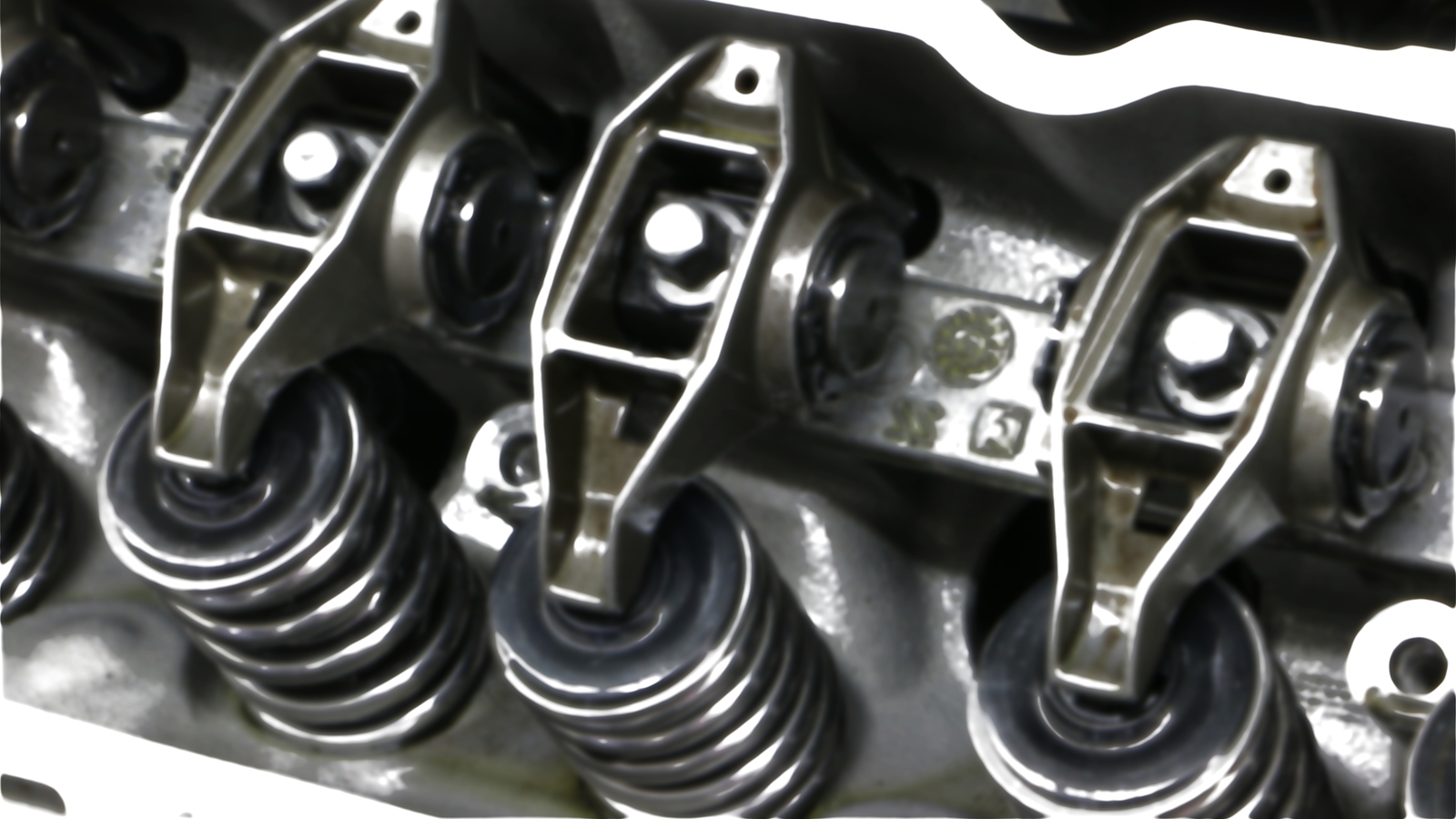
Flat-tappet camshafts are common in many older engines. Despite the name, the lifter face is not necessarily perfectly flat, but the design creates a sliding contact between the cam lobe and lifter rather than the rolling contact used by a roller lifter.
That sliding interface can experience extremely high loads. Valve-spring pressure, performance camshaft profiles and other engine modifications can increase those loads further.
AMSOIL explains that ZDDP is particularly valuable in these high-friction areas because its anti-wear chemistry is activated as temperatures rise, creating a protective layer between the contacting surfaces. This is why flat-tappet cams, lifters, rockers and other highly loaded valvetrain components are commonly associated with high-zinc oils.
Why Was Zinc Reduced in Modern Engine Oils?
Modern engine oils have not simply become worse at protecting engines. Engine design, lubricant chemistry and emissions systems have all evolved together.
The phosphorus associated with ZDDP can negatively affect catalytic converters when lubricant is consumed by the engine and combustion products reach the exhaust system. As emissions-system durability requirements became increasingly important, modern passenger-car oil specifications placed greater controls on phosphorus levels.
At the same time, most newer engines moved away from traditional flat-tappet valvetrains and lubricant formulators developed other additive technologies to meet modern wear, deposit, fuel economy and emissions requirements.
That means a current-specification oil containing less ZDDP than an old performance oil is not automatically providing inadequate wear protection. It has simply been formulated around a different set of engine and emissions-system requirements.
Does Every Classic Car Need High-Zinc Oil?
Not necessarily. Age by itself is not enough to determine the correct oil.
A high-zinc oil becomes particularly relevant when an engine uses a flat-tappet valvetrain, especially where valve-spring pressures or performance modifications increase the load at the cam-and-lifter interface. Engine-builder recommendations should also be taken seriously where modified or rebuilt engines are concerned.
By contrast, an older vehicle with a roller valvetrain or an engine designed around different lubrication requirements may not need unusually high ZDDP levels at all.
Is More Zinc Always Better?
No. Motor oil is a carefully balanced chemical system, not a collection of individual ingredients where increasing one additive automatically improves the finished product.
Anti-wear agents, detergents, dispersants, antioxidants, viscosity modifiers, corrosion inhibitors and other additives all have to work together. The correct oil should therefore be selected around the engine design and operating requirements rather than simply by looking for the highest zinc figure available.
This is also why adding an aftermarket bottle of ZDDP to an otherwise properly formulated oil is not necessarily the same thing as using an engine oil designed from the outset as a high-zinc lubricant.
High Zinc During Engine Break-In
Freshly rebuilt engines create another situation where ZDDP is particularly important, but this should not be confused with choosing an everyday high-zinc street oil.
Proper break-in oil has two jobs that initially appear contradictory: it must allow controlled wear between the piston rings and cylinder walls so the rings can seat correctly, while still providing strong anti-wear protection to highly loaded components such as the camshaft and lifters.
AMSOIL Break-In Oil uses conventional base oils together with high levels of zinc and phosphorus anti-wear additives for this specific purpose. Once the engine has completed the prescribed break-in procedure, it should be changed to the lubricant appropriate for its normal service.
What About Modern Engines?
If a modern vehicle specifies a current API, ILSAC, ACEA or manufacturer-specific engine-oil standard, the safest approach is to use a lubricant that meets the required specification.
Choosing a high-zinc classic or racing oil simply because it appears to offer “more protection” can mean giving up properties the engine manufacturer actually requires, including compatibility with modern emissions systems, fuel-economy characteristics and specific deposit-control performance.
If you are unsure what the letters and numbers on an engine-oil specification mean, our guide to API, ILSAC and ACEA oil standards explains how the major classifications work.
Where Does AMSOIL Z-ROD® Fit?
AMSOIL Z-ROD® 100% Synthetic Motor Oil is specifically designed for classic and high-performance vehicles. Its formulation combines high levels of ZDDP with a synthetic base-oil system and dedicated rust and corrosion inhibitors.
The wear-protection side of the formulation targets flat-tappet cams, lifters, rockers and other highly loaded components. Just as importantly for classic vehicles, Z-ROD is designed to protect internal engine surfaces against rust and corrosion during extended periods of storage.
That second benefit matters because many collector and enthusiast vehicles spend far more time parked than daily-driven cars. Temperature and humidity changes can introduce moisture into an engine, so protecting it while stationary can be just as important as protecting it while running.
Explore AMSOIL Z-ROD®
High-zinc 100% synthetic protection developed specifically for classic, vintage and street-driven performance vehicles.
Discover Z-ROD®Z-ROD, Racing Oil or Break-In Oil?
These products may all contain elevated levels of anti-wear additives, but they are designed for different jobs.
| Product Type | Best Suited To | Primary Purpose |
|---|---|---|
| AMSOIL Z-ROD® | Classic, vintage and street-driven performance vehicles | High-ZDDP wear protection plus rust and corrosion protection during storage |
| AMSOIL DOMINATOR® Racing Oil | Competition and dedicated racing applications | Protection and performance under severe racing conditions |
| AMSOIL Break-In Oil | Freshly built or rebuilt engines during initial break-in | Controlled ring seating while protecting cams and other high-load components |
The Bottom Line
High-zinc oil still has an important place, but it is a specialised solution rather than a universal upgrade.
Engines with flat-tappet camshafts, high valve-spring pressures or certain performance modifications can benefit from the additional anti-wear protection provided by ZDDP. Classic vehicles that spend long periods in storage can also benefit from an oil specifically formulated to combat internal rust and corrosion.
For modern vehicles, however, the manufacturer's required viscosity and oil specification remain the better starting point. The goal is not to find the oil with the most zinc — it is to use the lubricant designed for the engine in front of you.
Oil Information & Technical Guides
Explore our oil knowledge base with practical guides covering oil standards, viscosity, base-oil technology and application-specific specifications.