
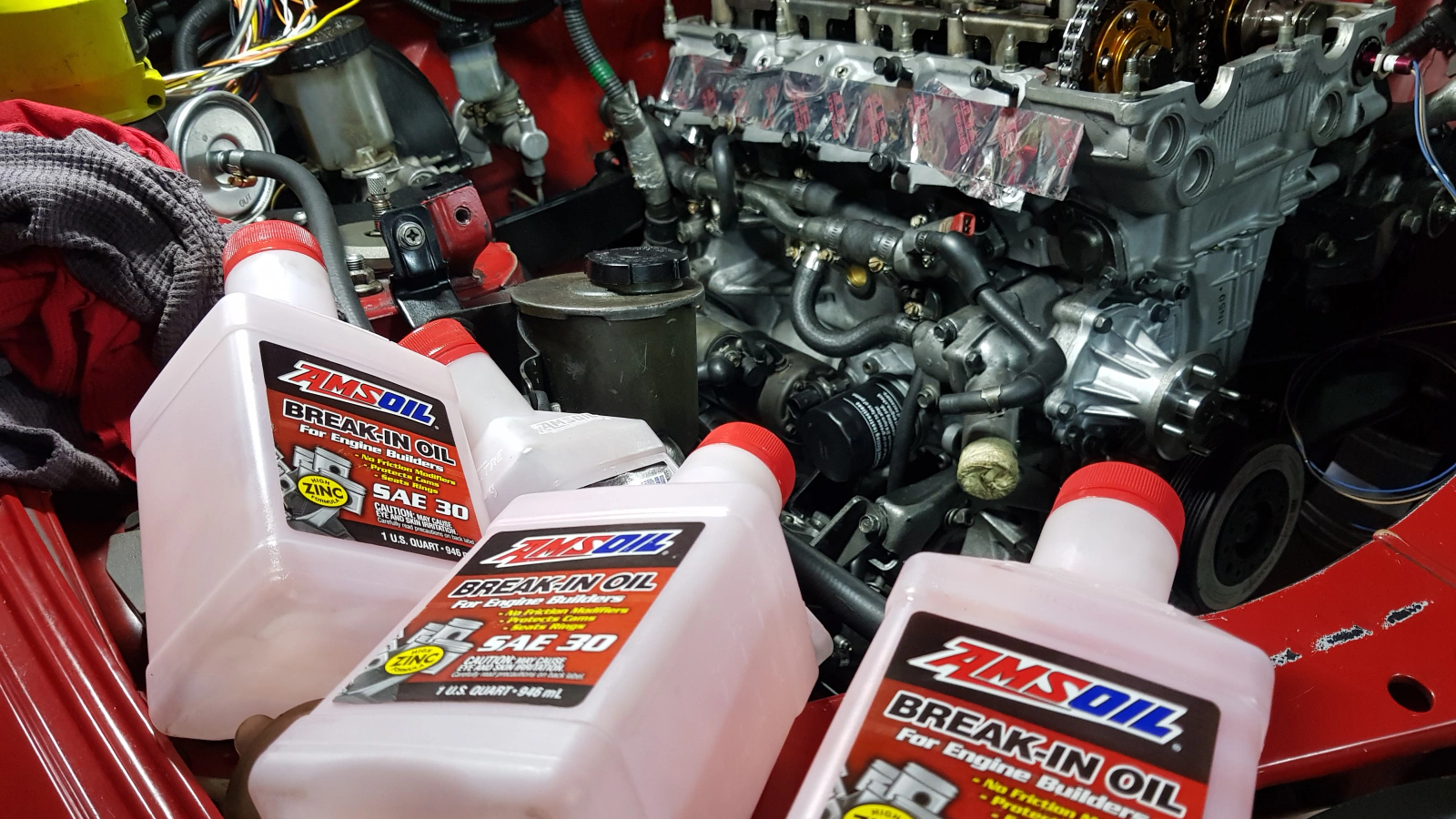
Why Use Break-In Oil in a Freshly Built Engine?
A newly built or rebuilt engine needs something different from its oil during the first hours of operation. Piston rings are still seating against the cylinder walls, fresh components are bedding together and the engine may be subjected to repeated heat cycles, dyno pulls or varying load before normal service begins.
AMSOIL Break-In Oil is formulated specifically for this stage, providing high levels of anti-wear protection while allowing the controlled friction needed for piston rings to seat properly.
Why Not Just Use Ordinary Mineral Oil?
Using a basic mineral oil for engine break-in is a long-standing practice, but the important part of a break-in lubricant is not simply whether the base oil is mineral or synthetic. The additive package, viscosity and intended purpose of the oil are what matter.
A dedicated break-in oil is formulated around the needs of a fresh engine, rather than the long service intervals, deposit control and fuel economy requirements expected from a normal passenger-car engine oil.
Piston-Ring Seating Matters
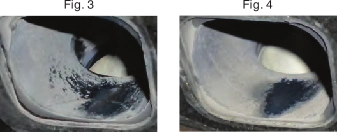
During the initial running period, piston rings need to establish an effective seal against the cylinder walls. This controlled bedding-in process helps the engine achieve good compression, minimise blow-by and control oil consumption once break-in is complete.

Protection During Initial Operation
A fresh engine can experience high loads during its first start, dyno session and early running period. Break-in oil provides anti-wear protection for cams, lifters, bearings and other critical components while the engine begins operating under real load.
It is especially relevant to performance engines, racing engines and rebuilt engines where clearances, materials and operating conditions may differ significantly from a standard production engine.
What About Deposits?
The break-in period is temporary. Once the engine has completed the builder's recommended break-in procedure, the break-in oil should be replaced with the lubricant suited to the finished engine and its intended use.
Follow the Engine Builder's Procedure
There is no single break-in procedure that suits every engine. Follow the recommendations of the engine builder or component manufacturer for initial startup, engine speed, load, dyno operation and oil-change interval.
See the full Performance Engine Build Lubrication Guide for the complete process from storage and assembly through break-in and final oil selection.