
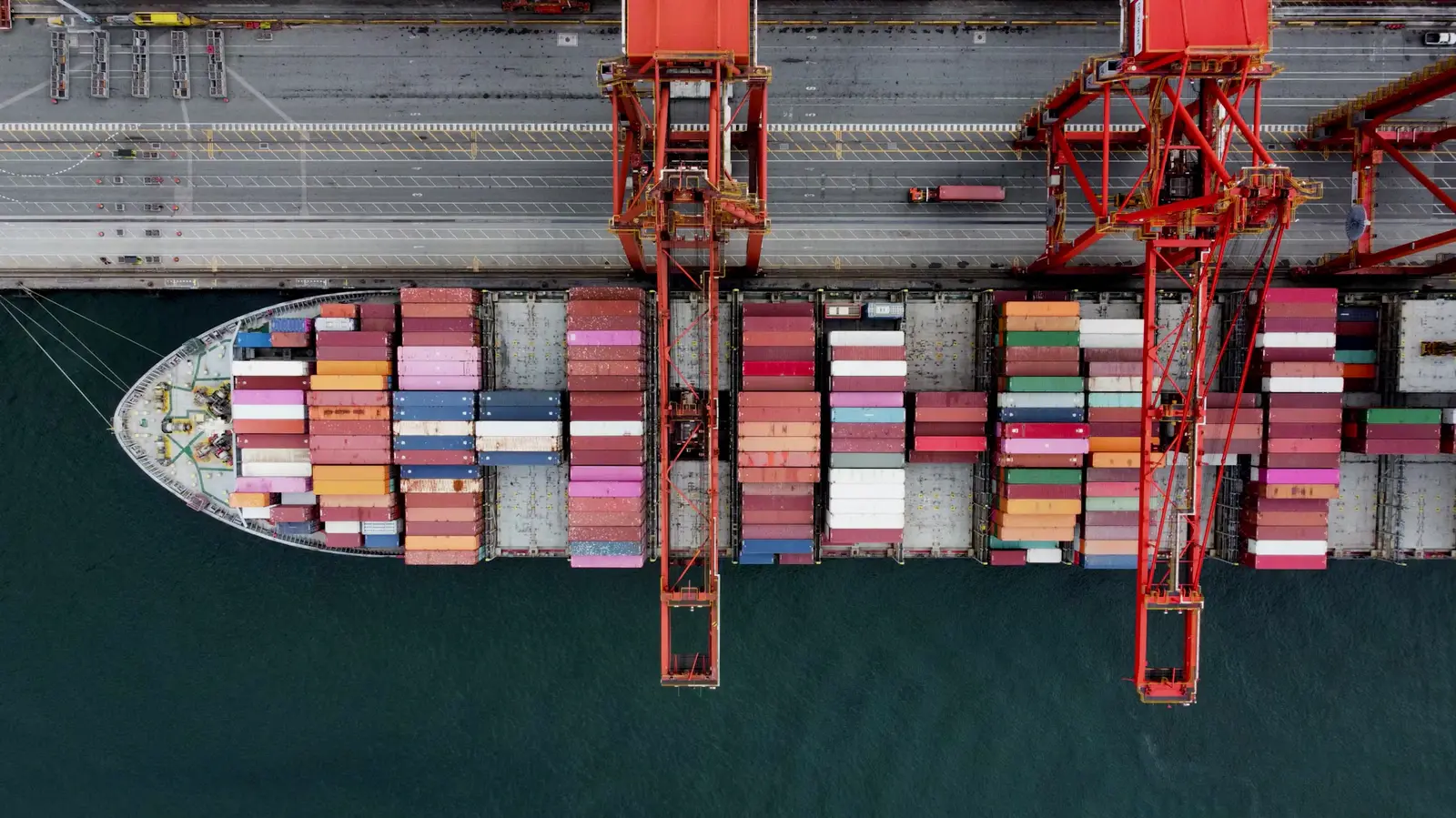
When global energy supplies are disrupted, most attention turns to petrol and diesel prices. But the consequences can extend considerably further, affecting products that receive much less attention — including the lubricants used in cars, trucks, and industrial machinery.
Engine oil is the finished product of an international supply chain. Its base oils, performance additives, packaging, and transport may all depend on suppliers operating in different countries. When one part of that chain is interrupted, the consequences can spread well beyond the original problem.
So how can a disruption thousands of kilometres away change the price, availability, or even formulation of the oil on an Australian workshop shelf?
The Hidden Vulnerability of Just-in-Time Supply Chains
Modern manufacturing and distribution rely on closely coordinated deliveries. Rather than storing enormous quantities of every material, many businesses replenish stock as it is consumed. This approach, commonly associated with just-in-time inventory management, reduces storage costs and frees up working capital.
It can also leave businesses exposed when deliveries stop arriving as expected. Not every company uses a strict just-in-time system, but lean inventories, geographically dispersed suppliers, and reliance on a small number of transport routes can amplify disruptions.
Sometimes the cause is a prolonged conflict or damage to a refinery. Sometimes it is considerably less dramatic.
When One Ship Disrupted Global Trade
In March 2021, the container ship Ever Given (operated by Evergreen Marine) ran aground in the Suez Canal, blocking the waterway for six days. Hundreds of vessels were delayed, while some ships faced the much longer journey around Africa.

Even after the ship was freed, clearing the backlog and restoring shipping schedules took additional time. There was no need for a refinery to fail or a raw material to disappear: goods simply could not reach their destinations when expected.
A short interruption can often be managed with existing inventory. A prolonged interruption to the production of essential materials is harder to absorb, particularly when alternative suppliers are already operating near capacity.
Engine Oil Is More Than Refined Crude Oil
Most engine oils contain two main components: base oils and chemical additives. Base oils form most of the finished lubricant and influence its viscosity, low-temperature behaviour, volatility, and oxidation stability. Additives contribute properties including wear protection, deposit control, corrosion resistance, and the management of contaminants.
These ingredients may come from different manufacturers and different countries. A finished lubricant may contain several base stocks and a complex additive package, all selected to work together.
Consequently, a disruption does not need to affect crude-oil production directly to cause problems for lubricant manufacturers. Limited availability of a particular base stock or additive component can complicate production even when plenty of other oil remains on the market.
What Happened to Global Base Oil Supplies in 2026?
The Middle East conflict in 2026 exposed several vulnerabilities at once: production interruptions, uncertainty over raw-material availability, and disruption to shipping routes.
In March, Shell confirmed damage to one of the two processing trains at its Pearl gas-to-liquids (GTL) facility in Qatar. Pearl manufactures products from natural gas, including high-quality lubricant base oils. The interruption tightened an already important source of GTL-derived base stocks.
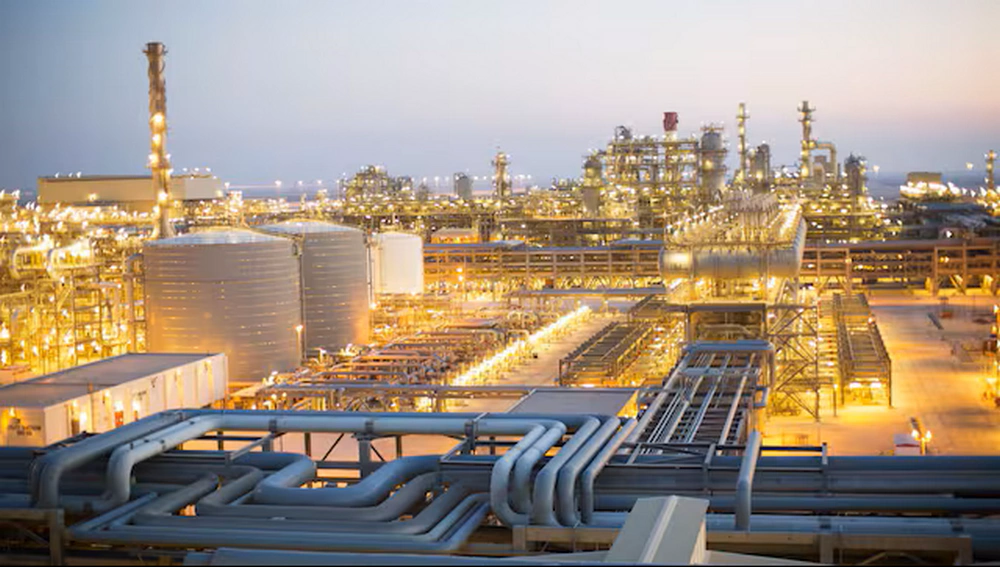
Manufacturers affected by reduced supply may seek alternative materials, increasing pressure on suppliers elsewhere. And when production and shipping are both constrained, changing the source of a base oil is not necessarily a quick solution.
Why Can't Manufacturers Simply Use a Different Base Oil?
At first glance, replacing an unavailable base oil might seem straightforward. If two base stocks have similar viscosities, why not substitute one for the other?
Because viscosity is only part of the equation. Base stocks can differ in volatility, oxidation stability, low-temperature properties, chemical composition, additive solubility, and interactions with seals.
Consider API Group III and Group IV base oils. Group III base stocks are highly processed materials; Group IV refers to polyalphaolefins (PAOs) made by chemical synthesis. Both can be used to formulate excellent synthetic lubricants, but their properties are not identical. Group I base stocks, meanwhile, remain important in many industrial lubricant and grease applications.
The base-oil group is not a quality ranking, and a lubricant is not simply a collection of ingredients with matching viscosities. A substitution must be evaluated as part of the complete formulation.
Can Supply Shortages Force Oil Formulations to Change?
They can, although a change of raw-material supplier does not automatically mean a reduction in finished-oil performance.
Manufacturers may qualify alternative base stocks, adjust the proportions of existing ingredients, or revise a formulation. Re-refined base oils can also be considered where their quality and performance are suitable.
But modern lubricants are developed to meet demanding industry standards and, in many cases, particular vehicle or equipment manufacturer requirements. Changing ingredients may require laboratory assessment, performance testing, and consideration of existing approvals.
Some base-oil interchange rules provide a framework for particular substitutions. They are not permission to treat all base stocks as interchangeable.
Why Can Oil Prices Keep Rising After the Disruption?
Supply disruptions affect costs in several ways. Scarce raw materials may become more expensive, alternative feedstocks may cost more, and transport can become slower or less predictable. Manufacturers may also incur expenses when qualifying alternative ingredients.
The effects reach retailers with a delay. Businesses may initially sell inventory purchased before costs increased; later shipments reflect higher replacement costs. Conversely, prices may remain elevated after supply improves if distributors are still holding inventory purchased during the shortage.
That is why engine-oil prices do not necessarily rise or fall in step with the daily price of crude oil.
Why Is Australia Particularly Exposed?
Australian lubricant supply is connected to international markets, whether a finished product is imported or blended and packaged locally using materials sourced from overseas.
A lubricant does not have to originate in the Middle East to be affected by a disruption there. If manufacturers in several countries turn to the same alternative supplier, competition for that supplier's output can influence prices and availability much further afield.
Australian businesses can then encounter higher costs, longer replenishment times, shortages of particular grades, or interruptions to familiar packaging sizes. The impact varies by product, formulation, and supply arrangement.
What Happens When Lubricant Shortages Reach Other Industries?
For a motorist, a shortage might mean paying more for an oil change or finding a suitable alternative product. For a business operating heavy machinery, the consequences can be much more serious.
Mining, agriculture, manufacturing, construction, and freight operations depend on hydraulic fluids, industrial gear oils, compressor oils, greases, and engine oils. A shortage of the ingredients used to make these products can delay maintenance and complicate equipment operation.
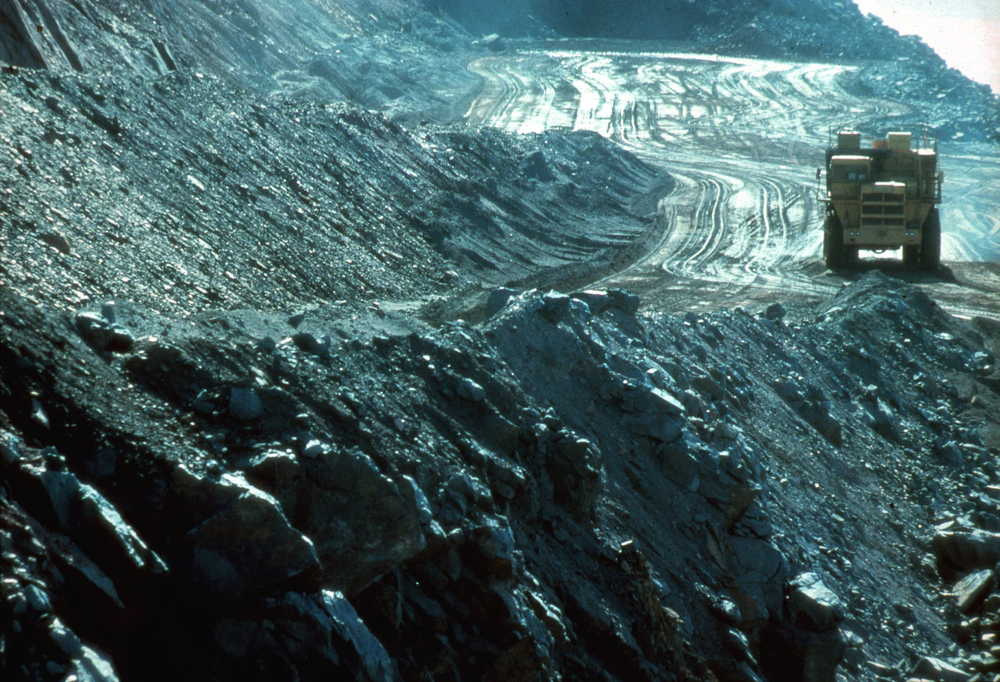
In July 2026, Australian manufacturer Harrison Manufacturing, a supplier to the mining industry, warned that base-oil shortages could affect lubricant availability for heavy industry. The company reported that a shipment of Group I base oil had been delayed and would not supply the full quantity ordered.
That was a warning about a potential downstream shortage, not evidence that Australian mines had already shut down because of a lack of grease. Nevertheless, it illustrates how a problem with a relatively obscure ingredient can become a concern for an entirely different industry.
When a machine cannot be serviced with a suitable lubricant, a business may need to source an approved alternative, revise its maintenance plan, or risk downtime. For some operations, the cost of lost production can dwarf the cost of the lubricant itself.
Does This Mean Engine Oil Quality Is Declining?
Not necessarily. A change in base-oil source or formulation is not automatically a reduction in quality, just as an unchanged label does not guarantee that every ingredient has stayed the same.
Lubricant formulations are routinely updated to meet new performance standards and equipment requirements. Supply-related substitutions add constraints, but they can still produce a finished lubricant that meets the required specifications.
The distinction is between a change in ingredients and a change in demonstrated performance. For customers, the relevant standards, manufacturer approvals where required, and suitability for the intended application matter more than assumptions about the origin of an individual ingredient.
What Should Vehicle Owners, Workshops, and Fleet Operators Do?
Most vehicle owners do not need to stockpile oil whenever an overseas supply problem makes the news. The practical response is to choose a product meeting their vehicle's requirements and recognise that availability and pricing may sometimes change for reasons far removed from the local market.
Workshops and fleet operators with significant lubricant consumption can take a more proactive approach: review the grades they use most, discuss likely availability with suppliers, and identify technically suitable alternatives before an urgent shortage develops.
Substitution should never be based on viscosity grade alone. Equipment specifications, required approvals, additive chemistry, and application conditions still matter. Extending service intervals merely to stretch available stock is not a substitute for appropriate maintenance guidance or condition monitoring.
The Bigger Picture
Modern supply chains make it possible to manufacture highly specialised lubricants and distribute them around the world. But they depend on an extraordinary number of independent systems continuing to function.
Sometimes the disruption is a war, a refinery shutdown, or a shortage of essential chemicals.
Sometimes it is simply a container ship stuck sideways in a canal.
Whatever the cause, the consequences can eventually reach an Australian workshop, factory, or mine — sometimes long after the original event has disappeared from the headlines.